
Taking care of a western trail saddle keeps it comfortable, safe, and looking sharp whether you ride every weekend or only on special occasions. Saddles aren’t cheap, and even basic maintenance can really stretch out the years you’ll enjoy yours.
I’ll walk through everything I do to protect both leather and synthetic western saddles, how to choose your cleaning products, mistakes to skip, and how often to make saddle care part of your routine.
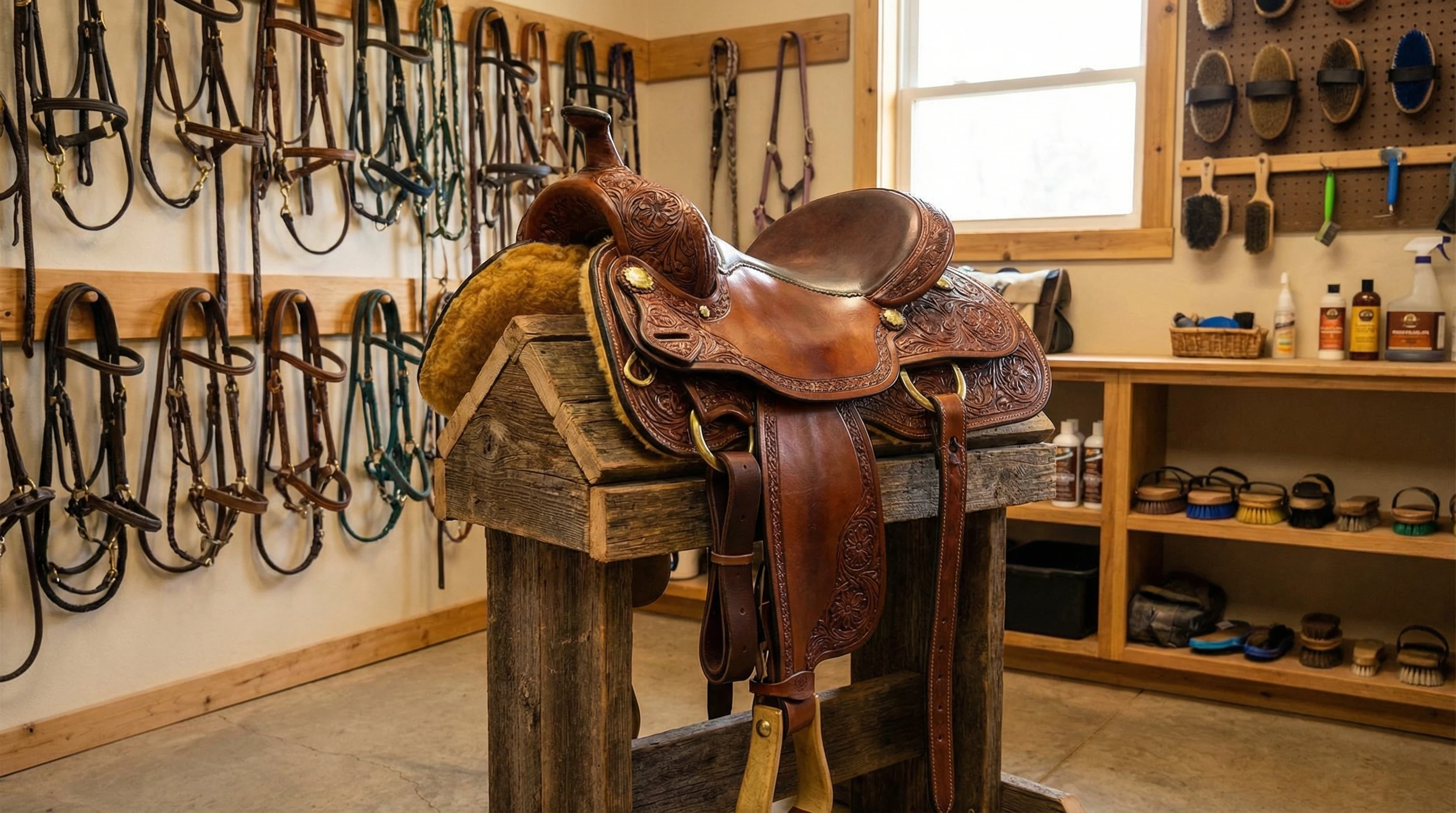
Why Regular Saddle Maintenance Matters
Regular saddle upkeep goes beyond just appearances. A clean, well-oiled saddle reduces the risk of cracked leather, warped fenders, and rough spots that can turn a trail ride uncomfortable (for both you and your horse).
For synthetic saddles, routine care helps prevent color fading, wrinkles, and broken hardware. Saddle neglect can add up to hundreds in repairs or premature replacement. That’s something I definitely want to avoid.
Whether your saddle is a prized custom job or a handy workhorse, proper maintenance ensures everything from stirrup leathers to cinch straps are in top shape. And don’t forget the bonus: a good-looking saddle can give your riding confidence a subtle boost.
Caring For Western Leather Trail Saddles
Leather saddles bring classic style and comfort but need more attention than synthetics. Here’s how I keep my expensive leather gear looking its best:
- Dust Off After Every Ride: I use a soft brush or dry cloth to remove dust, sweat, and loose dirt before it settles in. Skipping this step lets grit work like sandpaper on the finish.
- Deep Clean on a Schedule: I do a more thorough clean about once a month, or after especially sweaty or muddy rides. For this, I start by removing all detachable parts (like stirrups and cinches) to get at every nook.
- Use a Leather Cleaner: I choose saddle soap or a cleaner made specifically for western tack. I work up a light lather with a damp (not soaking) sponge and wipe every surface, especially where dirt collects around tooling and seams.
- Condition Carefully: Once the leather is dry but still supple, I apply a leather conditioner or oil. Less is more; too much product can clog pores and over-soften the leather. I rub it in with my hands using a little pressure, focusing on high-movement areas like fenders and seat jockeys.
- Let It Breathe: After cleaning and conditioning, I set the saddle somewhere with airflow (not in direct sun or near a heater) to let it dry slowly. Covering it with a cotton towel or a breathable saddle cover helps keep dust away.
Popping into the habit of regular cleaning has saved me quite a bit on repairs over the years. For more tips on leather tack maintenance, I find this guide from Horse&Rider pretty handy.
How To Take Care of Western Synthetic Saddles
Synthetic western saddles have gained fans for their light weight and easy care. While they need less fuss than leather, a little attention still goes a long way. Here’s what I do:
- Rinse and Wipe: After dusty or muddy rides, I wipe the surface with a damp cloth. Occasionally, I’ll use a gentle solution of mild soap and water on stubborn spots. I avoid soaking the saddle, since water inside the padding or tree can cause problems later.
- Brush Hardware: Synthetic saddles usually have metal or plastic fittings that can trap dirt. I use a softbristled toothbrush to get these clean.
- Dry Thoroughly: After cleaning, I always let the saddle dry in a cool, shaded spot. Direct sun can fade colors and dry out synthetic fibers, leaving everything looking older before its time.
- Check Stitching and Rivets: I always check for loose threads, popped rivets, or bent Drings each time I clean. Keeping up with little repairs keeps something small from turning into a big headache.
Many synthetic western saddles tolerate quick hosedowns, but I always check the manufacturer’s care instructions first. Some brands have coatings that react badly to strong detergents or high heat.
How Often Should You Clean Your Western Trail Saddle?
The right cleaning schedule mostly depends on how often and where you ride. Here’s a general rule I follow:
- After Every Ride: Quick wipedown to get rid of dust, sweat, and moisture. Especially important after long or rainy rides.
- Monthly (or Biweekly for Hard Use): Full clean for anyone riding more than once a week, showing, or putting a lot of miles on the trail.
- Seasonally: Full breakdown and deep inspection. Check all straps for wear, look for hidden mildew, and make sure hardware is tight.
Riders in wet or humid climates might need to clean more often to prevent mold. Dry regions mean dust is the enemy. Either way, sticking to a routine helps spot problems before they cause bigger trouble.
If you find yourself unsure about the proper frequency, it can be helpful to check with experienced riders or riding instructors for tips. They often have great advice for matching your cleaning schedule with your local environment so your saddle lasts longer.
Which Chemicals And Products Are Safe For Cleaning Western Saddles?
Not all cleaning products work well for saddles. Using the right chemical makes a big difference in how your tack holds up. Here’s what’s worked for me so far:
- Leather Cleaner or Saddle Soap: Any product labeled for leather tack is usually a safe bet. Glycerin soap bars and foam saddle cleaners get out grime without stripping oils.
- Leather Conditioner: Choose a conditioner free from harsh solvents and excessive waxes. I like using lanolinbased products or neatsfoot oil, but only in small amounts to avoid residue.
- Mild Soap (for Synthetics): Just a drop of dish soap in water can help spotclean synthetic saddles. Avoid strong detergents, bleach, or ammonia products.
- Distilled Water: Tap water can leave mineral spots, so I use distilled for final rinses, especially on dark leather.
Avoid anything labeled “allpurpose cleaner” or anything with alcohol, as these can dry and weaken both leather and synthetic materials. If the cleaner leaves a sticky or slick residue, I switch to something else.
For an updated list of safe saddle cleaning options, I browse forums like Chronicle of the Horse before I buy a new product.
What To Avoid When Cleaning Western Trail Saddles
Some cleaning habits can do more harm than good. Here’s what I watch out for every time:
- Too Much Water: Soaking leather leads to warping, mildew, and loose stitching. I always use a damp, not dripping, cloth for cleaning. Water running down inside the tree of synthetic saddles can cause damage as well.
- Rough Scrubbing: Brushing hard with stiff bristles or using scouring pads creates scratches or weakens the finish, especially on tooled or smooth leather.
- Harsh Chemicals: Bleach, ammonia, acetone, and alcoholbased sprays are too aggressive and strip oils or damage coatings on both types of saddles.
- Direct Sun or Heater Drying: Air drying is best. Placing a wet saddle in the sun or near a heat source can dry it out unevenly and cause cracking.
- Skipping Inspections: Focusing only on the surface means I might miss hidden issues. Split billets, stretched holes, or corroded hardware can be overlooked, so I always poke around under the saddle skirts and fenders during each clean to catch these trouble spots.
These are all pretty easy to avoid with a bit of mindfulness. If in doubt, gentle is always safer and I start with the least amount of product first. Always take your time while cleaning and don’t be afraid to ask a local saddle expert if you’re worried about something unfamiliar.
Advanced Tips For Western Saddle Care
Some extra steps can raise your saddle care game. Here’s what I’ve found helpful:
- Cedar or Lavender Bags: Hanging these in your tack room naturally repel moths and keep things smelling fresh. If your area is especially prone to pests, you can rotate the scent bags to keep the fragrance strong.
- Rotate Saddle Pads: A clean, dry pad protects the underside and keeps sweat from soaking into the saddle. Keeping a few in rotation also lets one pad air out and dry between uses, which is better for both your horse and your tack.
- Regular Oiling of Moving Parts: Leather latigos, billets, and fenders appreciate an occasional spot oil, especially after a rainy ride. Pay special attention to anything that flexes a lot, as dryness here can cause early wear.
- Keep Tack Covered: Using a breathable saddle cover between rides helps shield your gear from dust and sunlight. I like to invest in a cover that fits well, so there’s less worry about dust sneaking in.
- Condition Your Routine: Some folks add a hydration check; if the leather feels dry to the touch or lighter than normal, it’s time for conditioner, no matter how recently it was cleaned. This habit can keep leather strong even in drier climates.
Every barn has a few homegrown saddle care tricks, so it’s worth swapping ideas with other riders now and then. For those who want a deeper look at western saddle upkeep, the American Association of Professional Farriers lists great links and resources on their official site.
If you’re hoping to find out more about leather care, consider joining a few riding forums—there’s a ton of practical knowledge from folks with years of experience.
Frequently Asked Questions
How do I know if my leather saddle needs cleaning?
Your leather will start to look dry, change color in highwear areas, or simply pick up dust and sweat. If it squeaks loudly during a ride, that’s often a sign it’s due for a wipe and a bit of conditioner.
With regular use, it’s normal for saddles to build up grime—just keep an eye out for signs that it needs attention so you stay ahead of potential problems.
What’s the best way to store my trail saddle?
I use a solid saddle stand in a cool, dry tack room. I stay away from damp basements or hot garages and crack a window or fan for airflow if needed. It helps prevent mold, wrinkling, and sun fading.
You might also consider a saddle rack designed to support the tree evenly, so your saddle keeps its shape over the years.
Can I use leather cleaner on a synthetic saddle?
Leather cleaners aren’t made for synthetics. I stick to mild soap and water for synthetic gear and only use products labeled for synthetics if I’m ever unsure. If the manufacturer’s tag is still attached, give it a look before trying something new.
What should I do if my saddle gets soaked in the rain?
I let it dry at room temperature in an airy space, avoiding the temptation to speed things up with heat. When it’s dry, I check for any cracks or damage, then apply conditioner (for leather) or check stitching and hardware (for synthetics).
It’s wise to clean and condition as soon as it dries out so you keep the leather healthy and the hardware in top shape.