
Long-distance trail riding asks a lot from both horse and rider, and choosing the right saddle is one of the most important decisions I make for endurance events. That’s because comfort, weight, and fit all play a major role in the wellbeing of my horse over hours (and sometimes days) on the trail.
I’ve seen many folks struggle with saddle choices, but narrowing down my priorities and knowing which features matter most makes everything smoother. In this guide, I’ll break down what I focus on when picking a lightweight saddle for endurance riding and offer tips gathered from experience and fellow riders.
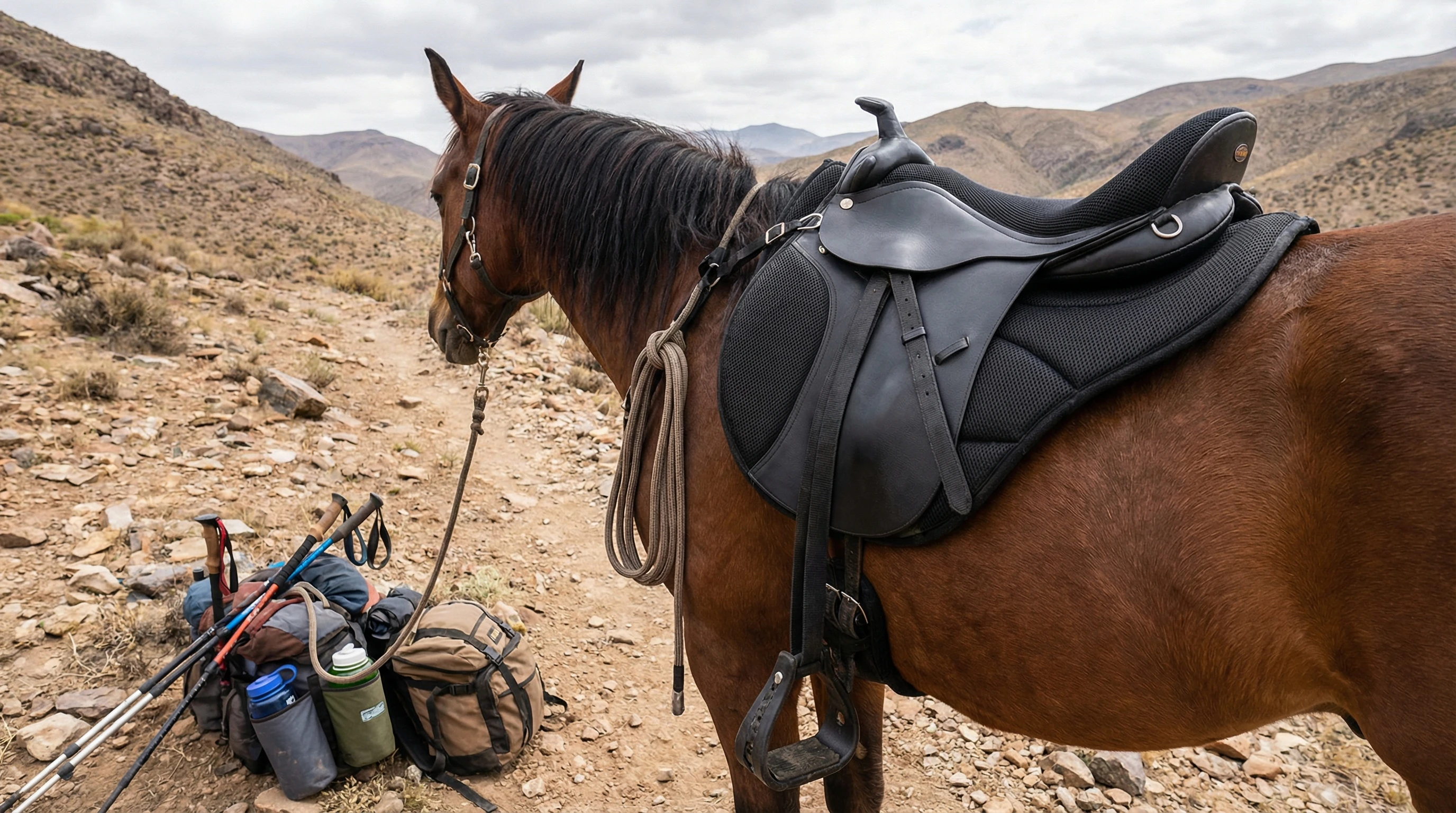
Key Challenges of Endurance Riding
Endurance riding isn’t just about racking up the miles. It’s about managing energy for both me and my horse and staying comfortable through varying weather and all kinds of terrain.
My saddle needs to help my ride, not make it harder. Here are a few challenges I always encounter out on the trail:
- Long hours in the saddle: Endurance rides often last six hours or more. Soreness for me or my horse could end the fun early.
- Weight counts: Every pound shows up over distance. A heavy saddle tires my horse quickly, and that can be a real setback on a 50- or 100-mile adventure.
- Changing terrain: I ride over rocky paths, loose sand, muddy tracks, and everything in between. My saddle needs a secure fit and reliable stability through it all.
- Weather exposure: Sunshine, rain, and sweat all take their toll. I want a saddle that stands up to the elements and is built to last.
- Horse health: Pressure points and bad fit lead to soreness or long-term back pain, which is the last thing I want.
The Edge of Choosing a Lightweight Saddle
A lighter saddle really does make a difference. My horse hauls me and everything I bring along, so trimming the saddle weight helps keep them feeling fresh for longer. Here’s why I believe it matters:
- Less fatigue for my horse: Dropping even a few pounds lets my horse funnel their energy into moving forward, not just carrying gear.
- Easy handling: Hoisting my saddle on and off my horse or into the trailer is much simpler with lightweight models—especially after a big ride.
- Extra performance: Lighter overall weight often gives me a smoother, swifter ride, noticeably during the home stretch of tough rides.
- Simpler care: Packing up and cleaning are a breeze when there’s not a ton of extra weight.
Finding Comfort for My Horse
Horse comfort stays at the top of my list.
It’s not just about being light—an awkward lightweight saddle with poor design can cause pressure points and rubbing if the fit isn’t spot on. Here’s how I work to keep my horse comfy mile after mile:
- Flexible tree or treeless styles: Many lightweight saddles are built with flexible trees or use a treeless approach. When fitted right, these adapt well to my horse’s back shape.
- Padded for the long haul: High-density foam or wool flocking spreads my weight and absorbs trail bumps. This cushioning is crucial for a happy horse.
- Wide panels: Broader panels disperse pressure, keeping my horse free from soreness and rubs.
- Shoulder and spine freedom: Good designs offer room for movement so my horse’s shoulders and back work naturally, especially uphill or on uneven trails.
If my horse starts showing stiffness or balkiness during saddling, it’s a clear indication I might need to rethink my setup. Sometimes, swapping with friends or asking a pro can bring fresh solutions to stubborn fit problems.
Features to Track Down in a Great Endurance Saddle
Lightweight endurance saddles now benefit from clever engineering and new materials, giving the right mix of comfort, strength, and low weight. Here are some stand-out features I check for:
- Synthetic materials: Many brands go for synthetic leather or performance fabrics, which are light, waterproof, and an absolute breeze to clean. Leather fans swear by its durability but it’s noticeably heavier and takes more care.
- Adjustable rigging: With options to set up girths and billets just the way I want, adjustable rigging means I can balance my saddle to suit my horse’s build and my riding style.
- Lots of attachment points: Multiple D-rings and straps let me secure water, snacks, first-aid, and more, all while keeping weight even and gear handy.
- Streamlined design: Less bulk translates to easier movement for mounting, dismounting, and those quick jumps off for gate openings. Wide stirrup leathers help with knee comfort for long periods standing in the stirrups.
- Ventilated panels: A few designs add airflow cutouts or breathable material, helping sweat dry faster and keeping my horse’s back cooler in the heat.
Getting the Right Fit for Horse and Rider
No amount of high-tech features can make up for a bad fit. Before committing, I run the saddle through a short ride or loop, since a test fitting saves a world of trouble later. My fitting routine includes:
- Horse fit comes first: Placing the saddle just behind the withers, I want even contact with no rocking or bridges. Any pinching or odd hair patterns after a ride gets my attention.
- Proper rider fit: My seat size and stirrup setup should feel right at home, keeping me balanced and in sync with my horse. If I notice discomfort or poor balance, I adjust before riding out longer.
- Test ride before buying: Demo programs from saddle shops or at endurance events are a smart way to vet my options.
- Get another opinion: If I struggle, a saddle fitter’s expert eye can save time and headaches by spotting what I might miss.
Riders’ Common Questions About Lightweight Saddles
With so many saddle choices, questions pile up. Here are a few that come up all the time:
What’s the usual weight for a lightweight endurance saddle?
Most lightweight endurance saddles range from about 10 to 20 pounds (4.5 to 9 kg), depending on the materials and add-ons. Classic leather versions often tip the scales at 25 to 35 pounds (11 to 16 kg).
Are synthetics truly tough enough?
Modern synthetic materials have come a long way. They resist water, sweat, and grime, often better than leather, and they’re lighter and faster to clean. While they may not match the longevity of premium leather, they don’t stretch or mildew as easily, making them a solid everyday option.
Does a lighter saddle change how I ride?
Lighter saddles usually let me move more freely with my horse and stay responsive to the trail. On the flip side, minimalist models may lack depth or extra security, so I’m careful to match my confidence and the terrain with my saddle choice.
Can these saddles work for other types of riding?
Some do, especially if they have a bit of a crossover design. Still, endurance saddles lean toward all-day comfort, not show ring precision. If I know I’ll jump or do ring work, I check if the saddle style fits those needs, too.
Smart Shopping and Saddle Testing Tips
The endurance saddle market is packed with options and promises of next-level cool design and comfort. A little bit of research pays off big when it’s time for your own purchase. Here’s what works for me:
- Measure your horse: Get solid measurements—back length, wither shape, and how they’re built overall.
- Look for returns and demos: Make sure you can test the saddle at home or on the trail, and that you can return it if it’s not a fit.
- Consider used options: Plenty of lightly used saddles offer major savings with just a season or two of use.
- Tap into real experience: Ask seasoned endurance riders—at events, in local clubs, or online—for firsthand feedback. Honest stories go a long way.
Lightweight Saddles Out on the Trail
I’ve field-tested both brand new and well-ridden lightweight saddles over dozens of events. In a 50-mile ride, my treeless synthetic model noticeably left my horse fresher and less worn out, but skipping a thorough panel fit check once led to a minor rub.
It’s clear—fit is every bit as critical as weight. Friends and fellow competitors often echo this: make sure the saddle suits both you and your horse before worrying about the latest tech.
Lightweight endurance saddles make all-day rides more fun for both horse and rider. They let us push farther, recover quicker, and enjoy every mile without fighting excess bulk.
When I pay careful attention to both comfort and fit, my horse stays happier and healthier, and our rides just get better with each adventure.
I hope this post helped! Feel free to share your thoughts or questions below. You might also enjoy my post on the different types of endurance riding.