
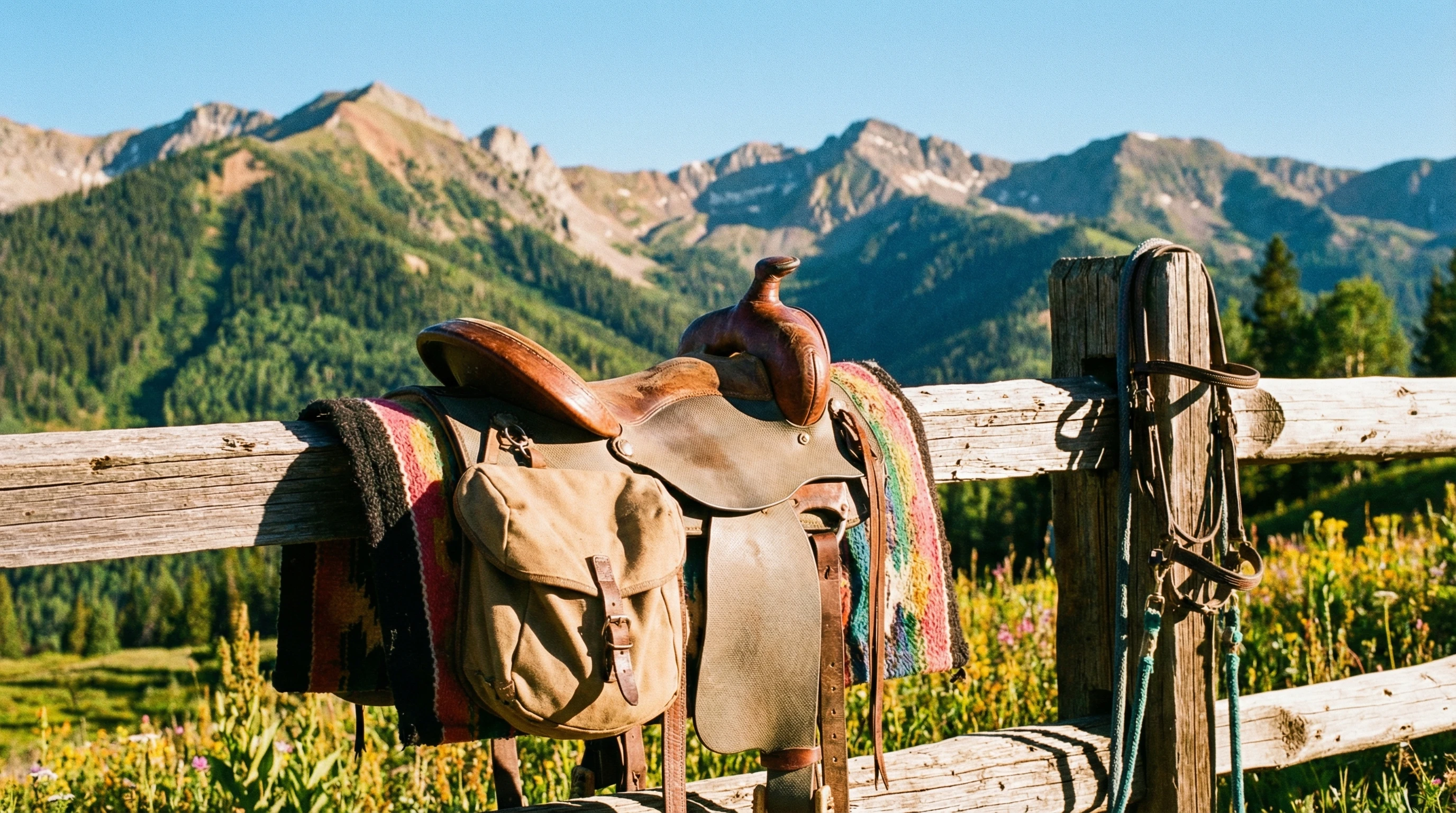
If you’re into trail riding, especially on steep and rugged paths, having the right saddle can make or break your ride. For me, switching to a lightweight trail saddle was a game changer on hilly terrain.
The right saddle helps your horse move more freely, lightens their load (literally), and keeps both of you comfortable during long, challenging hours out on the trail. Here’s everything you need to know if you’re considering lightweight saddles for tackling steep terrain, from choosing a model to essential tips for safe, enjoyable rides.
Why Lightweight Saddles Make a Difference On Steep Trails
Traditional saddles can get pretty heavy, sometimes weighing 30 pounds or more. That extra weight quickly adds up when you’re climbing steep hills or maneuvering down sharp inclines.
Lightweight saddles, usually made from synthetic materials or pared down leather designs, can shave off 10 pounds or more. That doesn’t just benefit your horse. It makes tacking up and carrying your saddle a whole lot easier for you as well.
On steep terrain, every pound counts.
A lighter saddle means your horse exerts less effort on those tough ascents and descents, which can help them stay fresh and responsive over longer distances. It also causes less fatigue and reduces the chances of soreness that can cut your ride short.
If you regularly find yourself on long, challenging trails, the savings in weight can make your rides both safer and more enjoyable.
The Lowdown on Riding Uphill and Downhill
Riding Uphill
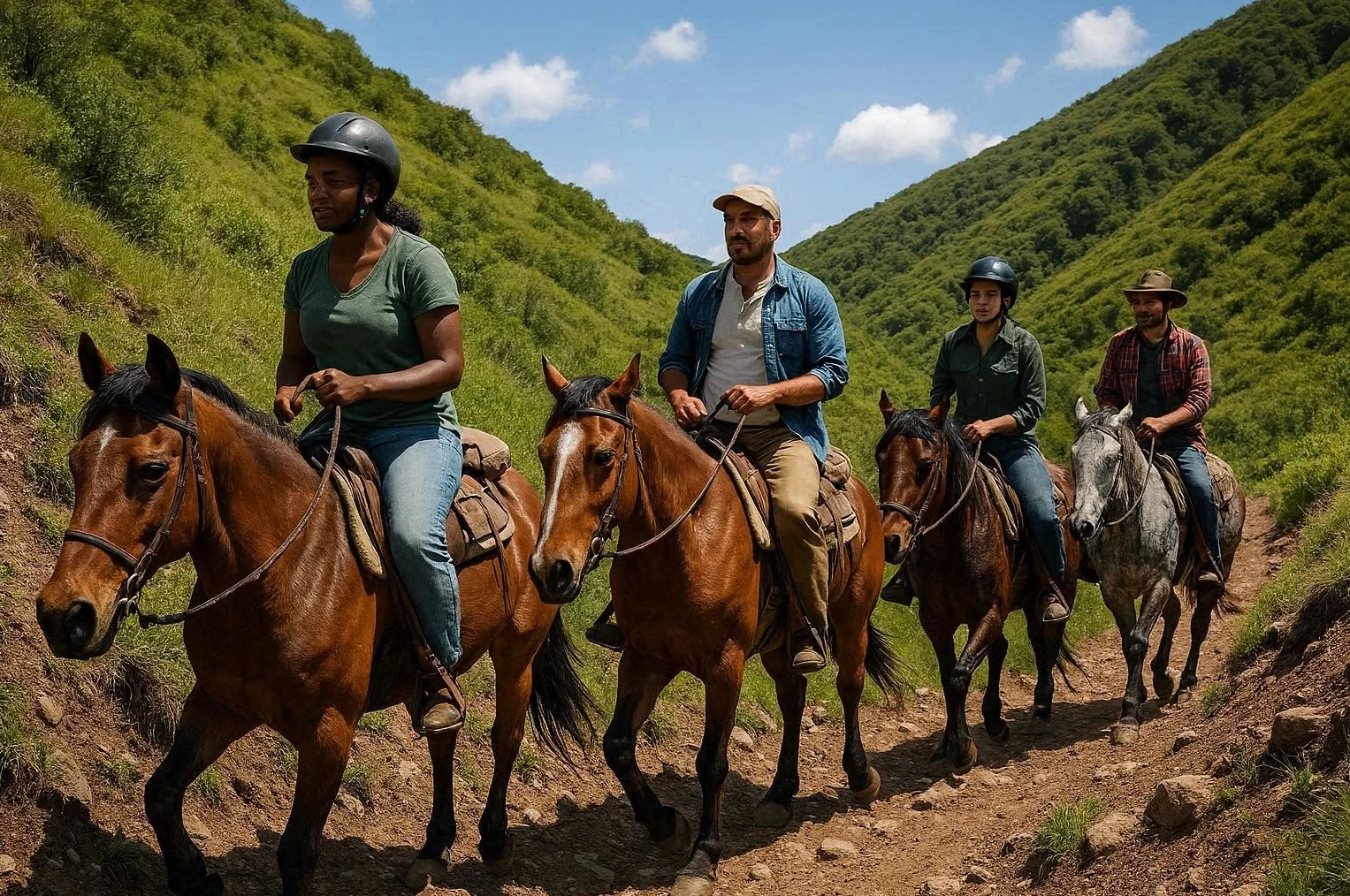
Riding uphill is all about helping your horse keep their balance and breathe easy. When I hit a steep ascent, I shift my weight forward and stay close to the saddle to keep my balance centered.
The goal here is to lean forward just enough that your weight helps, not hinders, your horse as they work their way up. A lightweight saddle helps by not putting extra pressure on your horse’s back, so they can use their muscles more efficiently.
It also helps to give your horse room to stretch their neck and head to maintain momentum. Keeping the saddle light means every step uphill feels just a bit easier for your horse, especially over miles of variable ground.
Sometimes, I let my horse pause and catch their breath, making sure not to push them too hard, especially if the weather is hot or the climb is particularly long.
Riding Downhill
For descents, I always move my rear slightly out of the saddle and shift weight back over the horse’s hips. This takes pressure off your horse’s shoulders and helps prevent them from stumbling.
Lightweight saddles are handy for this too, because the horse isn’t dealing with excess weight sliding forward, which allows for more natural, safe movement. I always make sure my breast collar is snug but not restrictive.
It is super important for keeping a lighter saddle from slipping forward on steep hills.
Key Tips For Trail Riding on Steep Terrain
- Go slow, even if it’s tempting to pick up the pace. Horses are more likely to lose their footing on steep ground if you hurry.
- Watch your horse’s breathing and energy level. Short breaks going uphill help prevent overheating or fatigue, especially on hot days.
- Stand up in your stirrups briefly to let your horse stretch their back. That helps relieve pressure during particularly tough climbs or descents.
- Pay attention to saddle fit before starting out. A lightweight saddle that doesn’t fit will slide more than a heavier model, especially on rocky or slick slopes.
Another tip is to check your tack for tightness and wear before you even get started. Lightweight materials can sometimes show wear more quickly, so giving everything a once over will add a bit more peace of mind before you face challenging terrain.
How To Find Your Way Through Unsafe Or Tricky Terrain
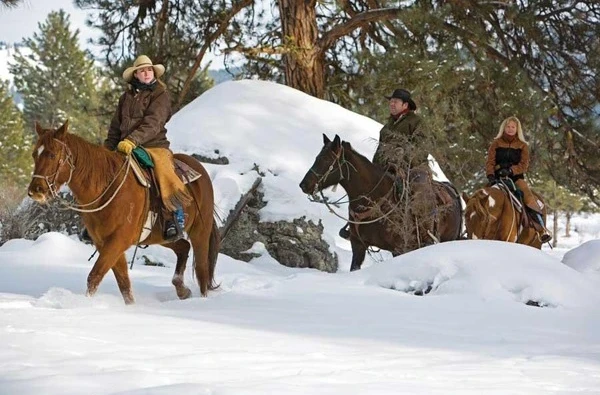
Trails on steep terrain can throw some surprises your way, like loose rocks, slick mud, snow, or roots. I always keep an eye a few steps ahead so I’m ready to steer my horse around hazards before we’re right on top of them.
Picking a path where your horse can get good footing matters a lot for safety.
Lightweight saddles help in these situations because they don’t shift weight awkwardly if your horse stumbles or needs to correct their step quickly. If a section looks bad, I’m not above getting off and leading my horse through.
Safety first, always. Trust your instincts and don’t be afraid to slow down or pause if you’re not sure what’s ahead.
Understanding Your Horse’s Carrying Capacity
Every horse has a safe weight limit for what they can carry comfortably. This usually falls between 15 and 20% of their body weight, including rider and gear. Lightening your load with a slimmed down saddle lets you carry a bit more water, snacks, or emergency items for those longer rides.
This is extra important on steep trails where the extra effort wears on your horse quickly. A lighter setup helps them stay in better condition over time, with less risk of soreness or overuse injuries.
For longer or multi day rides, the benefit of every pound saved shows up at the end of the day in your horse’s energy and mood.
How Steep Is Too Steep? Recognizing Safe Riding Grades
Most horses can comfortably manage slopes up to about 15 to 20%, which feels steep but doable if you and your horse are in good shape. Anything above that feels almost like hiking straight up.
So it’s worth assessing every slope before committing. If the ground is super loose or there’s unstable footing, I’ll avoid those altogether.
Even lighter saddles can’t help with really unsafe trails.
Some technical mountain trails go steeper, but that takes serious experience, a horse in peak condition, and careful planning. When in doubt, it’s always better to walk your horse through the roughest sections, using your own judgment to figure out when it’s just too much.
Keeping an eye out for slippery spots and loose debris can keep you both safer and less stressed.
Best Lightweight Trail Saddle Brands for Riding Steep Terrains
- Fabtron: Famous for their synthetic and leather blend saddles, Fabtron’s designs are consistently praised for being tough, light, and comfortable for long hours. Worth checking out if you do a lot of hilly riding.
- Tucker Saddles: Known for great seat comfort and plenty of lightweight trail models. Their saddles tend to have a good reputation for durability and balanced fit across different horse builds.
- Wintec: Specializes in fully synthetic saddles that are seriously light, easy to clean, and often come with adjustable gullet systems to fine tune fit, especially helpful for tricky terrain.
- Circle Y: Offers several trail focused options with a reputation for quality and smart weight savings, especially in their Flex2 line.
- Abetta: Another synthetic option that’s light on weight and friendly on price. Riders often say Abetta saddles hold up well under demanding trail conditions.
I’ve ridden in both synthetic and hybrid saddles from a few of these brands, and it’s worth trying a few to see what fits you and your horse best. A saddle that works for someone else’s horse on hills might not be perfect for yours, so check out reviews, ask around at your local barn, and if possible, take a few test rides. Your rider friends or local tack shop may have great suggestions.
Frequently Asked Questions
Do lightweight saddles last as long as traditional ones?
With good care, most lightweight saddles (especially from reputable brands) can last for years of regular trail use. Synthetic materials are easy to clean and tend to dry quickly, which helps if you’re riding in wet or muddy conditions.
Will a lighter saddle slip more easily on steep hills?
A snug breast collar and good saddle fit are key to preventing any saddle from slipping. Lightweight saddles can shift if they’re not fitted right, especially downhill, but a well fitted one with the right gear usually stays put.
Is a lightweight saddle less comfortable for the rider?
Comfort depends on the quality of the saddle. Many lightweight trail saddles are designed for long hours and include padded seats or ergonomic touches.
It’s worth trying different styles to find out what feels best to you on long, rugged rides. Sometimes, a small investment in a quality saddle pad can make the lightest models even more comfortable.
Quick Tips to Get the Most from Your Saddle and Ride
- Check and tighten your girth before every major climb or descent.
- Inspect your saddle for wear and tear regularly, especially if you’re riding in rocky country.
- Lighten your overall gear load whenever possible to make things easier for your horse. Every pound off their back matters.
- Invest in a good saddle pad that cushions and wicks moisture; lighter saddles sometimes need a bit of extra padding for all day comfort.
Choosing a lightweight saddle for steep trail riding helps both you and your horse enjoy the adventure, instead of just surviving it.
Whether you’re heading up switchbacks or carefully winding down rocky descents, a well chosen saddle makes every ride smoother, safer, and way more fun.
Taking time to match fit, materials, and design to your riding needs will pay off tenfold when you and your horse are out on the trail together.
Did you find this post helpful? I’d love to hear your comments or questions below. If you’re looking for more tips on safety trail riding, read my post, “How to Dodge These Scary Winter Horse Trail Riding Hazards.”