
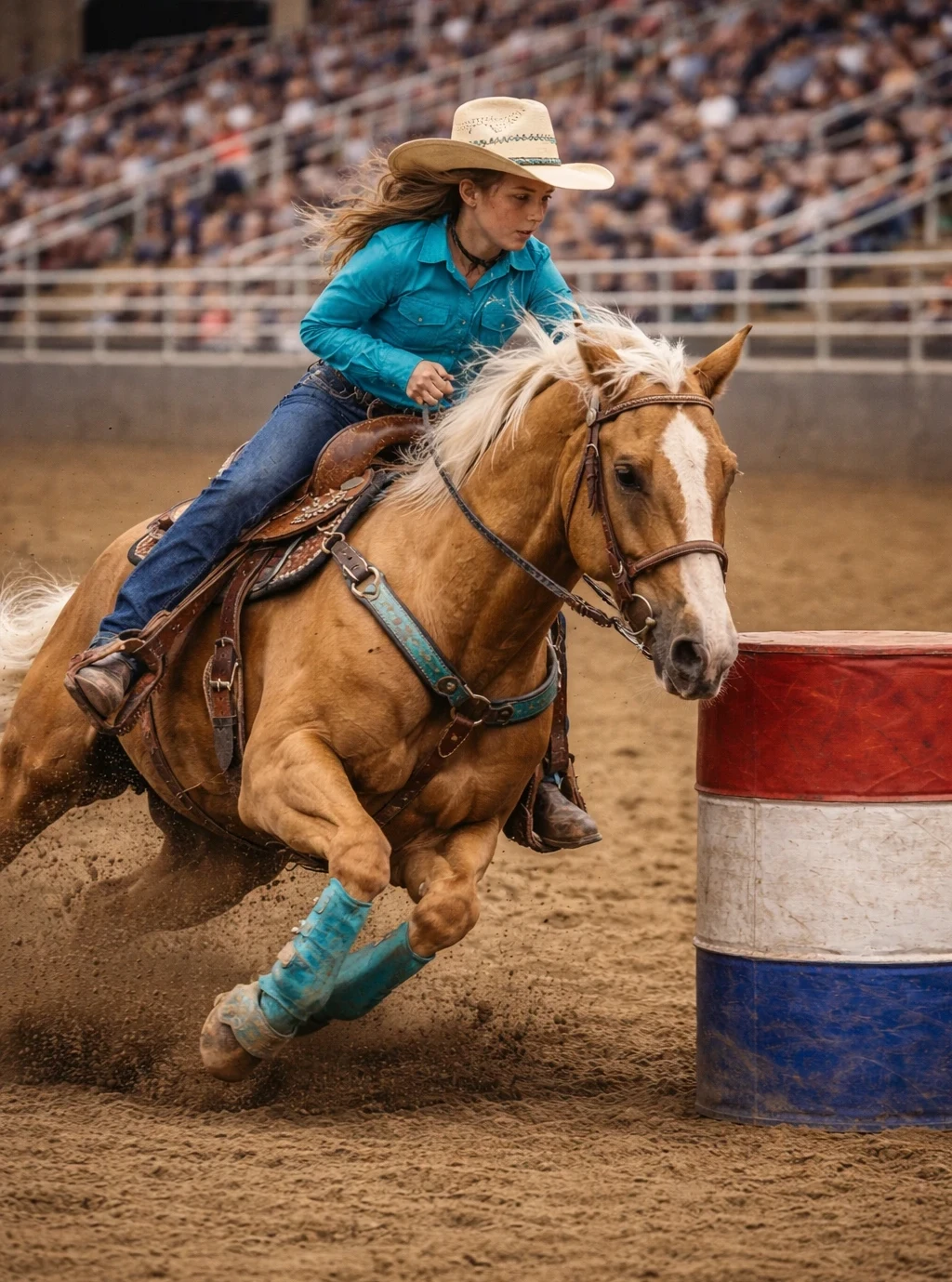
A barrel racing saddle does a lot more than just keep me in the seat. It has a direct effect on how my horse performs in speed events. I often hear people ask if a lighter saddle really makes a noticeable difference.
My answer comes from experience, a lot of trial runs, and some solid advice from working with both new and seasoned horses.
Here’s an all-in-one look at how saddle weight influences racing speed, why it matters, and what to think about when choosing your next saddle for barrel racing.
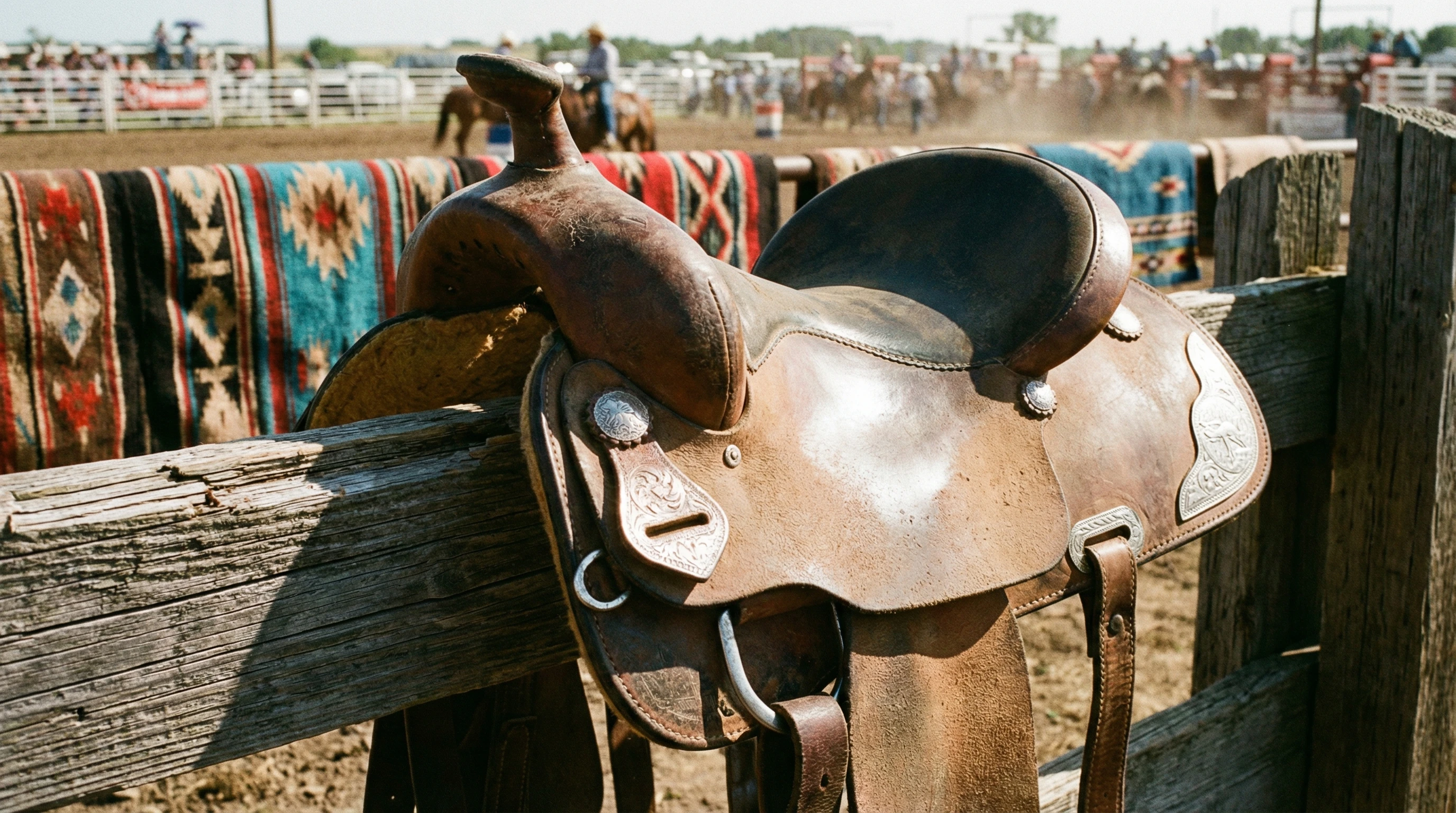
How Barrel Saddle Weight Relates to Racing Speed
The weight of my barrel racing saddle can help or hinder my horse’s ability to run fast, especially on tight turns and sprints between barrels. A lighter saddle puts less burden on my horse’s back, which helps with quicker acceleration and less fatigue.
Even just a few pounds make a real difference, particularly across multiple runs or with younger, less muscular horses. But there’s more to this story than just shedding pounds.
Heavier saddles feel more grounded and stable on some horses, which can give me more confidence when running a powerful horse who makes big moves. Still, if the saddle feels bulky or unbalanced, it impacts the horse’s stride and can actually slow us down on the clock.
Average Barrel Racing Saddle Weight
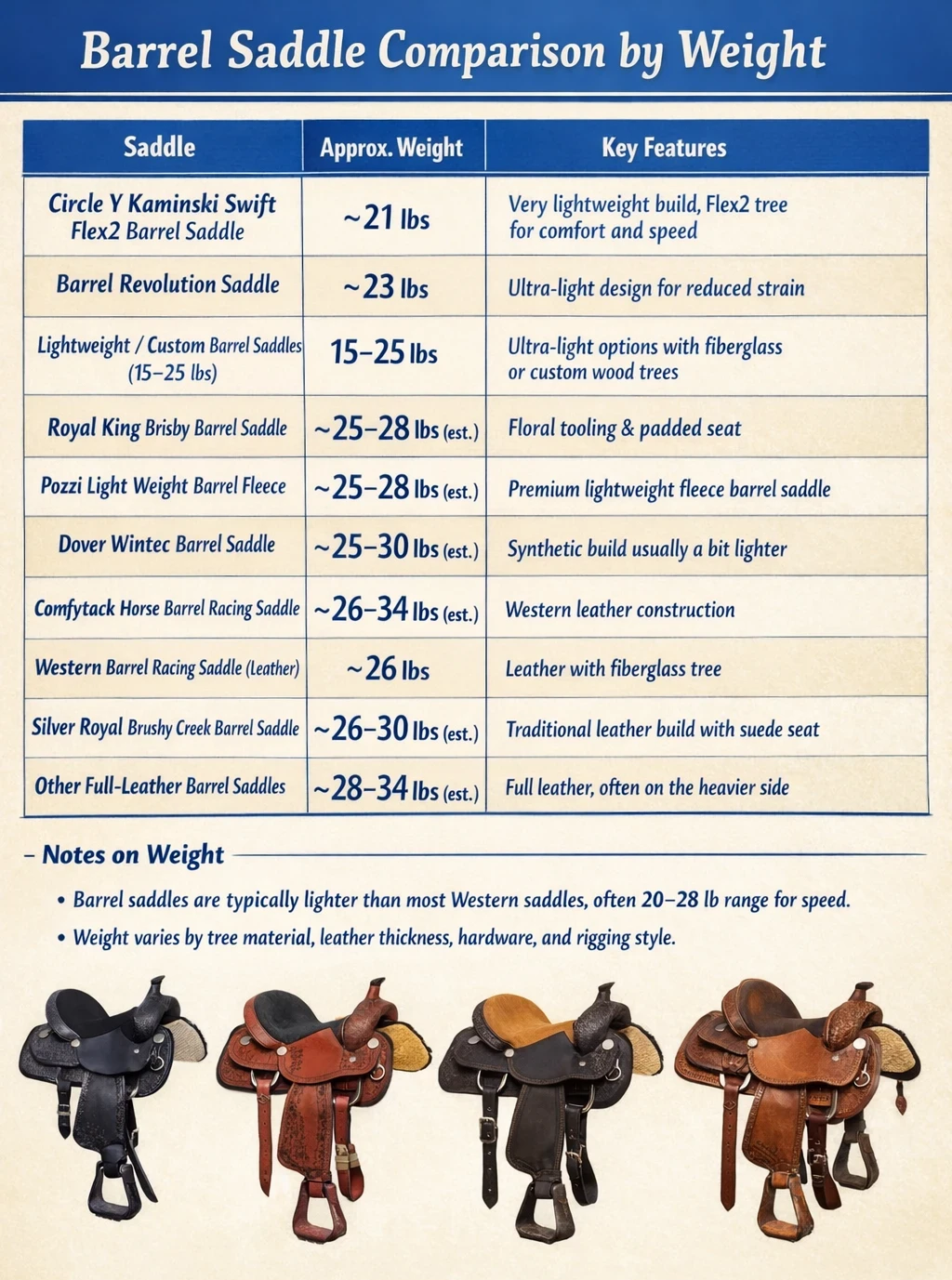
Most barrel racing saddles usually weigh between 20 and 29 pounds. Compared to roping or trail saddles, barrel saddles are much lighter by design. The lightest models I’ve tried come in closer to 18 pounds, while traditional leather and wood tree saddles can be in the high 20s.
I always remember that when factoring in my own gear (saddle blankets, tack, and myself), every extra pound stacks up quickly. A lot of barrel racers talk about the best combo between comfort and quickness, and that’s usually in this 20 to 25 pound sweet spot.
For a beginner or a youth rider, starting with a saddle in the 20-25 pound range is pretty common. Some composite and synthetic saddles are even lighter, though they come with their own tradeoffs, which I’ll talk more about shortly.
The right weight also comes down to the build and size of the horse – lighter for smaller horses and a bit heavier for larger, more muscled barrel horses.
Is Lighter Always Better in Barrel Racing?
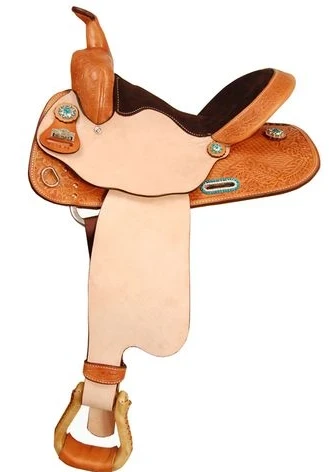
A lighter barrel saddle can be a real boost for speed, but it’s not always the best pick for everyone. I have found that a super light saddle isn’t always as comfortable or supportive on a big, powerful horse.
Lightweight synthetic saddles are easier to handle and lift, which I appreciate after a long day at the barn. But if they aren’t built well, they move around too much or don’t stay put on quick turns.
This can slow us down if my seat gets unstable.
Riders with strong horsemanship skills can often get by with very light-weight gear and stay balanced. If I’m just starting out or riding a larger horse, I personally prefer a middle-weight saddle that’s not too heavy but gives me enough structure for a solid seat.
You’ll also find that lighter saddles can sometimes lose that security when you’re whipping around the barrels at top speed. My horses definitely react differently depending on the saddle weight I choose for the day.
How Saddle Weight Affects Turns and Acceleration
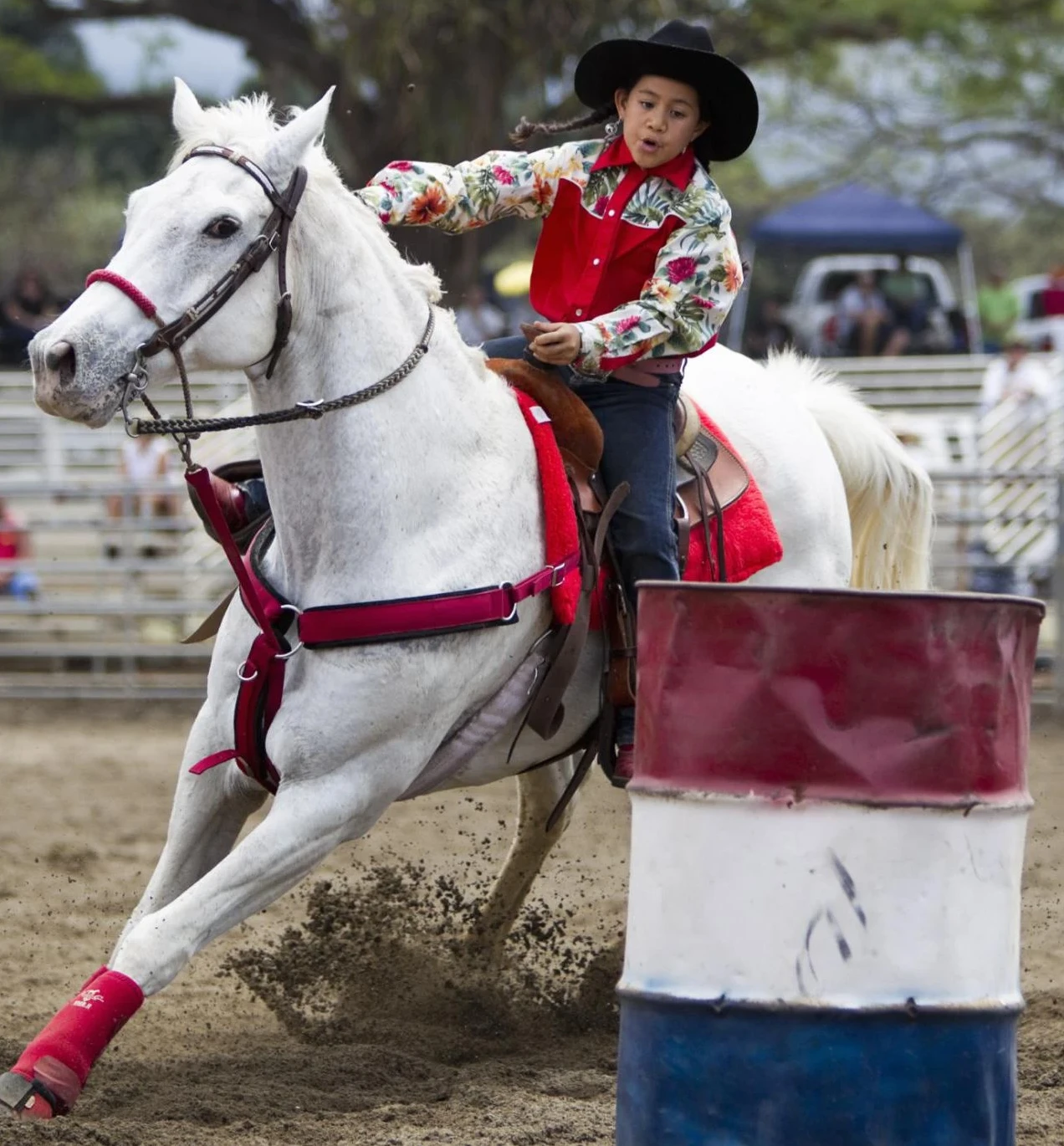 Barrel racing is all about fast, precise turns. A heavy saddle can weigh down my horse and make quick pivots harder. When we go into a sharp turn, extra weight sometimes causes a small stumble or slip, especially if the saddle shifts side-to-side.
I have learned this the hard way more than once. It’s an expensive lesson in lost tenths of a second.
On the other hand, a saddle that is too light and flimsy can make me feel unsteady, especially on powerful horses that change direction fast. Finding a balance with a light weight, but secure saddle is key for both of us to feel confident and move quickly around the barrels.
When I’m riding a hard-charging horse, even one extra pound can matter at top speed, but stability is just as critical as being light as a feather.
Impact of Saddle Weight on My Riding Position
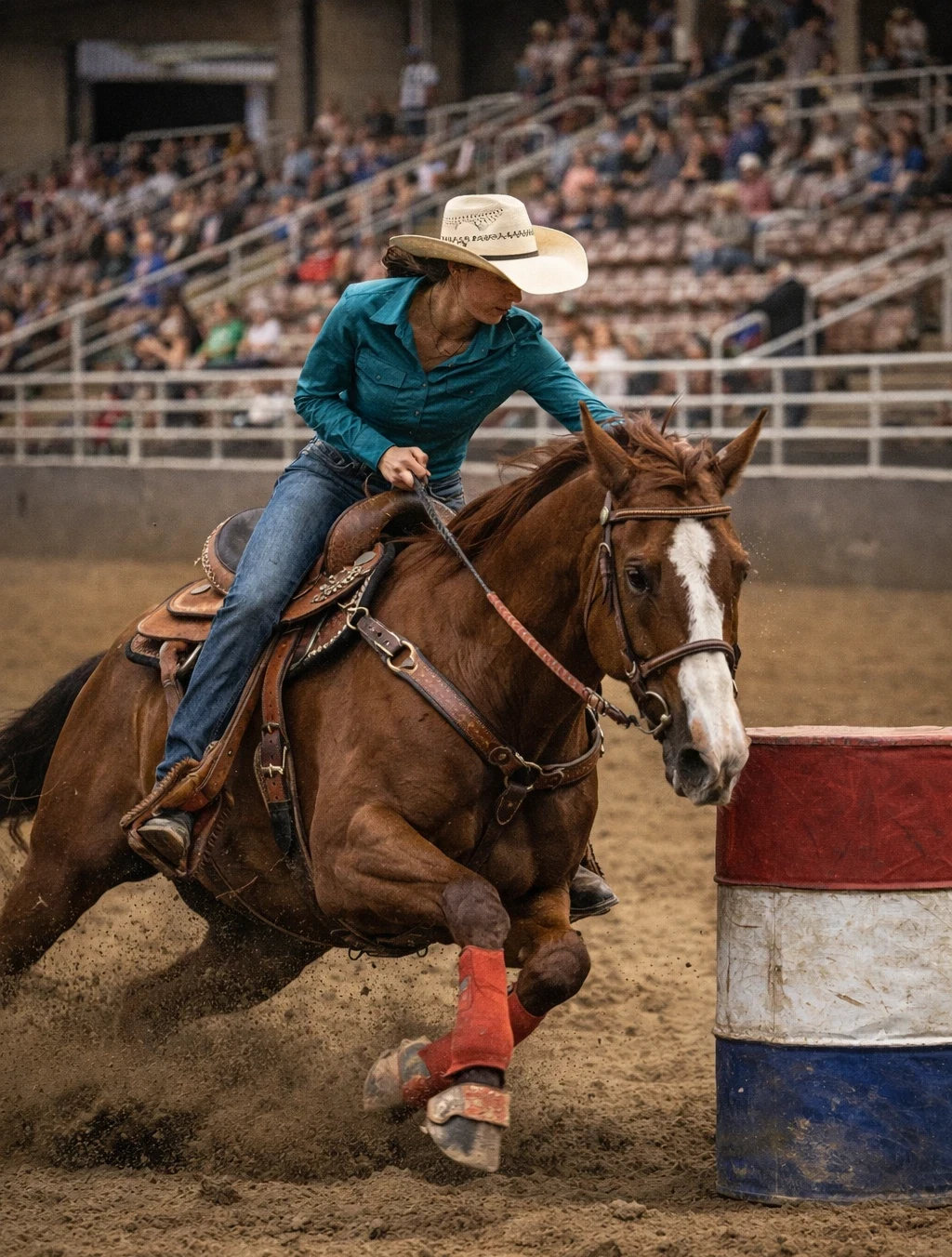
I’ve noticed that a lighter saddle can help me stay agile and react quickly. When my saddle is lighter, shifting my weight for a quick turn or standing up for a sprint down the alley feels a lot easier.
But lighter saddles sometimes skimp on padding or seat depth, so if I don’t have enough support under me, my riding position can slip, which affects balance and speed.
In these cases, even a half-second mistake adds up over a run.
What’s More Important: Saddle Weight or Fit?
Although reducing excess weight in my saddle helps with speed, fit comes first every time. If my saddle doesn’t fit my horse’s back, she’s going to move stiffly, refuse to stride out, or even end up with sore spots and back pain.
I tried to cut weight once by swapping to a cheaper synthetic saddle that technically fit. But my horse started to pin her ears in the alley and slowed way down.
That experience reminded me that a well-fitted saddle, even at just a few pounds heavier, is always better for both of us than saving weight and sacrificing comfort. Fit also means safety.
A good saddle will keep me locked-in, while one that just fits “well enough” can put us both at risk in the arena.
Durability of Lightweight Saddles
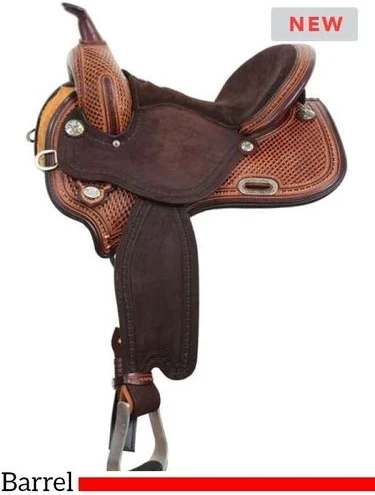 I’ve owned both super light synthetic saddles and more traditional leather ones. Lightweight saddles made from composite materials or synthetic leather are much easier to lift and handle.
However, I’ve noticed that low-cost lightweight options aren’t always as tough.
Sometimes, cheaper materials will wear out under the stress of regular barrel racing, especially with a hard-stopping horse. More established brands now offer lighter saddles made with high-quality construction and stronger trees.
These cost a bit more, but they hold up well for years of racing. So, I recommend checking reviews and choosing a saddle with a sturdy reputation over just picking the lightest model you see.
Stamina Over Multiple Runs
After three or four runs in the heat, both my horse and I notice if my gear is too heavy. A heavier saddle adds to the overall load my horse carries, and over a day, that extra fatigue slows us down.
In youth rodeos or multiday races, a lighter saddle helps my horse recover faster between runs. For me, carrying a lighter saddle between events is also a relief, especially if my arms are tired from tacking up several times a day.
When you’re hauling gear around the back pens, that lighter saddle really adds up to less strain on your back and shoulders, too.
Is a Lightweight Saddle Better for Youth or Smaller Riders?
Youth or smaller riders (like my niece, who is eleven and rides a much smaller horse) do much better with a lightweight saddle. Not only is it safer and easier for them to tack up on their own, but a lighter saddle can help them stay balanced and confident.
Heavier saddles can overwhelm young riders and their horses, leading to frustration and slower times in the arena. In my family, I always recommend a wellpadded but lightweight barrel saddle for the kids.
With a lighter saddle, young riders also get a better feel for their horse’s movements and build their confidence quickly.
Great Beginner Barrel Saddle Brands for Speed and Balance
When I’m recommending saddles to new riders, I focus on brands that balance lightweight design, durability, and a secure seat. Here are a few that consistently deliver for beginners and intermediates:
- Tough 1: Offers budgetfriendly synthetic models starting around 18 pounds. Good entry choice and easy to handle.
- Double T Saddlery: Has affordable, lightweight saddles (around 20–22 pounds) and colorful designs that look great for rodeo beginners.
- Circle Y: The “Josey” barrel saddle line is light (some models 21–23 pounds), durable, and fits a wide range of horses. They hold up really well for years.
- Martin Saddlery: More expensive but known for their lightweight “FX3” designs, which are popular with both pros and those serious about speed.
Frequently Asked Questions About Barrel Saddle Weight and Speed
Does a lighter barrel saddle really make my horse faster?
Yes, I’ve seen my horse move out faster with a lighter saddle, especially in short sprints and tight turns. The improvement isn’t dramatic for all horses, but even a little less weight makes a difference over time. It is something you start to pick up on as you do more runs each season.
Can a heavy saddle slow my horse down on the turns?
It can. I’ve felt my horse hesitate or lose her timing in a heavy saddle, especially on sharp barrels. Lighter saddles help with quicker direction changes and can prevent that wobbly feeling as you leave the barrel.
Are lightweight barrel saddles less durable?
Some budget lightweight models don’t last as long. Higher-end lightweight saddles use better materials and stay strong much longer, even with daily use over a season or two. Always check user feedback and warranty info before you buy.
Is saddle fit more important than weight?
Yes. In my experience, an uncomfortable saddle will slow down my horse even if it’s very light. Fit always comes first, followed by weight. If the saddle pinches, leans, or rubs, you’ll see the impact on your times and your horse’s attitude quickly.
I’ve ridden a lot of runs with different saddles, and saddle weight is just one part of the race. Paying attention to the right fit, durability, and the unique needs of my horse (and myself as a rider) really affects our results.
A solid, secure, and reasonably lightweight barrel saddle gives me and my horse our best shot at a fast, clean run. Every round in the arena, I aim for safety, speed, and comfort above all else.
Even a small change in your gear can help you shave precious seconds and take your racing to the next level.
Was this post helpful for you? I’d love to hear what you think — feel free to drop your questions or thoughts in the comments below! If you’re just getting started with barrel racing, you might also enjoy my post: “11 Beginner Barrel Racing Tips – to Help You Win the Jackpot Big Time”. It’s packed with practical advice to help you hit the ground running!
Did you find this post helpful? If so, please leave your comments or questions below. It may be helpful for you to read my other post titled, “11 Beginner Barrel Racing Tips – to Help You Win The Jackpot Big Time”