
Getting the right barrel racing saddle fit can make or break your riding experience. Not only can it impact your horse’s comfort, but it can also influence your performance in the arena.
Being thoughtful about how a barrel racing saddle fits both your horse and you as the rider is key for speed, safety, and happy rides.
I’ll go through all the essentials I keep in mind when checking for a good fit, plus some handy tips to help you avoid common mistakes and keep your barrel racing adventure running smoothly.
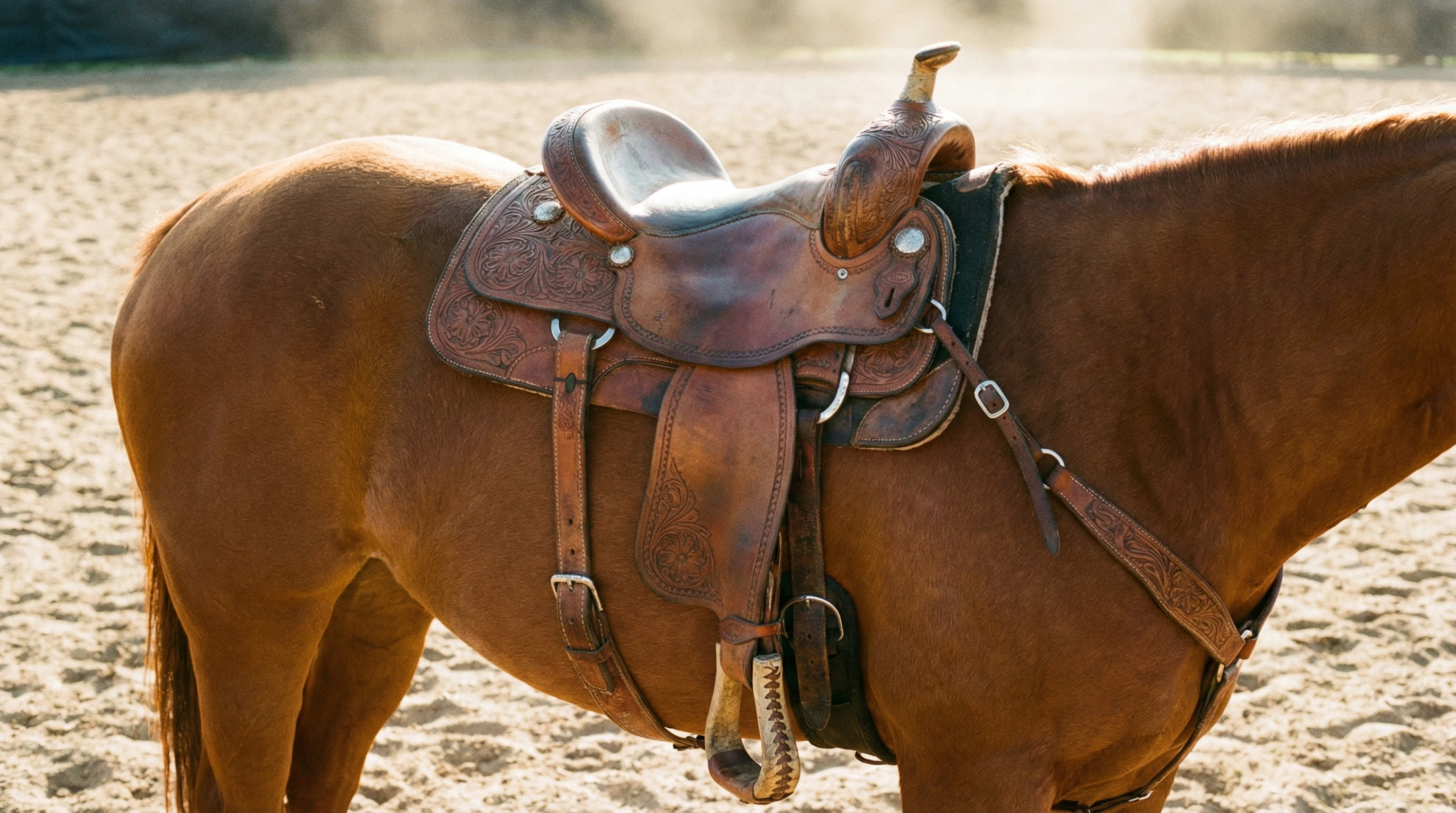
Why the Right Saddle Fit Matters for Barrel Racing
If you’ve ever seen a horse wringing its tail, pinning its ears, or swapping leads mid-barrel run, you might be witnessing the downside of a poorly fitted saddle. A barrel racing saddle influences everything from a horse’s stride length to how freely it can turn around a barrel.
A comfortable, secure fit lets your horse move naturally and helps the rider stay centered no matter how tight the turn gets. Even a small pressure point can bother a horse enough to slow their times or make them sour in the pen.
So this is something I never overlook.
Besides comfort, proper fit also helps prevent soreness, white hairs, and even long-term back damage. For competitive barrel racers, it’s key to keep both health and performance at the forefront when thinking about saddle fit.
Attention to comfort isn’t just for the horse, either—if the saddle doesn’t fit you as the rider, you’ll lose confidence and control during those rapid-fire turns and sprints.
The right fit is the hidden secret to unlocking next-level cool rides and preventing breakdowns that can sideline your season.
Fitting a Barrel Racing Saddle to Your Horse
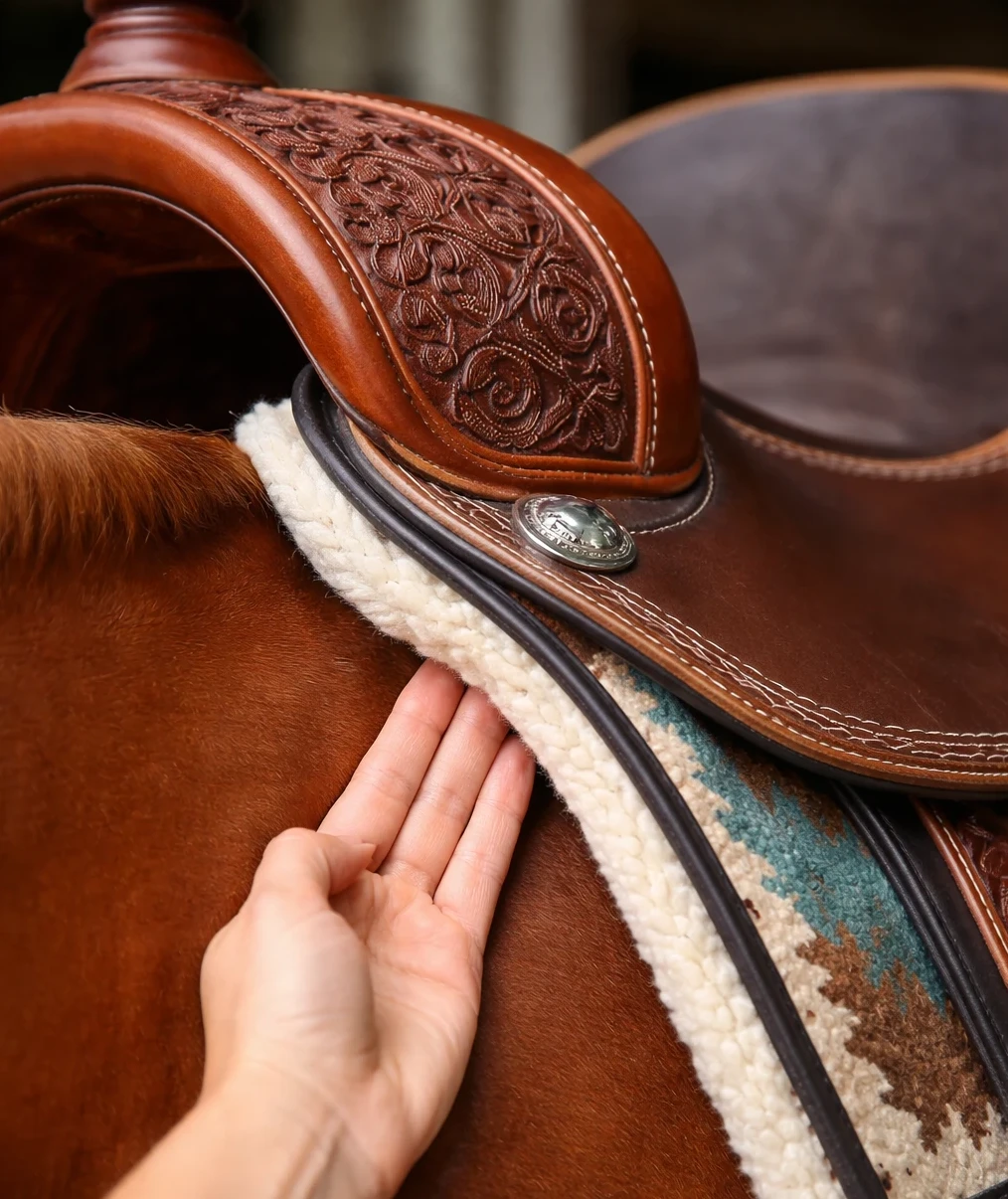
Every horse’s back is a little different, so what works for one might not work for another. Here’s how I check fit on mine:
- Wither Clearance: There should be at least 2-3 fingers between the saddle and the highest part of the withers. This gap keeps pressure off sensitive areas. Too little clearance can cause rubs, while too much might mean the tree is too wide and drops onto the back.
- Spine Contact: The saddle should never press directly on the spine. The bars of the tree distribute weight evenly along either side, creating a channel that stays clear. Run your hand down the channel while the saddle is girthed up to make sure there’s no unwanted contact.
- Bar Contact: A goodfitting saddle has the bars of the tree touching evenly from front to back, not bridging (floating in the middle) or rocking (shifting front to back with movement). Check with and without a pad to get a sense of how the bars sit on your horse’s back.
- Movement/Rocking: Some minor movement is normal, but a saddle that rocks or shifts side to side a lot isn’t providing enough stability, especially when running hard or turning tightly.
- Fitting Special Shapes: On muttonwithered or very wide horses, I often look for a saddle with Full Quarter Horse Bars or even a wider tree, since they give extra room in the shoulders. Shortbacked horses might do better in a saddle with a shorter skirt to avoid pinching behind the shoulders or interfering with the hips.
A saddle that truly fits tends to stay put without needing to cinch up super tight, and your horse should move out freely with a relaxed stride. If you see dry spots after a ride, swelling, or uneven sweat marks, those are definite red flags that something’s off. Sometimes, even small changes in the padding can help smooth the way, but if the tree itself doesn’t fit, no amount of padding will fix the core issue. Take time to check every angle before you lock in your saddle choice for good.
How Barrel Saddles Should Fit the Rider
The rider’s fit is almost as important as the horse’s. Sitting deep and secure lets you stay balanced around barrels and respond if your horse suddenly jumps or turns. If you’re gripping the horn for dear life because of a poor fit, neither you nor your horse will be at your best.
- Seat Size: Barrel racing saddles usually feel snugger than trail saddles. Most riders choose a seat size that’s half to one inch smaller than what they’d use for other Western riding styles for that “locked in” feeling, but personal comfort always comes first.
- Position: When you sit in the saddle, you want about two fingers’ width behind your seat before hitting the cantle. Too much empty space makes it tougher to stay with your horse during quick maneuvers. Too little space leaves you cramped and unsteady.
- Leg & Stirrups: Good saddle fit helps keep your feet under you (not perched out in front or stretched behind). Adjustable stirrup leathers can fine-tune your balance, but the saddle’s design also plays a big role here.
For youth or growing riders, I recommend seat sizes with just a little room to grow, but not so much room that the rider slides around.
Cushioning and secure seat design are handy for beginners who are still building balance and confidence. Sitting deep without excess space gives riders a solid foundation for learning good habits early on.
Tree Types and Bar Differences Explained
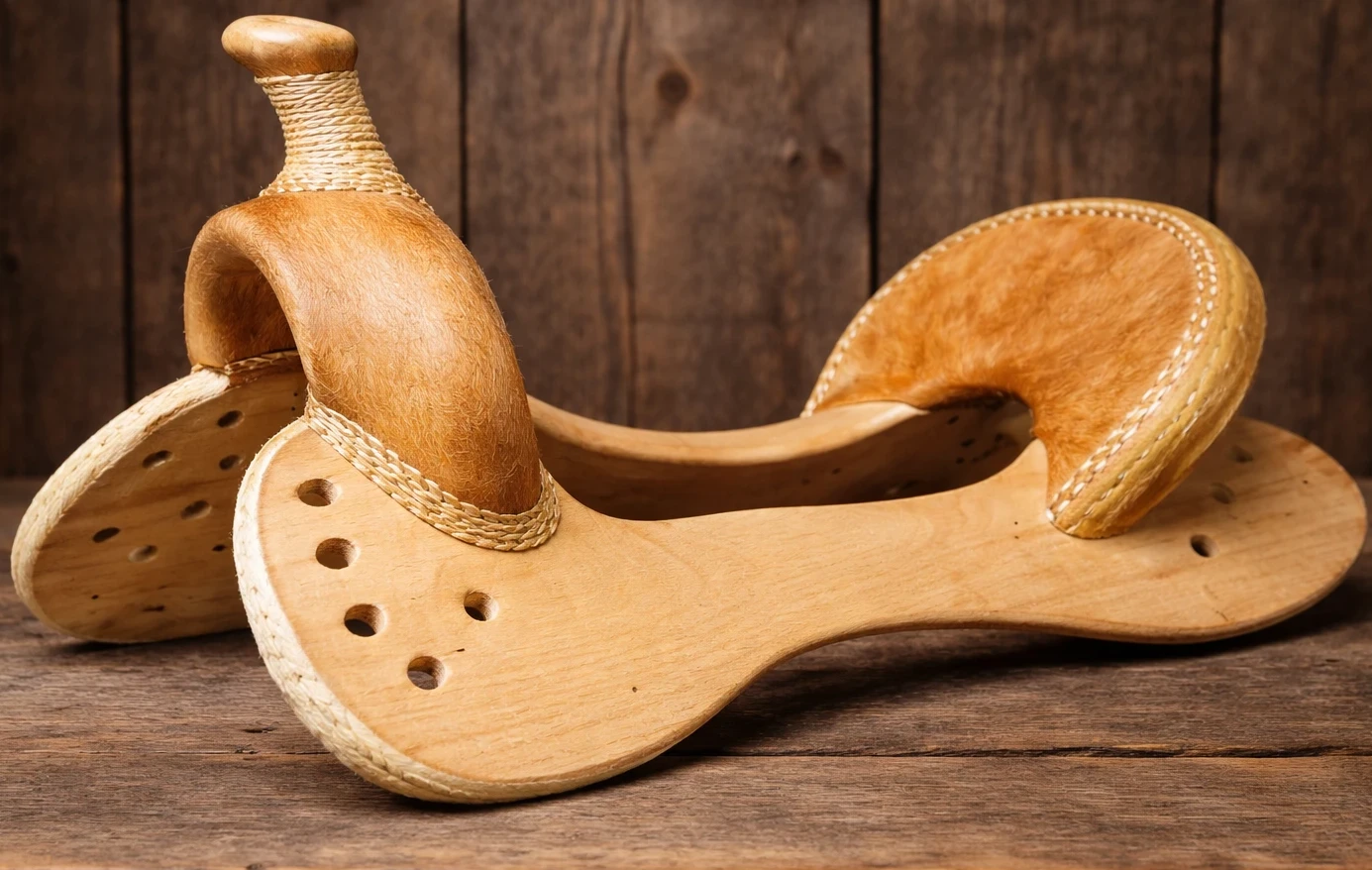
Choosing the right tree size and bar style is a must for saddle fit. Here’s what I check out:
- Semi QH Bars: These work for horses with higher withers and a narrower build. They provide a closer fit through the shoulders and back, which is essential for certain athletic builds.
- Full QH Bars: A better match for muscular or flatbacked horses. Full Quarter Horse Bars offer a wider fit so the saddle doesn’t pinch or restrict movement. This style helps with horses that have burly shoulders.
- Tree Width: There’s no one-size-fits-all answer. Some barrel saddles are available with even wider “XW” or “draft” trees for broad horses. The right one keeps the saddle level and prevents squeezing the shoulders too tightly.
- Flextree Saddles: These have some give in the tree, so they contour better to different horses’ backs. They are especially handy if you plan to use one saddle on several slightly different horses, but they still need to match your horse’s main shape well.
I always compare trail or ranch saddles with barrel saddles—barrel designs are typically a little wider and lighter up front to encourage free shoulder movement, which is key for agile, tight turns. If you’re watching pro runs, you’ll spot this difference in how the horse charges and bends the barrel.
Common Fit Problems to Watch For
If your horse seems grumpy or off, saddle fit could be the culprit. Some signs of a poor fit include:
- Dipping or hollowing the back when saddling
- Ear pinning or tail swishing during rides
- White hairs (pressure points)
- Swelling, soreness, or uneven sweat patterns under the saddle
- Saddle sliding forward, backward, or side to side during sharp turns
On the rider’s side, if you constantly feel like you’re fighting to stay centered, struggling to keep your legs under you, or getting pinched at the thigh, your seat or saddle shape might not be doing you any favors. Sometimes even a little tweak to seat size or stirrup length can make a big difference in comfort and control.
Tips for Fitting Barrel Saddles to Unique Horses
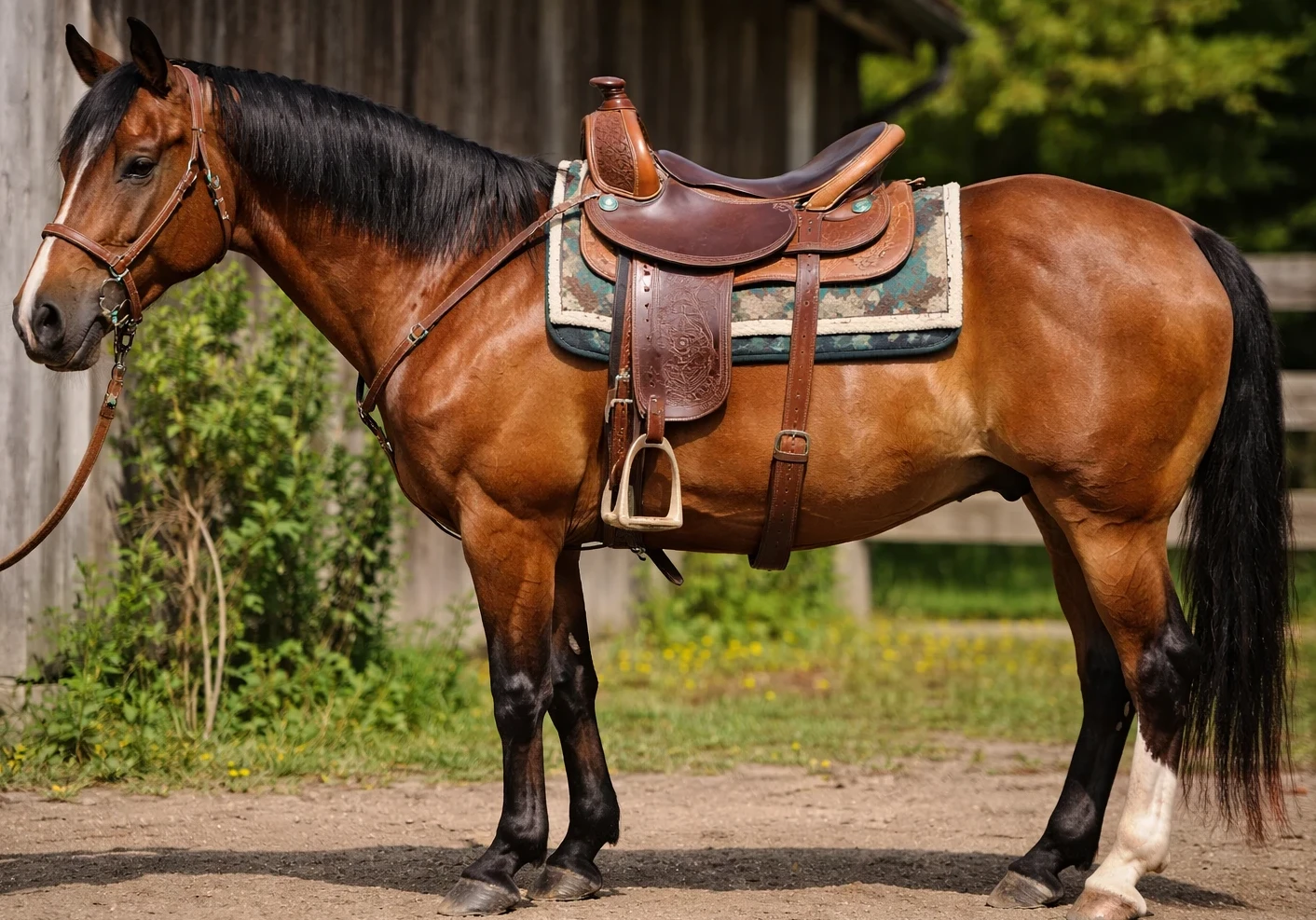
Not every horse is shaped the same, so here are some go-to tricks for tricky fits:
- ShortBacked Horses: Pick a shorter skirt and roundskirt saddle styles. This design is less likely to interfere with hips or rub on the loin when making those fast turns.
- Wide/MuttonWithered Horses: Go for a wider tree, sometimes even specialty or draft bars. Extra padding won’t fix a tree that’s too narrow. It’s better to match the width and use a thinner pad if you need to adjust for comfort.
- Multiple Horses: Flextree saddles or barrel saddles with a midrange fit can work across a few similarly built horses, but for very different backs, you’ll probably need more than one saddle to ensure everyone performs at their best.
I find it really helps to test a few saddles if possible, or borrow from friends to see what your horse goes best in.
Sometimes the tree shape or twist is even more important than the listed width. Trial and error can be your best friend when matching saddle shapes to tricky horse builds.
Practical Fitting Advice for Barrel Racers
- Cinch up your saddle and check for even sweat marks after a ride—dry spots often point to bad pressure.
- Always check withers for clearance; 2-3 fingers works well for most, but check each ride as muscle can build or change with training.
- For new horses or those still building muscle, revisit fit every month or two. Comfort can change quickly with new conditioning, so staying sharp is key.
- Beginner riders should focus on comfort and balance. A saddle that helps you ride confidently and stay centered is super important.
- Youth riders may need to size up as they grow, but sitting deep in the pocket without a lot of extra space behind helps build good habits early.
- Don’t size down seat size too far. Being locked in is great, but restricted movement or tightness can really hurt your balance and response time around barrels.
Above all, I try not to rush saddle shopping. Careful research and test rides can help you avoid expensive mistakes and keep both horse and rider happy.
Seek advice from seasoned barrel racers and don’t hesitate to ask local saddle fit experts for tips — sometimes a helpful eye makes all the difference.
Frequently Asked Questions About Barrel Saddle Fitting
Question: How do I know if my barrel racing saddle fits my horse?
Answer: After tacking up, check for wither clearance, spine channel, and even bar contact. Watch for dry spots or white hairs after a ride. Your horse should move out happily without resistance or strange body language signaling discomfort.
Question: How much rock or movement is normal in a barrel saddle?
Answer: A tiny bit of movement is normal, but anything more, especially front to back rocking, shows the fit is off and could cause rubbing or soreness. The saddle shouldn’t twist or shift side to side during fast turns.
Question: Can one barrel saddle fit multiple horses?
Answer: It’s possible if your horses are built very similarly. Flextree saddles offer a little more adjustability, but for the best fit (and best runs), individual saddles for each horse are usually the best approach.
Question: Does rider weight affect barrel saddle fit?
Answer: Yes. A heavier rider may need a stronger tree and should double-check that the bars make even contact without pinching.
Making sure the tree isn’t too narrow is especially important to spread out the load for horse comfort. Each combination of horse and rider is a little different, so keeping an eye out ensures both perform well.
Question: What are the top fitting mistakes beginners make?
Answer: Common ones include ignoring dry spots and sore muscles, picking saddles based on looks alone, sizing the seat too tight, or trying to “fix” a bad fit by adding thick pads instead of choosing the right tree.
Searching for the right fit is worth every minute for the comfort and success of your barrel racing efforts.
Did you find this post, “Barrel Racing Saddle Fitting Guide” helpful? If so, please post your comments below. Also, check out my barrel racing saddle reviews, which may help you decide which saddle you’d like to to buy.