 What is an Endurance Horse Saddle? Before I answer that question, let me explain what endurance riding is. Endurance riding is a worldwide competition equestrian sport involving long-distance racing. This equestrian sport challenges distance, terrain and stamina of the horse and rider.
Two Types of Endurance Riding
There are two types of long-distance riding in this sport – competitive trail riding and the endurance riding. The competitive ride covers a distance of approximately 15 to 40 miles per day. It occurs over the course of 1 to 3 days. The ride is fast-paced and timed, which means you have to complete the ride within the specified time to avoid penalty points.
The endurance ride takes place over 50 to 100 miles in distance in one day. It can take between 10 and 12 hours. It’s a race ride, and it definitely challenges the stamina of the horse and rider. Hence, the word “endurance” is used in this sport.
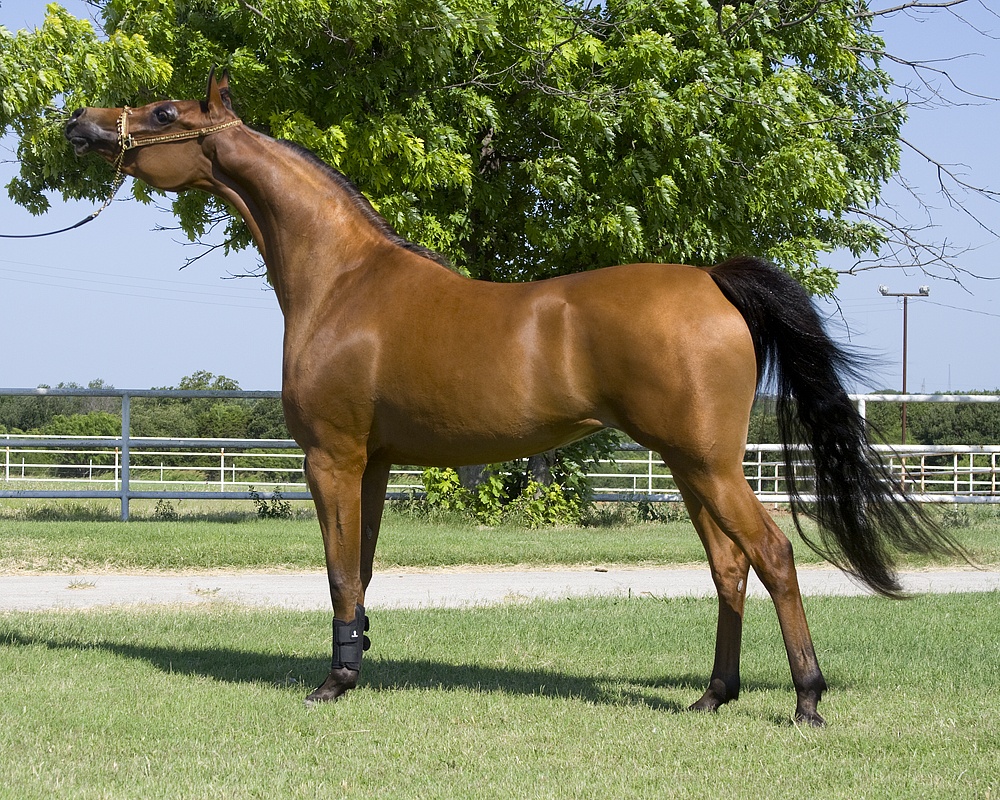
The Arabian horse breed is usually used in this sport, but any breed can participate. Arabian Endurance Saddles are often used in this sport. Because the horse and rider are required to travel long distances and stamina is needed, this sport calls for an endurance riding saddle.
Features and Benefits
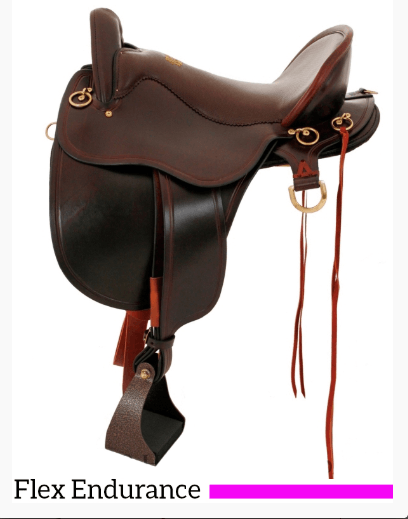 So, what is an endurance riding saddle made of, and how do the features benefit the rider and horse? First, because manufacturers understand the sport connected to the saddle, they’ve specifically built the endurance saddle with durability and rider comfort in mind.
Light Weight – In order to be competitive, the rider needs a saddle that is light in weight, durable for long distance rides that contain rough and steep terrain. It’s built to allow close contact between rider and horse for better communication. A lighter saddle means the horse’s back will be comfortable during the ride.
Heavily Padded Seat –
Because the rider will be riding long distance, the seat for an endurance saddle needs to be comfortable. So, the seats are heavily padded (some seats are designed with memory foam).
Low or No Horn – To avoid impaling the rider’s stomach or interference when standing, jumping over obstacles, the endurance saddle either has a short horn, or no horn at all.
Rounded Skirt – Endurance saddles tend to have rounded skirts, which helps keep the saddle lightweight.
Center Rigging – Centerfire rigging prevents the saddle from tipping forward during the rough ride. A back cinch and breast collar are also used to help keep the saddle stable and in the correct position.
Stirrups – Because there’s a lot of shock to the knees, ankles and back during an endurance ride, the stirrups are lightweight and deep. They feature thick closed cell foam pad on the tread, which provides shock absorbency and comfort to the ankles, knees, and back. They’re also made with an extra wide surface to ensure that the weight of the rider is distributed evenly around the foot (as opposed to a narrow band in standard stirrups).
Extra Leather Strings – The endurance saddle will have extra strings and d-rings in order to allow for extra gear to be secured to the saddle.
So, if you’re in the market for a really good endurance saddle, visit the Horse Saddle Shop, where you can buy new and used endurance horse saddles. Do you have a particular brand of endurance horse saddle you use?
Please leave your comments below. As always, I love hearing from my readers!
Shalisha this is an interesting article and you are so knowledgeable in this area. I am impressed with your motivation behind this website for riders to be more knowledgeable and be able to fit and select saddles correctly for the comfort of the horse. Sounds like every woman that has ever worn a bra that has not been fitted correctly can relate!
Hi Fleur. Thanks for taking the time to stop by and comment on my post. I love your sense of humor and analogy! I’m so glad to be able to help others find saddles that actually fit them and their horses.
I really love your website. I learn something new every time I come back and it makes me a little more knowledgeable as I have friends with horses that ride competitively. I had never heard of endurance riding before, until I read this. Then I thought about it, and yes I had. But, boy that is a long time in the saddle and I can see why you would want a saddle designed just for endurance riding! Thanks for all the great information!
Hi Matts Mom. Thanks for your comment. I’m glad you love my site and that it’s very informative. There’s so much to learn about Western saddles. I learn too as I go along. There’s a saddle for every type of riding and every type of horse.
Wow I learned so much from this article. I myself do not participate in any equestrian sports, but a very good friend of mine does barrel races. I had never heard of endurance riding before, I bet it is exhausting. I can understand why you would need a comfortable saddle. Thanks for sharing!
Hi Kait. Thanks for your comment. I’ve never participated in endurance riding, although I’d like to one day. It’s exhilarating, I’m sure. I love trail riding though.
Thank you for the great information. This Arabian Flex Endurance Saddle looks well made and easy to use.
What saddle pad would you suggest to pair for the most comfort on the long distance rides?
Hi Delanee. Thanks for your question. Saddle pads are usually used to absorb sweat, cushion the saddle, and protect the horse’s back. But with the right saddle, you shouldn’t need a saddle pad because the saddle will have features that protect the horse’s back from sweat and will conform perfectly to the horse’s back. However, if you find you need a saddle pad, I suggest visiting the Horse Saddle Shop @ http://shrsl.com/12vxn
It is so fascinating the different aspects of horse riding. When you begin to take an interest in the sport you find there are so many different categories and types. It is wonderful that you have created this site to help people find the items they need for their respective interests. Thank you
Hi Maryann! Thank you for your comment. Yes. There’s so much that goes into horseback riding that people don’t know. I’m happy to help.
Great and interesting read. I’m curious to know why the Arabian breed is usually used in this type of race/competition. The race itself sounds brutal for both rider and Horse. Is there a reason for this endurance ride? Is there a history behind it?
The craftsmanship and skills that go into making these saddles are just incredible.
Hi Patty. Thanks for your question. The reason Arabian horses are used is because, since the earliest times in history, they have a history of prevailing in the harshest, most inhospitable conditions. They cross vast distances with minimal rest, food and water.
The breed’s makeup has served it well with its dense bone, economic body size and weight, long shoulder, deep heart girth and huge nostrils that allowed for maximum air intake. His well-constructed feet and legs were durable as iron, and his bravery and acute native intelligence made him unique. I kind of liken the Arabian horses to basketball players who have made it to the NBA. They all have unique qualities about them that have enabled them to have made it through to the NBA.
I hope that answers your question.
Hi there, this post was an interesting read for me as I was unaware of endurance riding and had no idea it was a sport.
I can absolutely see why you would want a very comfortable saddle for that, as chaffing could become a problem. It’s great that it’s also lightweight so the horse is also very comfortable.
I have never ridden a horse, but like most people it is definitely on my bucket list. are you a horse rider yourself? 🙂
Hi Stefani. Thanks for stopping by and commenting! I took up horseback riding lessons a few years ago. I live in New York City, where there used to be a stable on the upper west side. But they’re gone now. So I don’t do much horseback riding anymore. Still, I can go to stables in Long Island to ride. I’m going to start riding again next summer for sure.
Thanks for a really informative article on endurance saddles. I note that you suggest buying new or used saddles from the horse saddle shop. Are there any pitfalls to watch out for when purchasing a second hand saddle?
Hi Amy. I don’t think there are pitfalls to buying a used saddle as long as you go to a reputable dealer. I wouldn’t recommend buying one off craigslist or any place like that, as you won’t get any guarantees. With a dealer, they will show you how to check to make sure the saddle is in good shape.
Oh my heavens, that is quite the sport!
Does this saddle help ease the stress on the horse as well?
Hi Brianne. Absolutely. Endurance saddles are made lightweight so as not to put a burden on the horse’s back.
Do these saddles replicate that of older saddles that people of Persia and Eastern European armies used on their long rides? These saddles do have everything you are looking for in terms of a long, comfortable ride- basically a built in cushion and massager so you don’t chafe or get sore. Great post again!
Hi Andrew. I didn’t think so. So I googled your question. Today’s saddles are in some ways replicas of older saddles. However, Early day horseman rode bareback. From traveling to waging war, for hundreds of years, man rode without a saddle.
The first saddle is believed to have been invented in 365 AD by the Sarmations. Proud horsemen who used their horses in battle and also sacrificed them to the gods. Their saddle creations were brought back to Europe by the Huns. Finding the metal stirrups great for mounting, as well as for increasing overall balance, the Europeans discovered that they were able to wield war weapons with more skill and accuracy.
In the beginning, leather tanning was undeveloped, at best. As the years passed, saddlers perfected the process, resulting in soft, supple, durable hides. The saddle’s tree, generally made from a carved piece of wood, evolved into wood covered rawhide, fiberglass, carbon fiber, and, most recently, a complete removal of the tree.
The western saddle we know today is an evolved version of the Spanish Vaquero’s working saddle. As the working cowboys used their saddles, they underwent a gradual change in order to continue to meet the demands of life in the Old West. Specialized jobs, such as roping cattle, resulted in specialized saddle types. I hope this answers your question.
This is an awesome article! I learned so much from this! Ive never even heard of endurance riding before. Great job! I’ll definitely be coming back!
You’re welcome.