If you’re thinking about buying a horse for Western riding, your stomach probably feels a little tight right now.
It’s exciting… but it’s also overwhelming.
There are so many breeds, so many opinions, and so many ads claiming a horse is “perfect for beginners.” And deep down, you might be wondering:
What if I choose the wrong one?
The truth is, the right Western horse isn’t about flashy color, big names, or impressive speed. It’s about temperament, training, and how safe and confident you feel in the saddle.
Affiliate Disclosure: This article may contain affiliate links. If you choose to purchase through one of these links, I may earn a small commission at no additional cost to you. I only recommend products and services that I believe offer real value to Western riders.
👉 If you’re also trying to figure out what type of Western saddle works best for beginners, I break that down in my complete guide to beginner Western saddles.
In this guide, I’ll walk you through exactly what to look for, what to avoid, and how to match a horse to your real riding level and goals — whether you want relaxed trail rides, barrel racing fun, or all-around ranch riding.
By the end, you’ll know how to choose a horse that fits you… not just the discipline.
What Makes a Good Western Riding Horse?
For Western riding, whether you’re out on trails, learning barrel patterns, or just enjoying time in the arena, the most important qualities aren’t flashy movement or eye-catching colors.
I always put temperament and training at the top of my list.
A horse that’s steady, reliable, and willing to listen will help you keep building your skills and confidence without turning rides into stressful challenges.
Temperament Comes First
I can’t stress enough how much temperament matters, especially for newer riders. Calm, patient horses are worth their weight in gold. These horses are often described as “beginner safe,” meaning they’re forgiving if you make mistakes and less likely to get worked up in new situations.
Some folks get excited about breed or fancy bloodlines, but honestly, a relaxed, friendly horse beats a hot, reactive one every time. Mindset and attitude shape the riding experience way more than pedigree. Sometimes, meeting a horse in person can give you a much better feel for their overall vibe than reading about their background.
Trainability and Willingness
Another top factor is how trainable and willing the horse is. When a horse tries to understand what you’re asking and doesn’t get annoyed easily, things stay a lot more enjoyable.
You might hear the word “finished” thrown around, but here’s what it really means:
A finished horse is well trained for a certain discipline (like trail or barrels) and knows how to handle new requests calmly. “Green” horses are still learning the basics, sometimes charming but often unpredictable. For newer riders, a well trained, experienced horse is usually the way to go.
Match the Horse to Your Riding Goals
Think about what you actually want to do with your horse. Not every horse excels in every Western discipline, and some are just naturally better suited for certain activities. Matching your horse’s skills and energy to what you hope to do is where things start to make sense.
Trail Riding Horses
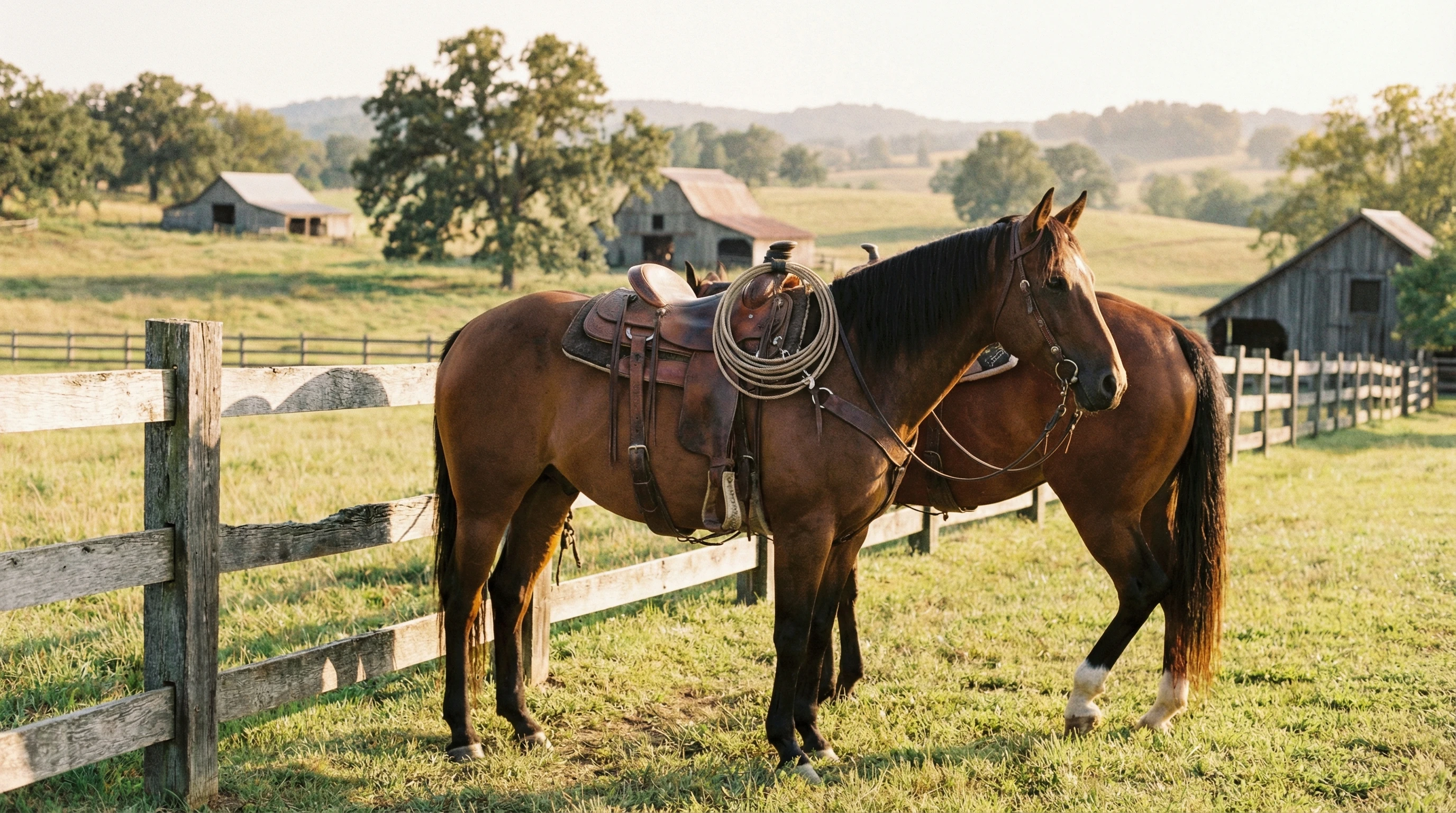
If relaxed rides down the trail are your main goal, look for a horse that’s steady and surefooted. Trail horses should be exposed to different environments, including water crossings, traffic noises, and new obstacles.
In my experience, a horse that’s alert yet calm on the trail will quickly become your favorite riding buddy. Taking the time to ride the horse on different trails before buying can reveal a lot about how safe and comfortable they’ll be as your partner.
👉 You’ll also want a comfortable trail saddle that keeps both you and your horse happy for longer rides.
Barrel Racing Prospects
If barrel racing is calling your name, focus on horses with an athletic but tolerant personality. These horses should have energy but still listen when you need them to slow down or focus.
For someone just starting barrel patterns, a horse that’s responsive without being too sensitive or nervous is easier to learn on. Barrel horses require a blend of quick thinking and steady nerves, so always assess how the horse reacts in a fast-paced setting.
👉 If you’re leaning toward barrel racing, I also compare beginner-friendly barrel saddles to help you choose wisely.
Ranch or AllAround Riding
For folks wanting to dabble in ranch work, arena riding, or a little bit of everything, versatility comes into play. Look for a horse with a solid build, good stop, and a head for different kinds of tasks.
A slightly more responsive personality is great, as long as the horse is forgiving and patient when you’re figuring things out. These all-around horses are fantastic for riders who want to switch things up and learn various Western skills without having to swap horses all the time.
Best Horse Breeds for Western Riding (And Why Temperament Matters More)
While you’ll notice certain breeds showing up a lot at Western barns and events, it’s smart not to get tunnel vision over breed alone. Here are a few popular picks and why they’re worth checking out, but always weigh the individual horse’s temperament first.
Quarter Horses
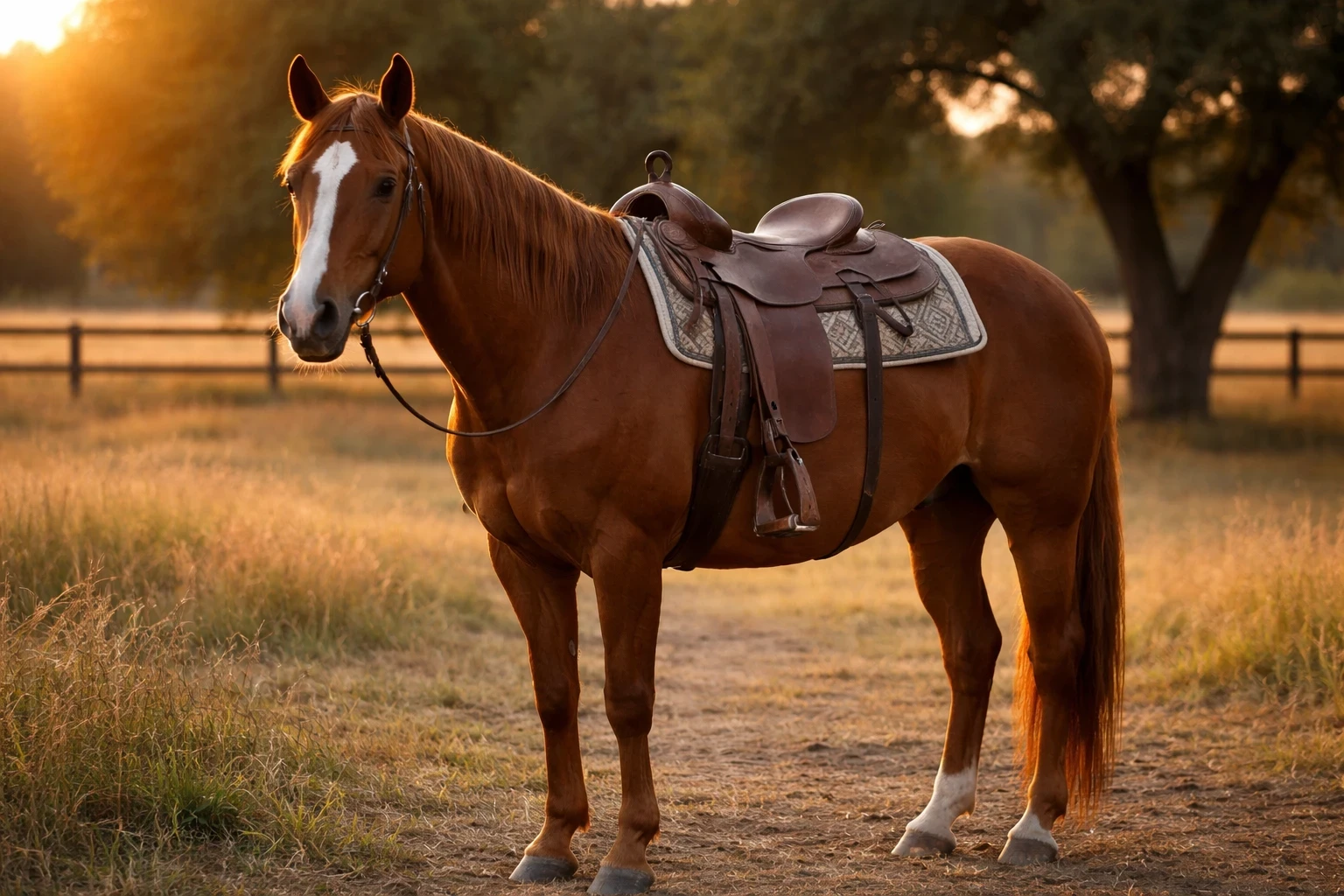
If you ask most Western riders, they’ll tell you Quarter Horses are popular for a reason. They tend to be steady, versatile, and easy to get along with. I’ve ridden dozens and always appreciate how most just get the job done with little fuss. Their adaptability and willing attitude make them great for riders at nearly any level.
Paint Horses
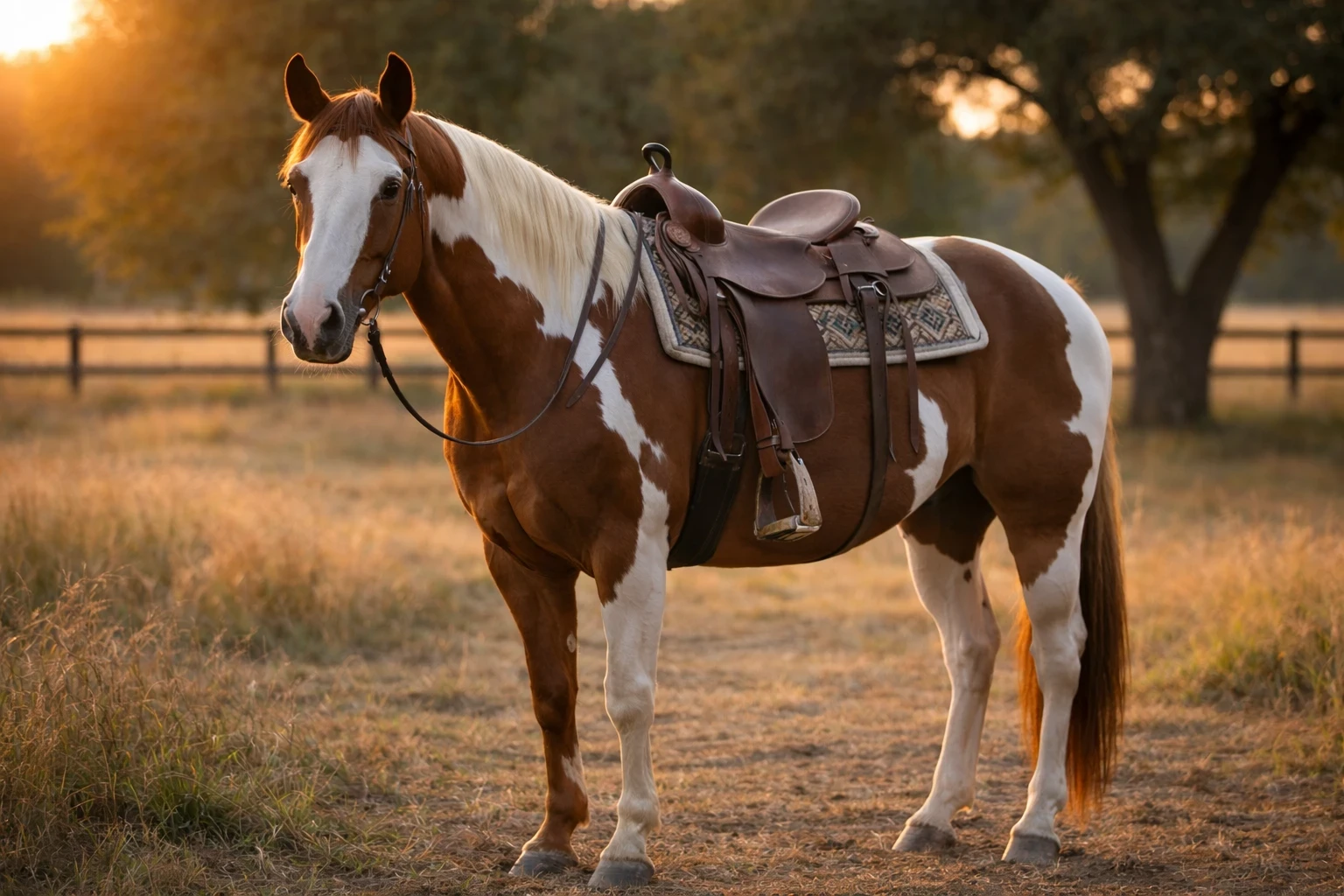
Paints have a similar build and attitude to Quarter Horses, making them common in Western barns. They bring a little extra color, which is fun, but they’re also reliable and usually pretty forgiving with new riders. Many Paints also have quieter attitudes and solid trail experience, which adds to their appeal.
Appaloosas
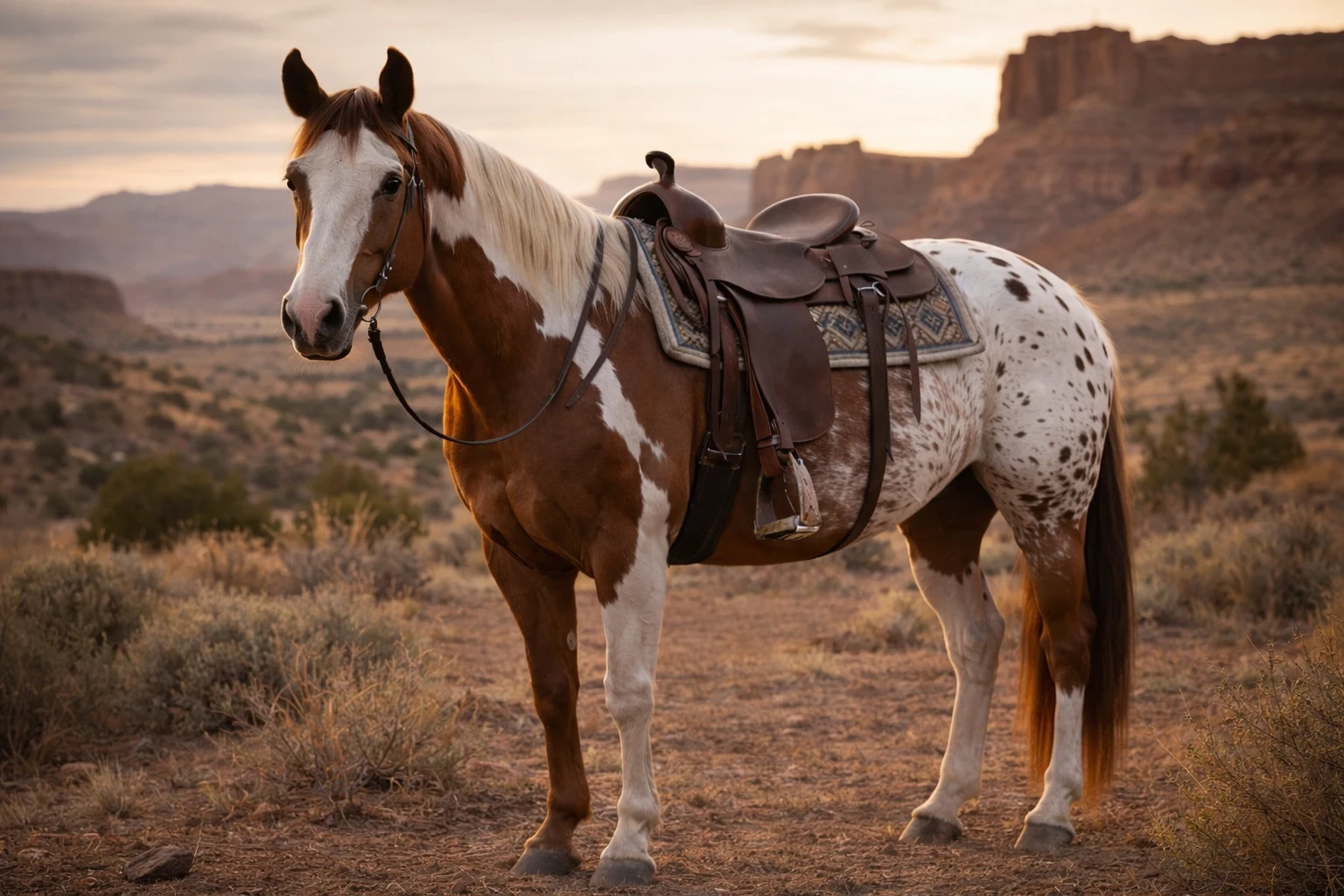
Lots of trail and pleasure riders swear by Appaloosas. They have a reputation for being durable, practical, and unfazed by new challenges. If you find one with a kind mind, you’re often in for a good time.
Plus, their sturdy build and good endurance are perfect for longer rides.
Other breeds like Morgans and some gaited horses (think Tennessee Walkers) can also fit the bill if they have the right temperament and training. Always judge the individual horse before worrying about labels. Sometimes, crossbreeds combine the best traits of two breeds, so don’t overlook them either.
What Age Horse Should a Beginner Buy?
Age is a major factor; too young or too old can make life harder for newer riders. Here’s how I break it down:
Young Horses (Under 6 Years)
Young horses look adorable, but they’re still figuring out the world and might have limited training. For a first timer, this usually means more unpredictable moments and a steeper learning curve. I recommend newer riders skip the young ones unless accompanied by a professional trainer long term. Training a young horse can be rewarding but requires lots of time and expertise.
Prime Age Horses (7–15 Years)
This is the sweet spot for most people starting out. Horses have enough experience under saddle to be consistent, but they aren’t slowing down yet. Most horses in this range know the ropes and can give you the relaxed rides you want. You’ll get the benefit of a horse that’s confident but still fit and eager to work.
Senior Horses (16+ Years)
Don’t count out older horses if they’re still healthy and sound. These guys often make fantastic teachers, as long as their joints and legs are holding up. I always recommend a thorough vet check for seniors to make sure they’ll stay comfortable in regular work. Seniors can be a real confidence boost for newer riders looking for a gentle introduction.
Red Flags When Buying a Western Horse
Shopping for horses can be nerve-wracking, especially if you’re worried about missing something. I keep an eye out for these warning signs:
“Needs Experienced Rider”
If an ad says this, believe it. The horse probably isn’t suitable for beginners or those looking for a confidence builder. Taking this warning lightly usually leads to frustration or even accidents.
“Just Needs More Time”
This usually means the horse is green or untested.
I’ve met plenty of folks who bought on emotion and wound up overhorsed. Steer clear unless you’re working with a trainer regularly. Patience and time make a big difference, but only with the right support system.
Inconsistent Behavior During Test Ride
If the horse acts nervous, bolts, spooks, or flat out refuses to cooperate on a test ride, there’s something going on. Sometimes nerves play a role, but signs of unpredictability aren’t what you want as a beginner. Consistency is key for building trust in the beginning stages.
Seller Avoids Vet Check
If the seller doesn’t allow a pre-purchase exam, walk away. A responsible seller won’t hide anything. Always make sure you get to ask your vet to look over the horse before handing over any money. 👉 If you’re buying secondhand tack as well, my guide on buying a used Western saddle safely can save you from expensive mistakes.
How To Test Ride a Western Horse The Smart Way
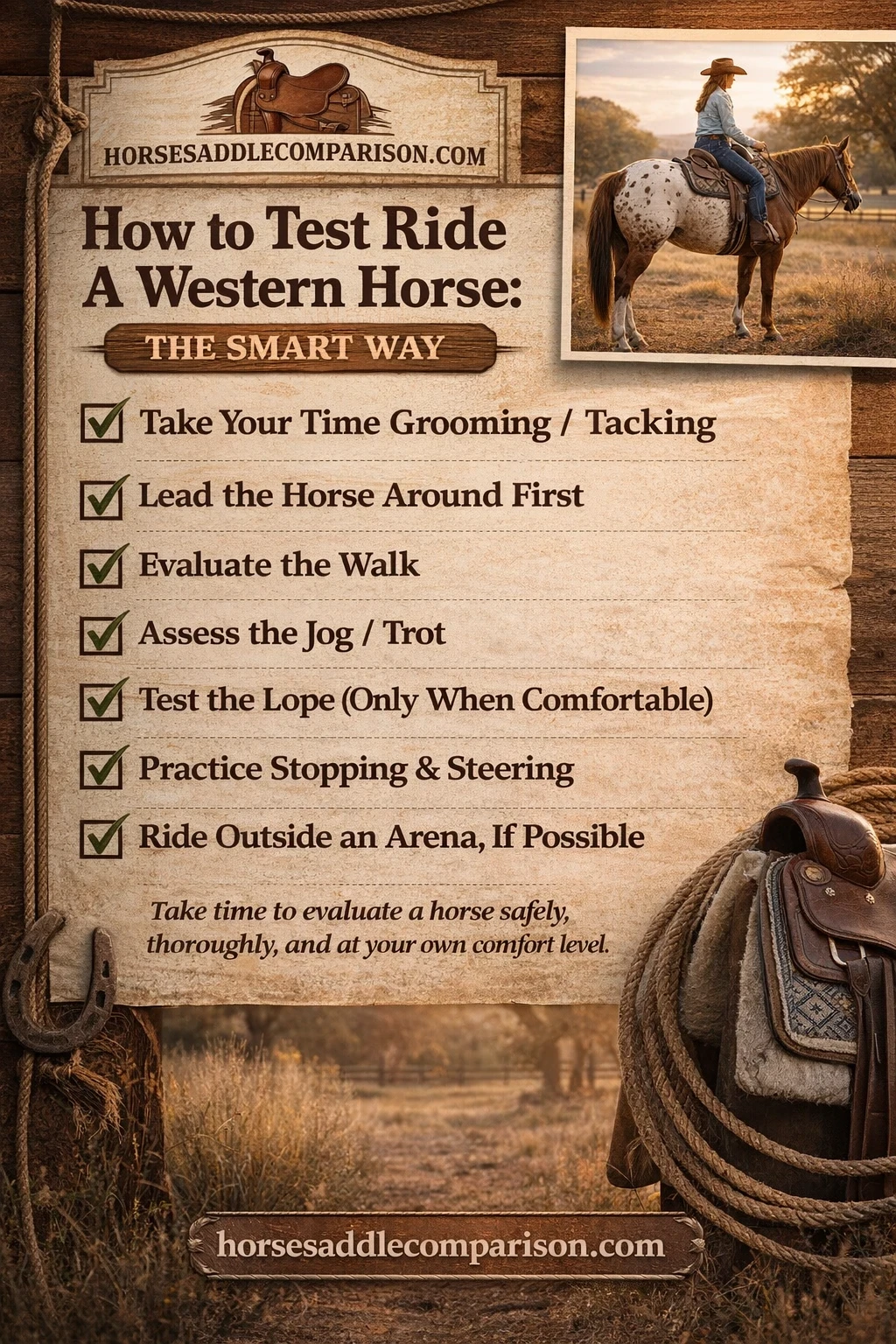
Test rides are your chance to see how the horse acts for you, not just the owner. It’s your opportunity to spot any quirks or areas that might need extra work. Here’s what I always do:
What To Look For At The Walk
Does the horse walk out calmly, without rushing or lagging? Are they listening to light cues, or do you need to nag or yank on the reins? A steady, forward walk is a hallmark of a relaxed horse.
Testing Responsiveness At The Lope
When you ask for a lope (canter), does the horse pick it up smoothly? Do they get anxious or try to race? A solid Western horse should move off gently and slow down when asked. Smooth transitions can make your rides more enjoyable and boost your confidence.
How The Horse Handles Pressure
I try something new like opening a gate or riding away from the group. Watch for panic, nervousness, or stubborn behavior. A little hesitation is normal, but big reactions are red flags for most beginners. This is a time to see if the horse can step up to the challenge and keep its cool.
Questions To Ask Before Buying
- Why are you selling?
- How often is the horse ridden?
- Has the horse competed or been used in a specific discipline?
- Any medical issues or history of lameness?
- Can I schedule a prepurchase vet exam?
Beginner Friendly Horse Checklist (Quick Reference Section)
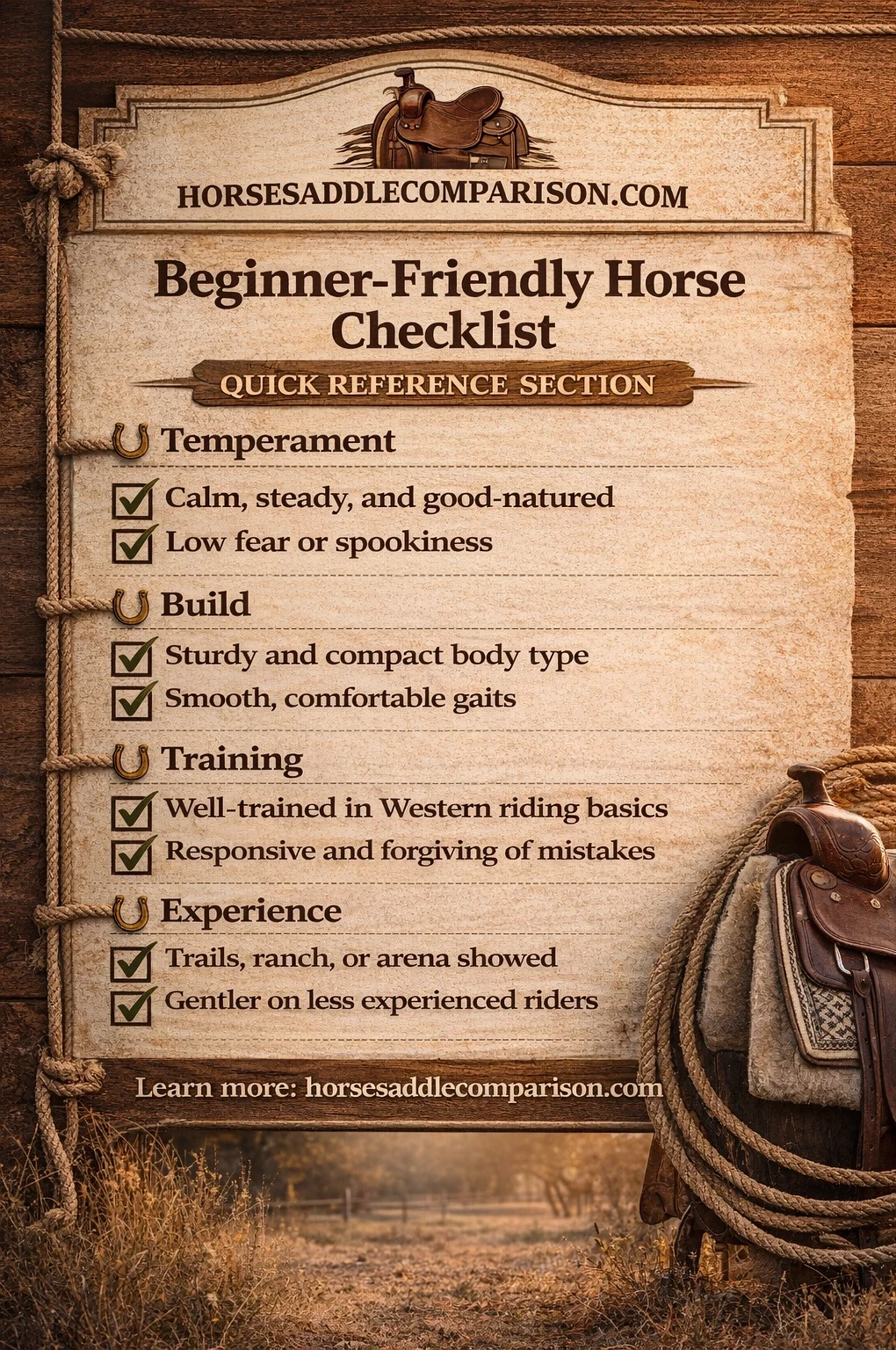
- Calm, steady temperament
- 7–15 years old
- Well trained in your chosen Western activity
- Sound, passes a vet check
- Matches your riding goals (trail, barrel, ranch, etc.)
Final Thoughts: The Right Horse Feels Safe, Not Impressive
It’s easy to get caught up in pretty colors or fancy moves, but trust me, nothing beats climbing into the saddle with a smile because you trust your horse. Confidence is everything for new riders.
Stick with a horse that helps you build trust and have fun. Flashy comes later. Safety comes first. You’re not just buying a horse, you’re getting a partner that fits your riding adventure.
If you want more practical tips, you might also check out my guides on beginner Western saddles and buying used Western saddles safely — they’ll help you avoid costly mistakes and ride with confidence from day one.
I must admit I have always dreamed of having horses in my dreams, but it has not happened yet. How to choose the right horse caught my interest since I have a passion to own horses one day, this was a very interesting and helpful article that opened my eyes to how important choosing the right horse or horses should be.
Temperment was a surprise to me to read on choosing the right horse, I never thought about every horse not having the same temperment before.
One day when I do own a horse or horses, I am the most interested in trail riding. I love being surrounded by nature and wildlife, what better way to enjoy them both than on my own horse.
Jeff
Hi Jeff.
I love that you’re already thinking ahead like this. That passion is a great place to start.
You’re absolutely right — temperament surprises a lot of people. Not every horse has the same personality, even within the same breed. For trail riding, a calm, steady, confident horse matters far more than color or looks.
Breeds like the Quarter Horse, Tennessee Walking Horse, and Missouri Fox Trotter are often known for being good trail partners — especially if they’re experienced and well-trained.
One day when you’re ready, focus on a horse that’s already proven on trails and makes you feel relaxed and confident. That’s the real key.