Western saddles are pretty iconic, and if you’re just starting out as a horse owner or switching from English to Western riding, figuring out which saddle to get can feel kind of stressful. With so many choices at tack shops (and a lot of big price tags), it’s easy to feel stuck.
I’ve been there, and I know firsthand how confusing all those terms and options can be. This guide walks you through the basics, covers all the most popular Western saddle types, explains how to match your saddle to your riding needs, and gives you some tips on making a confident choice as a beginner.
Some links on this website are affiliate links. If you choose to make a purchase through them, I may earn a small commission at no additional cost to you. This helps support HorseSaddleComparison.com and allows me to continue providing honest Western saddle reviews and comparisons.
What Makes Western Saddles Different?
Western saddles have a few standout basics that make them different from English saddles. Designed mainly for working cows and covering long distances, Western saddles are built tough with extra support and stability.
They tend to be heavier and have more surface area to spread weight across your horse’s back. That’s good news for comfort, but it does raise important fit questions you want to get right to keep your horse happy and healthy. If you’re unsure how to balance saddle type with proper fit, read my detailed guide on “how to choose the right Western saddle without hurting your horse or wasting money” before making a final decision.
The Purpose Behind Western Saddle Design
Western saddles came about from practical needs. Cowboys needed gear for long ranch days and roping cattle. They offer extra safety and security with deep seats and sturdy stirrups.
These features help you stay balanced whether you’re making tight turns with a barrel horse or spending all day moving cattle. This design lets you handle work and riding with a sense of security, making Western saddles a staple for many riders who value functionality and comfort.
Why Western Saddles Are Heavier Than English Saddles
Western saddles are packed with tough leather, a big tree (the inside support structure), and extra pieces like skirts, fenders, and a horn. The heavier build helps them last for years and gives better support for you and your horse, but it also means you’re lifting more weight onto your horse’s back.
This durability comes at a price—heft, which can be a challenge if you or your horse have difficulty with heavier tack. Synthetic materials have entered the market, offering lighter alternatives, but traditionalists still love the solid feel and longevity carved into a leather saddle.
Understanding the Role of the Saddle Horn
The saddle horn sometimes gets overlooked if you’re new to Western riding, but it’s a pretty important part. It’s not just decorative. The horn is there for practical tasks like holding a rope when roping cattle, giving you something to grab during sudden stops or tight turns, and even carrying gear.
Not everyone needs a horn, so choosing the right saddle means thinking about your actual riding needs. For non-roping disciplines, you may see a much smaller horn strictly for tradition’s sake.
The Main Types of Western Saddles Explained
Saddles aren’t one size fits all. Each type has features designed around a certain style of riding. Here’s a breakdown that’ll help you match a saddle to your goals or understand why the super fancy one you saw online may not actually work for you or your horse.
Trail Saddles
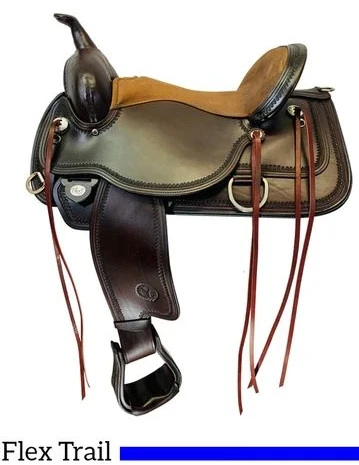
Best for: Long rides and all-day comfort. If you like meandering through trails or enjoy spending hours in the saddle, trail saddles are a smart pick. They have plush seats, wider stirrups, and lightweight or synthetic versions that help with easy lifting or long rides.
Trail saddles usually have rings for attaching saddle bags, which are super handy for day trips. Not really the best for rodeo events, rough ranch work, or roping cattle. They’re just not built for the twists and shocks of those disciplines. However, if you love comfort and want versatility for casual rides, trail saddles are an easy favorite among beginners and seasoned riders alike.
If trail riding is your main focus, take a look at my breakdown of the “best lightweight Western trail saddles for beginners“ so you can compare comfort, weight, and durability before you buy. I also review popular models like the “Cashel trail saddles for women“ and several “Circle Y trail saddle models” if you want to see how real options stack up.
Barrel Racing Saddles
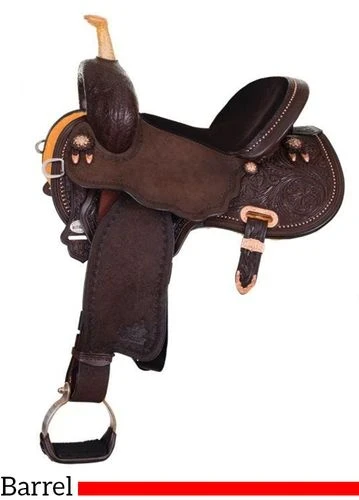
Designed for speed and agility, barrel saddles have a high cantle (the part at your lower back), deep seats for added security, and are much lighter than some other types. They’re made for quick mounts and sharp turns, letting your horse move freely.
A barrel saddle is the way to go if you want minimal weight, love quick rides, or plan to enter speed events. If you’re not doing barrel racing or similar speed work, you probably won’t love these saddles for hours-long trail rides or ranch chores. A trail or allaround saddle would be more comfortable and suitable for varied activities.
Roping Saddles
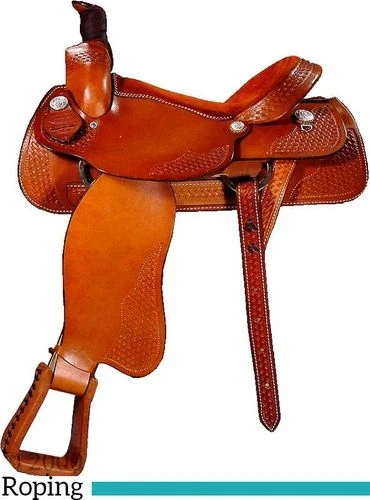
Built tough and designed for roping cattle or dragging heavy objects. Roping saddles come with a sturdy tree, thicker horn (for tying off), roughout seats for grip, and a flatter seat to help you move around easily when dismounting or roping. If you’re planning ranch work or want to get into rodeo roping, this is what you want. They’re heavier and less cushioned. Not ideal if you’re looking for comfort over long pleasure rides or for minimalist riding, as these are intended for the task of roping above all.
Ranch Saddles
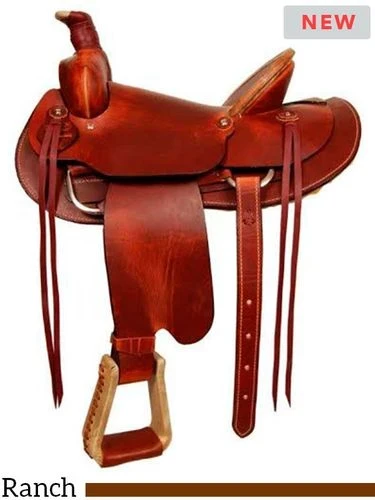
Think of ranch saddles as the truck of the saddle world: big, rugged, and built for serious workdays. Designed for cowboys who spend 10 or more hours in the saddle, a ranch saddle has a solid tree, wide skirts, extra rigging, and sometimes even a dally horn for roping.
These are often heavy and usually made of thick leather, but nothing beats their durability if you’re planning to live that cattle drive life. Ranch saddles are far from lightweight or showy. They’re all about utility, not fashion. For those who value function and reliability, ranch saddles are the steadfast choice for hard working riders.
If you’re trying to save money without sacrificing durability, you can browse my “used Western saddles” section where I explain what to look for before buying secondhand.
All Around Saddles
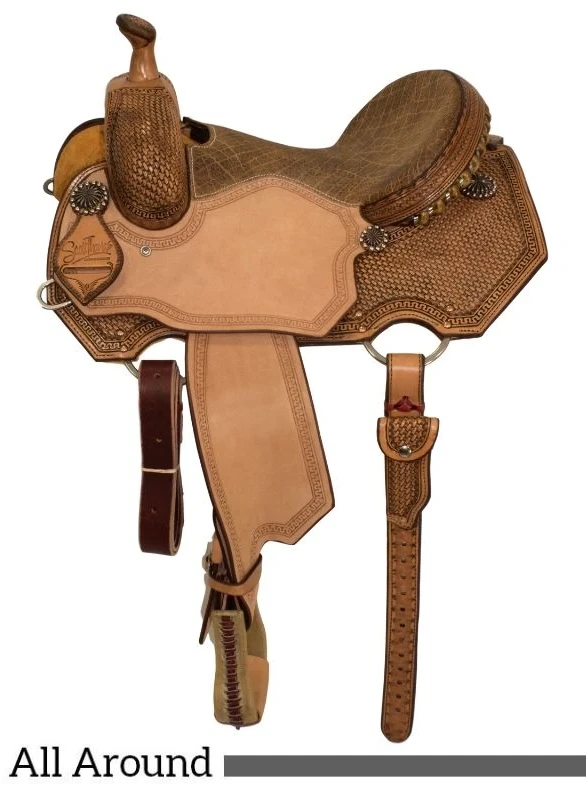
If you’ve ever wondered, “Can’t I just have one saddle to do a bit of everything?”, this is your best bet. Allaround saddles are designed for versatility. They work for light ranch work, modest speed events, trails, and even basic showing. For a new rider, they’re a really practical choice.
They’re not perfect for specialists—if you only race barrels or rope cattle, you’ll probably want a more focused type—but for learning and trying different things, allaround saddles hit a sweet spot. They let you participate in multiple activities without needing to own several saddles.
Western Pleasure Saddles
Made for showing and looking good in the ring. Western pleasure saddles have detailed tooling, silver or decorative hardware, and a lower horn (sometimes almost cosmetic). They’re usually lighter than ranch or roping saddles and are shaped for closer contact with the horse. Best for riders focused on show classes, exhibitions, or parade riding. Not what you want for heavyduty trail, ranch, or speed events. They just aren’t built for that kind of stress or wear, but they do look nextlevel cool in the show ring.
How To Choose The Right Western Saddle Type For Your Riding Goals
Start with your real life riding style. Think about what you’ll do most often, not what looks coolest or what you “might” do one day. Consider these key questions:
What Discipline Do You Actually Ride Most?
If you only trail ride on weekends, don’t invest in a heavy roping saddle. If you want to take lessons in barrel racing, look at a barrel saddle, even if you’re not competing yet. Your saddle should match the majority of your riding time so you get the most benefit out of your investment.
How Often Do You Ride?
If you ride every single day or spend hours in the saddle, prioritize long term comfort (for you and your horse) with a trail or ranch saddle. Occasional or casual riders might be fine with simpler, more affordable options like basic trail or allaround saddles. Daily riders need durability and support.
Comfort vs Performance: What Matters More to You?
Some saddles are built for comfort on long rides, others for quick maneuvers. Decide if you care more about being super comfy all day or having maximum performance for certain activities, and pick your saddle accordingly. Sometimes you might strike a balance with an allaround style, but it’s good to game plan for your actual use.
Common Beginner Mistakes When Choosing a Western Saddle
- Buying Based on Looks: Too many new riders get caught up in fancy tooled leather or extra silver. What matters much more is fit, balance, and intended use.
- Ignoring Saddle Tree Fit: The tree is what shapes the inside of the saddle. If it doesn’t fit your horse’s back (bar width, overall angle), nothing else will matter. Your horse will be uncomfortable, and you might see soreness or behavioral problems. Avoid this by learning about tree fit and getting a professional to doublecheck if you’re not sure. I explain tree width, bar angle, and common fitting mistakes inside my guide on “how to choose the right Western saddle.“
- Choosing the Wrong Seat Size: Seat size is not about your jeans size. It’s about how you fit into the saddle. Too small and it’s uncomfortable; too big and you’ll slide around. Most adult beginners are in the 15 to 16 inch range, but always try before you buy if you can.
- Overlooking Saddle Weight: Those 45 pound ranch saddles look cool, but can be a pain to actually saddle your horse with, especially if you’re not super tall or strong. Synthetic or lighterweight leather saddles can make daily tacking up a lot easier.
Does the Saddle Type Affect Your Horse’s Comfort?
Absolutely. The way a saddle fits is way more important for your horse’s comfort than what discipline it’s technically meant for. Size and distribution of pressure across the horse’s back really make a difference with everyday riding.
Why Tree Fit Matters More Than Discipline
Even if you buy the “right” style, if the tree is too narrow, wide, or the bars don’t match the slope of your horse’s back, you risk pinching, rocking, or creating pressure points. Poor fit can lead to bad behavior or soreness. Whenever possible, have your horse properly measured or use a guide like this fit guide from a reputable source so you can double-check for problems.
Signs a Saddle Type May Not Suit Your Horse
- White hair spots or swelling at the withers or back after riding
- Unusual resistance when saddling up
- Bucking, ear pinning, or “cold back” behavior under saddle
- Sores or chafing after rides
If you see any of these, hit pause and reevaluate your saddle choice and fit, or check out a full western saddle fit guide for more thorough details. Keeping an eye out for early signs of discomfort is smart horse care for any rider.
Final Thoughts: Start With Your Riding Style, Not Trends
Finding the right Western saddle as a beginner isn’t about picking the fanciest or most expensive option. Start by thinking about your real riding habits, prioritize fit and comfort for both you and your horse, and remember that professional fitting advice can make a world of difference.
When in doubt, a quality allaround or trail saddle gives most new riders a good start. No need to stress about trends or opinions at the tack shop. Taking your time and doing a little homework helps you and your horse stay happy out on the trail or in the arena.
If you ever feel confused or need more details, don’t hesitate to ask for help at your local tack shop or from a trusted riding instructor. Checking in with professionals can make your saddle search smoother and help you avoid costly mistakes.
Remember, the right fit for you and your horse is what matters most, so be patient as you shop around and try different options.
Before you make a purchase, take a few minutes to compare real options and see what actually fits your riding style. Start with my guide on how to choose the right Western saddle without hurting your horse or wasting money, then explore the best lightweight trail and beginner-friendly saddles so you can move forward with confidence instead of guesswork.
This article brought back good memories of growing up on the farm with the horses and good old fashioned Western Saddles. I found even as a child the western saddles were the most comfortable, and I always felt safer as there was a lot you could hold onto in case of an emergency.
However I had no idea there were so many different types and styles of western saddle until reading this article.
What saddle would you recommend to a child just learning to ride a pony? Would a western do?
Hi Michel. Thank you for sharing your fond memories. Your description of the good ‘ol days took me back there with you! As for your question: “What saddle would you recommend to a child just learning to ride a pony? Would a western do?”
For a child learning on a pony, a Western saddle can be a great choice. The deeper seat and overall design help kids feel more stable and confident, especially in the beginning.
The main thing to keep in mind is fit and situation:
If they’re riding lesson ponies, it’s best to use the barn’s saddle
If they have their own pony, a youth-sized Western saddle can work really well
Simple way to think about it:
Western = confidence and comfort early on
English = balance and progression later
So yes—Western absolutely works for beginners, and for many kids, it’s the easiest way to start feeling safe in the saddle. Hope this helps! Thanks again for stopping by.