If you’re new to barrel racing, picking the right saddle is a pretty big deal. A barrel racing saddle isn’t just about looking good in the arena. Your barrel saddle affects your balance, your horse’s comfort, and how well you can ride those tight turns.
The options can feel overwhelming, especially when you’re just getting started, so I’m here to break down the basics so you know exactly what to look for and what really matters.
Whether you’re stepping into your first competition or gearing up for fun gymkhanas, this guide should make saddle shopping way less stressful—and maybe even enjoyable.
What Makes a Barrel Racing Saddle Different?
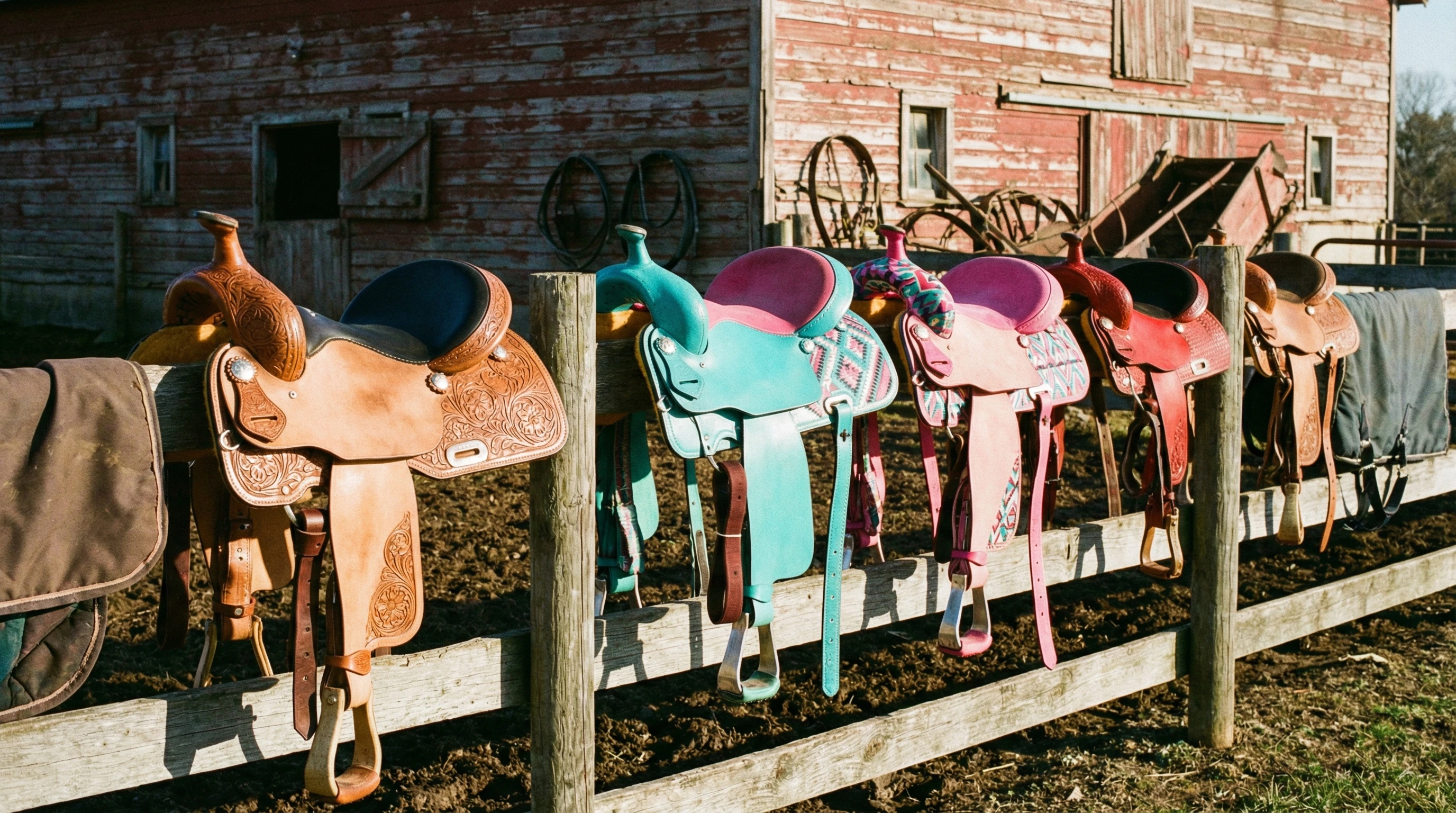
Barrel racing is all about speed, precision, and balance. The saddle you use is specifically designed to help you stay secure as your horse gets around barrels. Barrel saddles are lighter than most western saddles and have a deep seat that gives you more security.
High cantles and a tall horn help you really grip and hold on during sharp turns and quick sprints. Every detail, from the fenders to the stirrup position, is built to help you react fast and move with your horse.
Racing with a saddle made for another purpose can leave you feeling unstable, out of sync, or even make your horse uncomfortable. For both beginners and seasoned riders, investing in a true barrel racing saddle is a smart move.
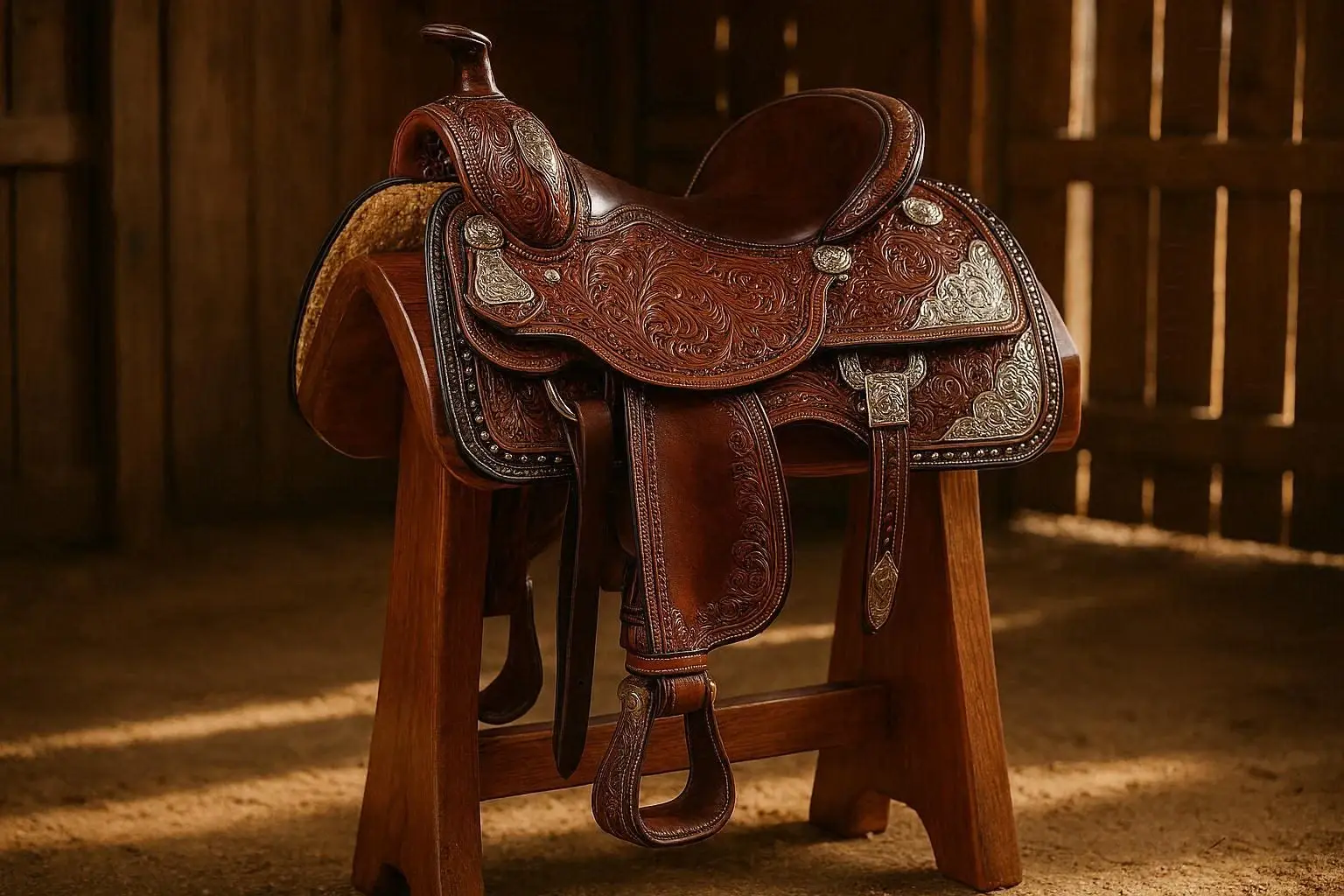
Key Features To Look For In a Barrel Racing Saddle
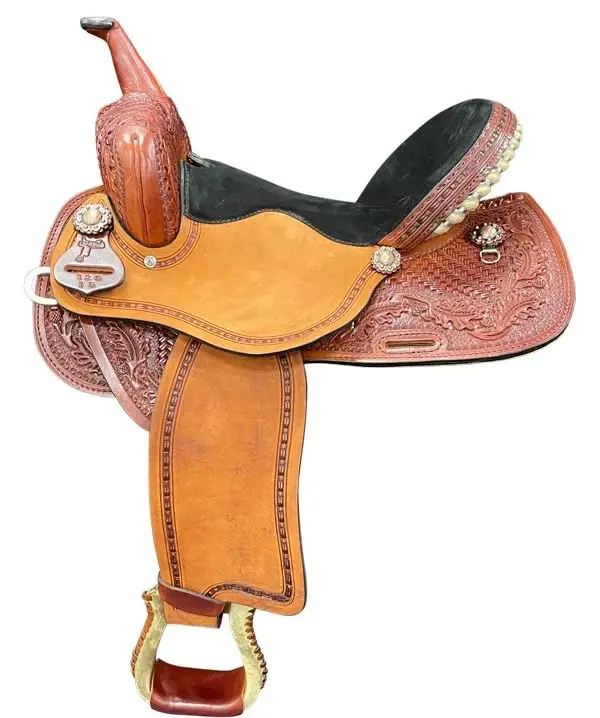
- Weight: Barrel saddles are usually lighter, which means your horse isn’t lugging extra pounds around the course. Most weigh about 20 to 30 pounds, which is helpful for both handling and performance.
- Seat Shape and Depth: A deep, narrow seat centers your weight and helps you stay anchored. The depth lets you really sit down and get those quick turns without feeling like you’re going to slide off.
- Cantle Height: Look for a higher cantle (the raised part at the back of the seat). It helps press you into the saddle so you won’t bounce or lose your seat during quick direction changes.
- Horn: The horn on a barrel saddle is tall and angled forward. It’s meant for grabbing during hard turns, giving you extra stability if you start to slide.
- Tree Fit: The tree is the internal framework. It needs to fit your horse’s back well to avoid rubbing, pinching, or slipping. Most barrel saddles come in semi quarter or full quarter horse bars, but it’s worth measuring your horse for the best fit.
- Skirt Design: Barrel saddles often have rounded skirts. The round shape lets your horse move more freely, especially on smaller or younger horses, and also makes the saddle lighter.
- Fender Position: The fenders (where the stirrups attach) are more forward set. That makes it easier to brace and balance quickly when your horse speeds up or slows down.
- Rigging: Look for single inskirt rigging. It keeps the saddle close to your horse for better contact, which means you’re less likely to get caught up during a tight turn.
Trying a few saddles before you choose one, if possible, is a good idea. You’ll notice how even small changes in seat depth, fender angle, or horn height make a difference in how secure and responsive you feel.
Additionally, don’t forget about the importance of stirrup leathers and padding. Well-designed stirrup leathers should swing freely, letting you adjust your leg position as your horse turns and accelerates.
Good padding, on the other hand, increases comfort for both horse and rider, especially during longer training sessions or when running multiple patterns in a day.
What Should I Look For When Shopping?
Even with all those features in mind, not every saddle will be right for every rider. Here are a few things I focus on when I’m helping someone pick their first barrel saddle:
- Fit for the Horse: This is the number one thing; a perfect saddle for you is useless if it doesn’t fit your horse. Check tree width, skirt length, and overall fit on your horse’s back. Look for even contact and check there’s no pinching at the shoulders or bridging across the back. If something feels off, it’s worth consulting a knowledgeable friend or professional.
- Fit for the Rider: You should feel balanced, not cramped or stretched out. Test the seat. You want about a hand’s width behind you when you sit down. Your knees should be comfortable, not forced too far forward or back. Also, make sure your legs hang naturally for good posture and control.
- Quality of Leather and Hardware: Softer, flexible leather breaks in quicker, while thicker leather lasts longer. Check all hardware (conchos, rigging, stirrups) to ensure it’s heavyduty and not on the verge of breaking.
- Stitching and Construction: Even, strong stitching holds up better. Cheap stitching or glued seams wear out quickly, especially under the stress of barrel racing moves.
- Personal Tastes: Some people like bold designs with glitter or colorful seat inlays; others prefer traditional tooling. Your personal style counts, and it’s totally fair game in barrel racing.
Additionally, don’t be afraid to sit in several saddles when shopping, and if possible, try them on your horse. A saddle might feel great in the store but could fit differently on your horse’s back.
Should I Buy New Or Used?
There’s no single right answer—both new and used saddles come with their own pros and cons. Here’s my take on each:
Buying New:
- You get the latest designs, colors, and customizations. Some brands let you pick everything from the leather pattern to the seat material and concho style.
- No hidden wear or repairs, so it’ll probably last longer, especially if you take care of it right from the start.
- New saddles are more expensive, usually ranging from $800 to $2,500 or more for well-known brands like Circle Y, Martin, or Double J. Entry level but reliable options from brands like Wintec or Silver Royal sometimes cost less but may give up some durability or features.
Buying Used:
- You’ll pay a lot less, sometimes getting a saddle for half the price of new. This makes it easier if you’re still figuring out what you like or aren’t ready for a big investment.
- Wellused saddles are already broken in, which is nice if you don’t want a long break-in period that can sometimes be uncomfortable.
- Watch out for worn trees, twisted fenders, or loose stitching. Ask for lots of photos or, even better, inspect in person. Pay extra attention to the tree; if it’s cracked or warped, skip that saddle.
Careful research helps buyers make better decisions, and if you’re unsure, check in with a local saddle shop to look over a used saddle before buying.
Well-Known Barrel Racing Saddle Brands
Some brands have built a reputation for building saddles that hold up to the demands of barrel racers. Here are some brands worth checking out if you want a saddle that’ll last and help you perform your best:
- Circle Y Saddles: A super popular choice for pros and beginners alike. They offer a lot of options for seat depth, rigging, and designs. Their saddles range from entry level to high-end custom builds.
- Martin Saddlery: Known for premium materials and solid craftsmanship. Martin saddles fit horses well and hold up in tough conditions, which is why so many competitors stick with them.
- Double J Saddlery: Famous for colorful seat designs, unique tooling, and secure fit. These aren’t the most affordable, but riders appreciate the attention to detail and comfort.
- Tex Tan: A trusted name for decades, Tex Tan makes reliable, sturdy saddles that are easier on the budget but still designed with barrel racing in mind.
- JoseyMitchell Saddles (Reinsman): Designed with help from barrel legend Martha Josey, these are super friendly for beginners and intermediate riders. They focus on balance and seat security.
- HR Saddles, Pro Rider, Wintec, and Billy Cook: Other brands that regularly pop up at events. Wintec stands out for their synthetic saddles—they’re lighter and weather-resistant, but not everyone loves the synthetic feel.
Shopping for reputable brands makes it easier to find replacement parts, expert fit advice, and keeps up the resale value if you want to upgrade eventually. Reading reviews and talking to experienced barrel racers can help guide your decision about which brand fits your needs.
What’s the Price Range for Barrel Racing Saddles?
Prices can really vary, depending on materials, craftsmanship, and brand. Here’s a general guideline:
- Basic or Starter Saddles: $350 to $700. These are usually mass produced or imported. Build quality ranges, and you may need to upgrade sooner if you ride often.
- MidRange Brands (Circle Y, Tex Tan, Billy Cook): $800 to $1,500. Most beginners find a great fit in this range, especially if competing is on your radar.
- Custom or Premium Saddles (Martin, Double J): $2,000 and up. Here you pay for top-end leather, custom designs, and the chance to get a saddle shaped especially for you and your horse.
Keep in mind to budget for accessories too. A good pad, breast collar, and high-quality cinch can make a big difference for your horse’s comfort and your success in the arena.
Common Barrel Racing Saddle Questions
Below are answers to questions I often get from beginners, based on what I’ve seen from years of riding and helping at events:
How should the saddle fit my horse?
The saddle bars need to rest evenly along your horse’s back, with no pinching up front or gaps in the middle. Try running your hand under the skirt and bars—if you feel smooth, even contact, you’re off to a good start.
What seat size works for most adults?
Most adults ride in a 14” or 15” barrel saddle seat, but the best way to find your size is to actually sit in the saddle. Having about a hand’s width behind you means you’re close to the right fit.
Should I choose leather or synthetic?
Synthetic saddles (think Wintec) are lighter, can handle rain, and break in quickly. Leather saddles have more longevity and mold to your shape with time, but you’ll need to keep up with cleaning and oiling to maintain them.
What should I check when buying a used saddle?
Check the tree carefully (if anything moves, it might be cracked), look for loose stitching, cracked leather, and make sure the rigging is strong. If the saddle is floppy or warped, it’s time to walk away.
Is it okay to compete with a starter or off-brand saddle?
For beginner or local events, a starter or less expensive saddle will get the job done as long as it fits you and your horse well. As you gain experience and ride more, you might want to upgrade for comfort and performance. Just make sure the saddle is solid, safe, and doesn’t pinch or rub your horse anywhere.
Final Thoughts
Picking a barrel racing saddle for the first time can seem overwhelming, but focusing on fit, comfort, and trusted brands will help narrow down the choices.
Understanding the basics, trying out several saddles, and looking closely for warning signs (especially on used models), will set you and your horse up for success from the start.
Barrel racing is supposed to be fun, not stressful. A saddle that fits and feels good means you can focus on having a blast while leveling up your riding skills.
Don’t hesitate to ask seasoned riders for advice, and be patient as you find what works best for you and your horse—most folks are happy to help newcomers get started with the right gear. Good luck in the arena, and enjoy the ride!
Did you find this post helpful? If so, I’d love to hear your comments below!
This guide is really thorough and makes the process of choosing a barrel racing saddle much less intimidating for beginners. I appreciate how it breaks down the key features like seat depth, cantle height, and tree fit, which are crucial for both rider stability and the horse’s comfort. I’m curious, for someone just starting out, how would you recommend testing different saddle types to find the best fit without overwhelming the horse or rider during the process?
That’s a great question—and a smart way to think about saddle fit from the very beginning.
For someone just starting out in barrel racing, I usually recommend a slow, simple, and structured approach to testing saddles so neither the horse nor the rider gets overwhelmed.
Start by limiting the number of saddles you try. Two or three well-chosen options is plenty. Look for beginner-friendly barrel saddles with features like a moderate seat depth, lighter weight, and a more forgiving tree, rather than extreme performance models designed for advanced riders.
Before riding, always do a static fit check. Set the saddle on the horse without a pad and look at overall balance, bar contact, and wither clearance. A saddle that looks obviously off at a standstill usually won’t improve under motion.
When you do ride, keep sessions short and low-pressure. Walk and trot first—no need to run barrels right away. Pay attention to how freely the horse moves and whether you feel centered and secure. Early signs like pinned ears, hollowing, or resistance can tell you a lot before soreness ever develops.
It also helps to use a consistent pad during testing so you’re not changing too many variables at once. And if possible, try saddles through a shop or brand with a trial or exchange policy, which takes the pressure off having to “get it right” immediately.
Finally, give both horse and rider time between trials. Spacing rides out over a few days helps you notice real differences in comfort and performance rather than reacting to fatigue.
The goal early on isn’t perfection—it’s finding a saddle that allows the horse to move comfortably and helps the rider feel balanced and confident while they’re learning. I hope this is helpful.