
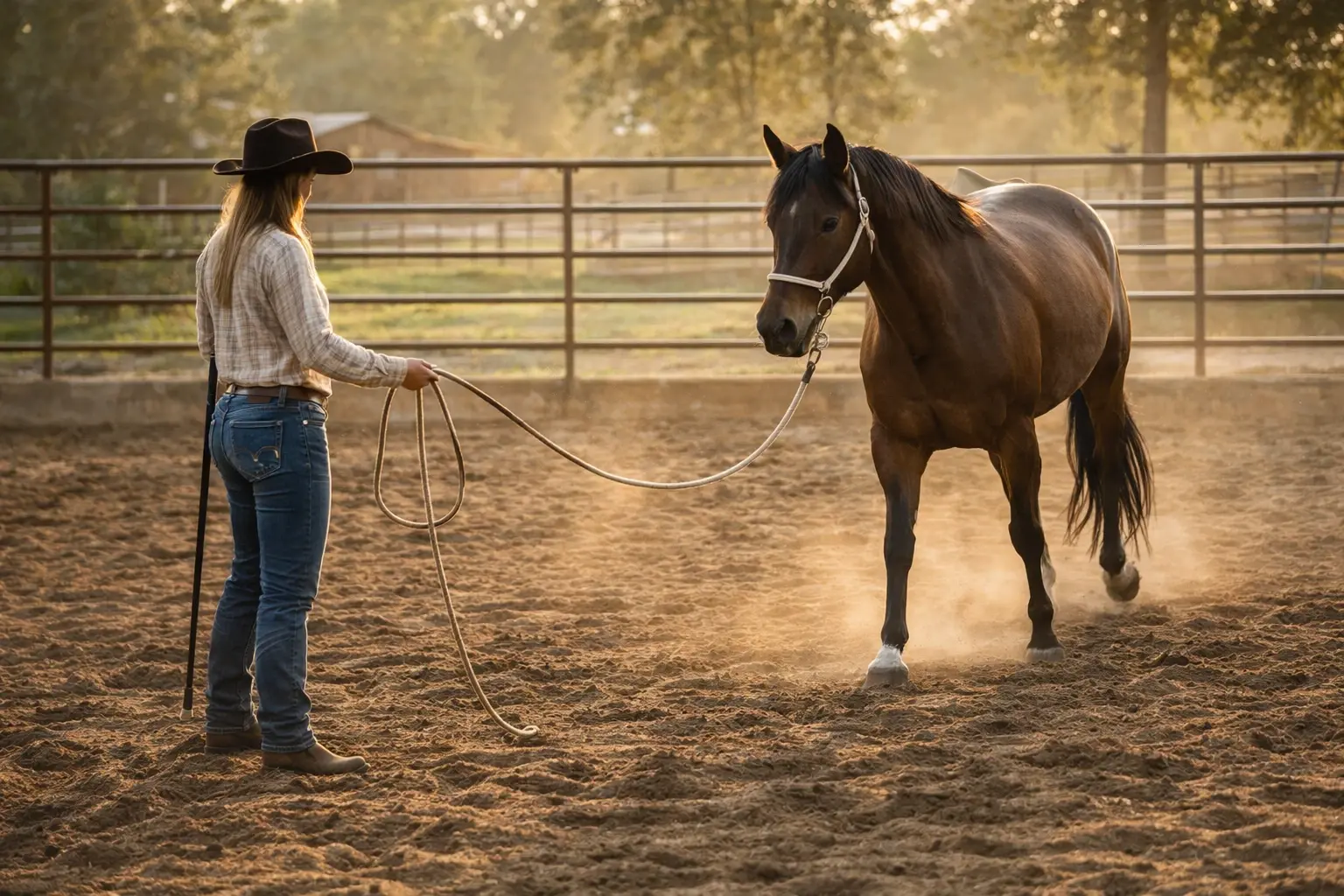
If you’re thinking about training your first Western horse, it’s completely normal to feel a mix of excitement and a little nervous energy. Taking on the responsibility of shaping a horse’s behavior can seem intimidating at first, especially if you don’t have years of training experience.
The good news is that with patience, consistency, and the right approach, you can absolutely help your horse become calm, responsive, and enjoyable to ride. In this guide, I’ll walk you through practical steps to get started, the equipment that can make the process easier, and a few lessons I wish I had known earlier.
If you’re still deciding what type of horse works best for Western riding, you may also want to read my guide on how to choose the right horse for Western riding.
As a quick note for transparency, some links on this website are affiliate links. If you choose to make a purchase through them, I will earn a small commission at no additional cost to you. This helps support HorseSaddleComparison.com and allows me to continue providing honest Western saddle reviews and comparisons.
What to Expect When Training Your First Western Horse
Jumping into Western horse training isn’t quite like what you might see in movies where everything seems to work perfectly in a single afternoon. It takes time, patience, and a willingness to learn just as much as your horse will.
If your main goal is to develop a partnership based on trust and responsiveness, focusing on the basics is the best starting place. Getting familiar with how Western riding differs from other styles helps set more realistic expectations for your first training adventure.
How Western horse training differs from other riding styles
Western riding stands out from English riding in quite a few ways. The saddles are different and generally larger. If you’re still learning about Western tack, my guide on how to choose the best Western saddle for beginners breaks down the saddle styles most new riders start with. Western training focuses more on loose rein cues and encourages the horse to work calmly at a slower pace.
The horse should learn to neck rein, stop on voice or seat cues, and generally keep a relaxed, low head. You won’t see as much posting to the trot or a focus on collection early on.
Instead, you’re building a horse that’s easy to control in big spaces, like ranch pastures or show arenas. With Western training, the philosophy leans toward allowing the horse to think things through and find balance independently, which helps create a steady and confident animal over time.
Why patience and consistency matter more than speed
It’s tempting to hurry through the process, but horses learn best when they feel safe and know what to expect. Small amounts of consistent training add up fast. If you find yourself rushing or getting frustrated, that feeling passes on to your horse.
I’ve found that even setting aside 15-20 minutes a few days a week makes a bigger impact than trying to cram in hours of training on the weekend. Tracking progress with short, regular sessions makes learning more fun and builds your horse’s confidence piece by piece.
Consistency also helps cement new skills and prevents old habits from creeping back in.
Before You Start Training Your First Western Horse
A smooth training process depends a lot on what you have in place before you start. Here are the basics you’ll want to cover:
Choosing the right environment for early training
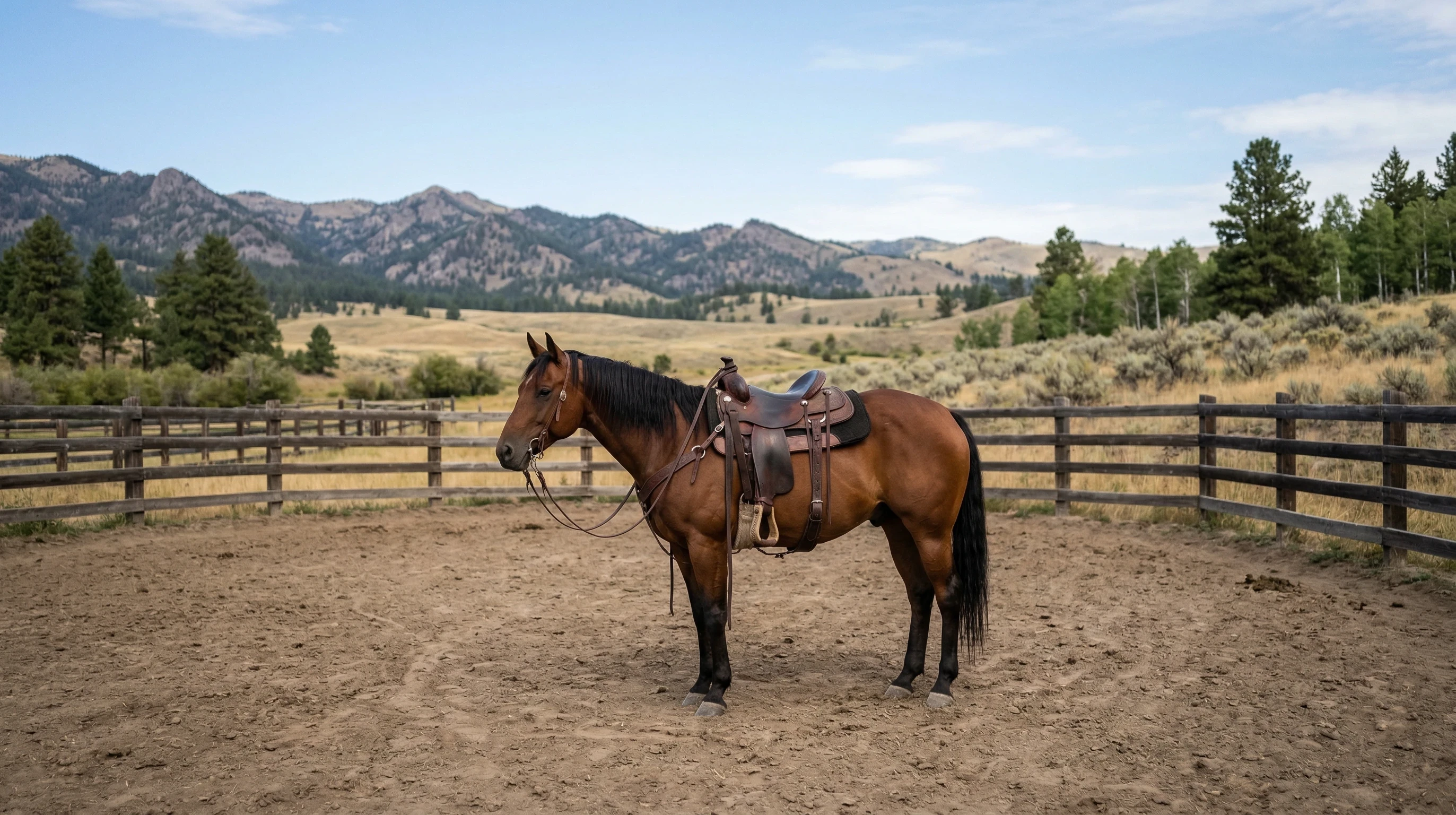
Pick a quiet, safe area where your horse won’t get spooked by loud noises or distractions. A round pen or small paddock works great since it keeps the horse close and gives you more control. Make sure fences are safe and there aren’t any loose objects that could trip you or your horse up.
Avoid spots near heavy traffic or barking dogs so your horse can focus on you during each session.
Essential equipment for training a Western horse
You don’t need tons of expensive gear. This is what I use regularly:
- Halter and lead rope: Soft, well-fitted gear lets you guide your horse safely.
- Training stick or flag: Useful for groundwork when you want to get your horse’s attention or reinforce your space.
- Quality Western saddle and saddle pad: These don’t have to break the bank, but safety is non-negotiable. If you’re still comparing saddle options, you can also explore my guide to the best Western trail saddles for endurance riding, which covers comfortable options many riders start with.
- Simple bridle and snaffle bit: Go with a basic, gentle option to start.
- Helmet for you, boots for both: Comfort and safety up top and at the hooves.
Some riders like to add a lunge line or soft rope for extra groundwork exercises. Always double-check your equipment for signs of wear before heading out.
Why proper saddle fit matters during training
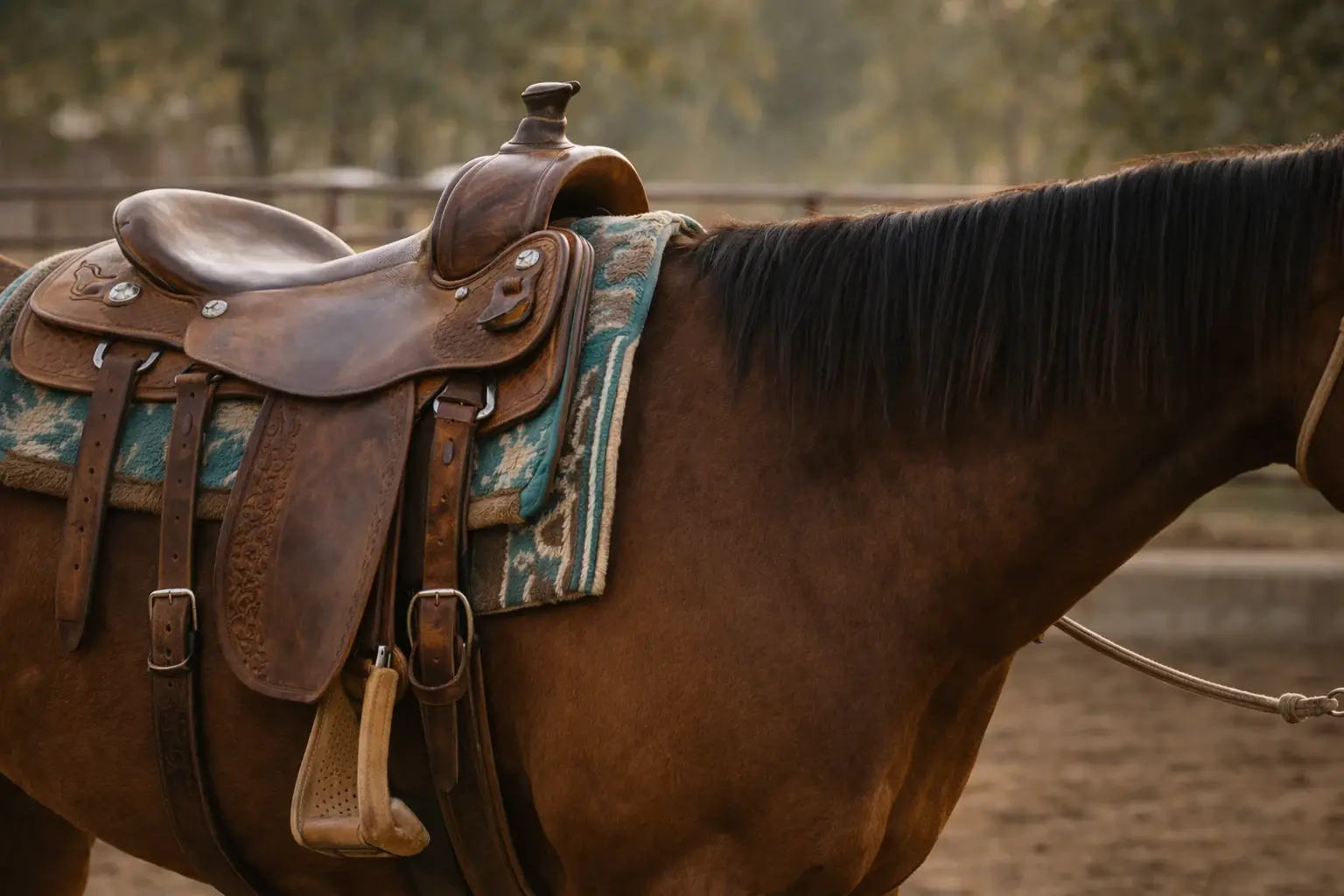
A bad fitting saddle can turn a calm horse cranky in minutes. Pressure points, pinching, and rubbing make your horse uncomfortable, and there’s really no good training that comes from pain or irritation. If you’re not sure about saddle fit, I recommend reading my guide on how to choose the best Western saddles for Quarter Horses, where I explain how tree shape and fit affect your horse’s comfort.
Groundwork Basics When Training Your First Western Horse
Before hopping in the saddle, groundwork is where everything starts. It builds respect and safety between you and your horse. These exercises help your horse understand your cues before you ever climb on.
Once your horse is comfortable with groundwork, many riders start preparing for trail riding, which is why saddle comfort becomes so important. I talk more about that in my guide to the best Western trail saddles for endurance riding. They’re also the building blocks for future under saddle work.
Teaching your horse to lead calmly
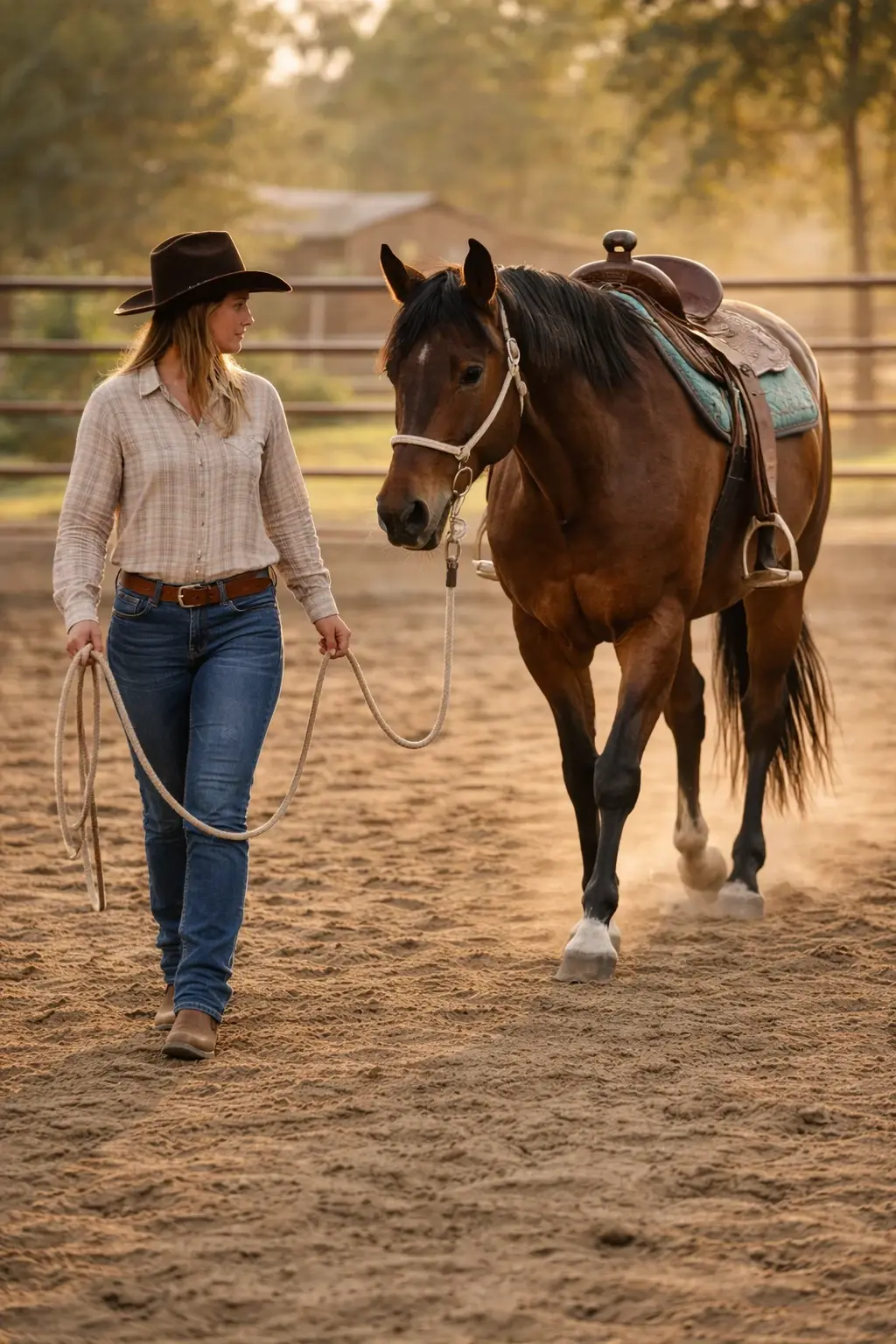
Leading is the easiest place to start. Practice asking your horse to walk with you without pulling away or getting distracted. Stop, ask for a few steps backward, or have your horse yield its hindquarters. Keep your energy calm, and reward quiet, attentive responses. If your horse gets ahead of you, carry a soft stick or flag to gently remind them to slow down.
Building respect and personal space
Personal space matters for both handler and horse safety. Use your body language and gentle guidance to show your horse not to crowd, bump, or nip. If your horse gets pushy, guide it back and start again. Being gentle but clear right now saves headaches later under saddle. Consistency when asking for space helps your horse set healthy boundaries and makes future handling easier.
Introducing basic commands from the ground
Ground commands like “whoa,” “walk on,” and “back” are super useful. I like to pair each verbal cue with a gentle physical cue, so my horse learns from both sound and feel. Practice in short spurts, ending on a good note to keep your horse willing. Over time, you can check out more advanced groundwork exercises as your horse gains confidence and skill.
Riding Basics for Training Your First Western Horse
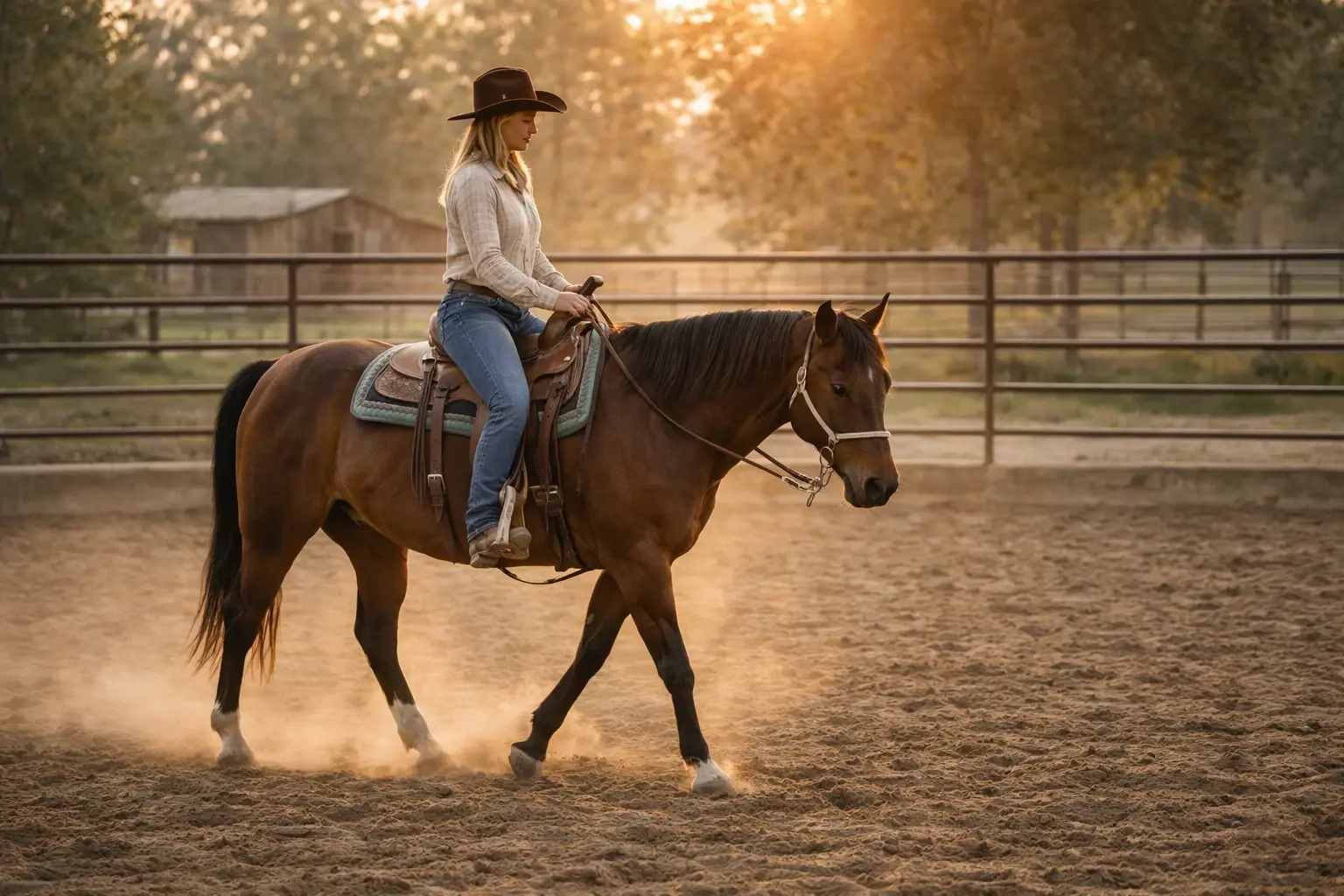
Once groundwork feels easy and relaxed, you’re ready for the saddle. Slow and steady wins here too. Remember that horses, especially young or new ones, may need several sessions to adjust to the feel and balance of a rider.
Teaching your horse to stop and move forward
The first under saddle lessons usually involve standing still, walking on, and stopping. I use voice cues along with my seat and reins. Ask for a walk with a gentle squeeze, then say “whoa” and sit deep in the saddle when you want to stop. Reward quick, soft responses with a scratch or a moment to rest. If your horse seems uncertain, always go back to basics and practice patience.
Developing soft rein contact
Western horses usually work on a looser rein than English horses, but they still need to listen to rein cues. Keep a relaxed rein, but practice gently picking up the contact to ask for small stops or slowdowns. Avoid yanking—think about a soft feel in your hands and your horse’s mouth. Offer plenty of praise and allow your horse to stretch when they respond well to a cue.
Practicing simple turns and direction changes
Start with big, easy turns using gentle neck reining or opening the direct rein. Reward good tries, and don’t expect instant perfection. Lots of slow circles, figure eights, and serpentines help your horse get used to your cues and develop balance with a rider. Practicing these maneuvers builds up muscle and encourages the horse to think through what you’re asking without rushing.
Common Mistakes When Training Your First Western Horse
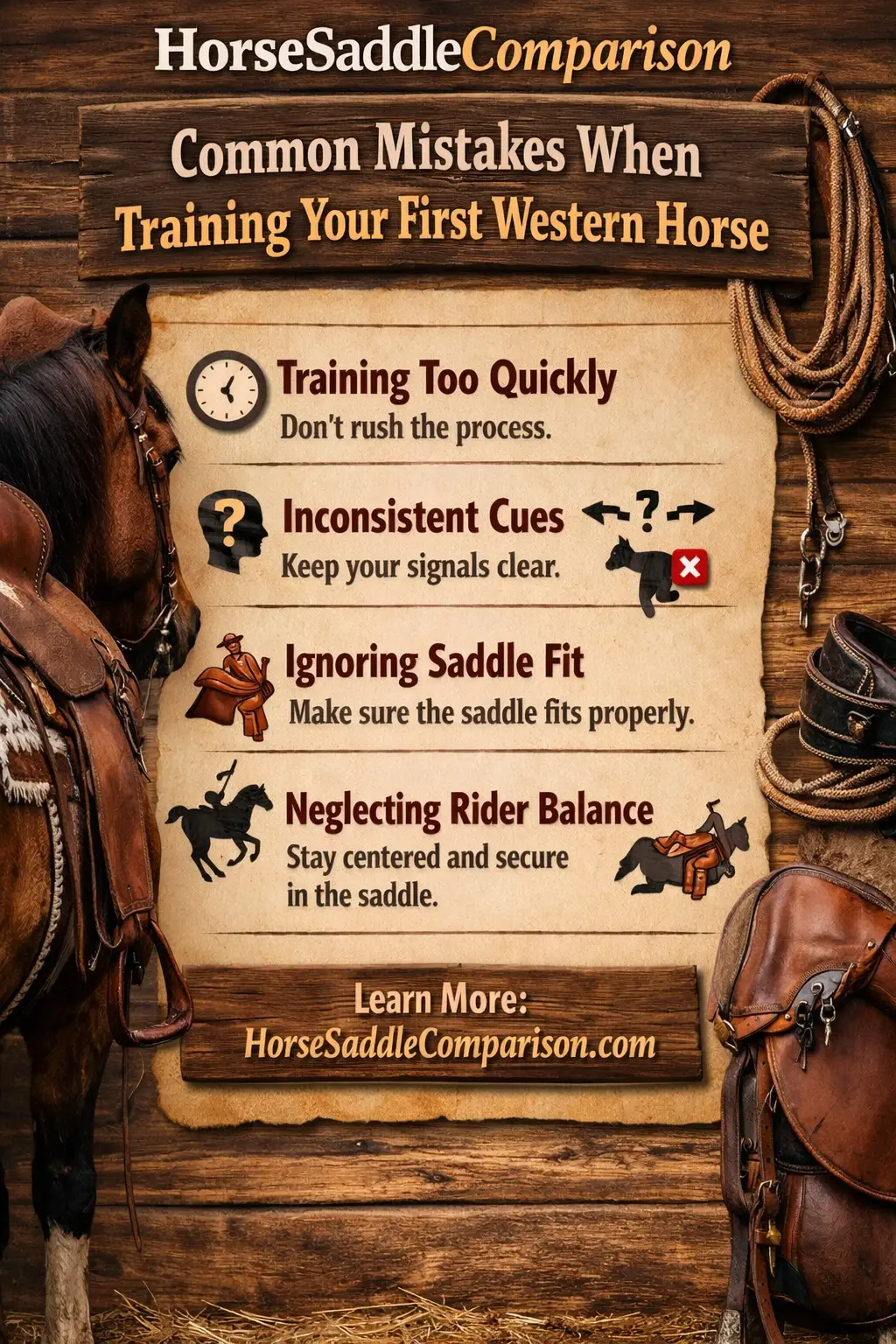
Everyone messes up now and again, but some slip-ups pop up more often with new trainers. Keeping an eye out for these mistakes can help you avoid potential setbacks.
Training too quickly
Horses need repetition and time to let things sink in. If you ask for too much at once, like long rides or hard stops, your horse may get tense or confused. Small steps, repeated often, help prevent this. Giving your horse time to process new lessons creates a more willing and happy partner.
Inconsistent cues
Saying “whoa” one day and pulling hard the next sends mixed signals. Keeping your cues the same every session pays off big time. It keeps your horse more relaxed and helps them pick up new skills faster. If you need a refresher, jot down what cues you use so you can stick with them each time.
Ignoring saddle fit and rider balance
Bad saddle fit doesn’t just cause soreness; it can lead to all sorts of training issues that really come from pain. If you’re unsure whether your saddle might be causing discomfort, my article on best Western trail saddles for endurance riding explains the types of saddles designed for long hours of riding.
The same goes for your own riding. If you’re bouncing or off-balance, the horse feels it and might start speeding up or resisting. Making sure your equipment and skills match up really helps, so don’t hesitate to ask a more experienced friend or trainer for a few pointers every now and then.
How Long It Takes to Train Your First Western Horse
Realistic expectations for beginner trainers
Most horses aren’t finished in a couple of weeks. Building all the basics can easily take months, especially if you’re learning too. Two or three sessions a week, focusing on one new skill at a time, often gives steady progress. Taking breaks helps avoid burnout for you and your horse. Give yourself the grace to go back and review things whenever needed, and don’t compare your progress to others.
Signs your horse is progressing
A calm, curious attitude is the best sign you’re on the right track. If your horse seems relaxed, walks alongside willingly, and tries to respond to new requests, you’re building trust. If you have setbacks some days, that’s totally normal. Just go back to the basics and keep moving forward. Track small wins, like easier saddling or smoother turns, to see just how far you’ve both come.
Final Thoughts on Training Your First Western Horse
Working with your first Western horse is a huge learning curve, but it’s also one of the most rewarding experiences out there. You don’t have to be perfect, just patient, consistent, and willing to put in the time. Every little bit of progress, even on tough days, adds up to a stronger partnership in the long run. You’ll stumble upon new tricks, learn from small mistakes, and build memories that make every challenge worthwhile.
If you’re still comparing saddles, you can start with my guide to how to choose the best Western saddle for beginners, which explains the features new riders should look for.
Being interested in owning a horse of my very own one day, I have been reading up on how to manage a horse and choose the best products such as saddles to be prepared.
I found you sharing how patience is a key to training a new horse, it was nice that you included a link to your article on choosing the best saddle.
The essential equipment is a great addition to your article, being new this is extremely helpful to know what I actually need to shop for before beginning training.
Your step-by-step guide on training has made it extremely easy to get started, before reading your article I had no idea how to train a new horse or choose the right saddle.
Thank you for sharing
Jeff
Hi Jeff, thank you so much—that really means a lot.
You’re absolutely on the right track by learning before you own a horse. That alone puts you ahead of most first-time owners. And yes—patience really is everything, especially in the beginning when a horse is still figuring you out.
I’m glad the equipment section helped too. A lot of people either overbuy or miss key basics, so having a simple, practical starting list makes things way less overwhelming.
When you do get closer to owning your first horse, just remember—fit (both saddle and horse-to-rider match) matters more than brand or price. A well-fitting saddle and a calm, consistent approach will take you much further than anything fancy.
Excited for you—you’re setting yourself up the right way already