
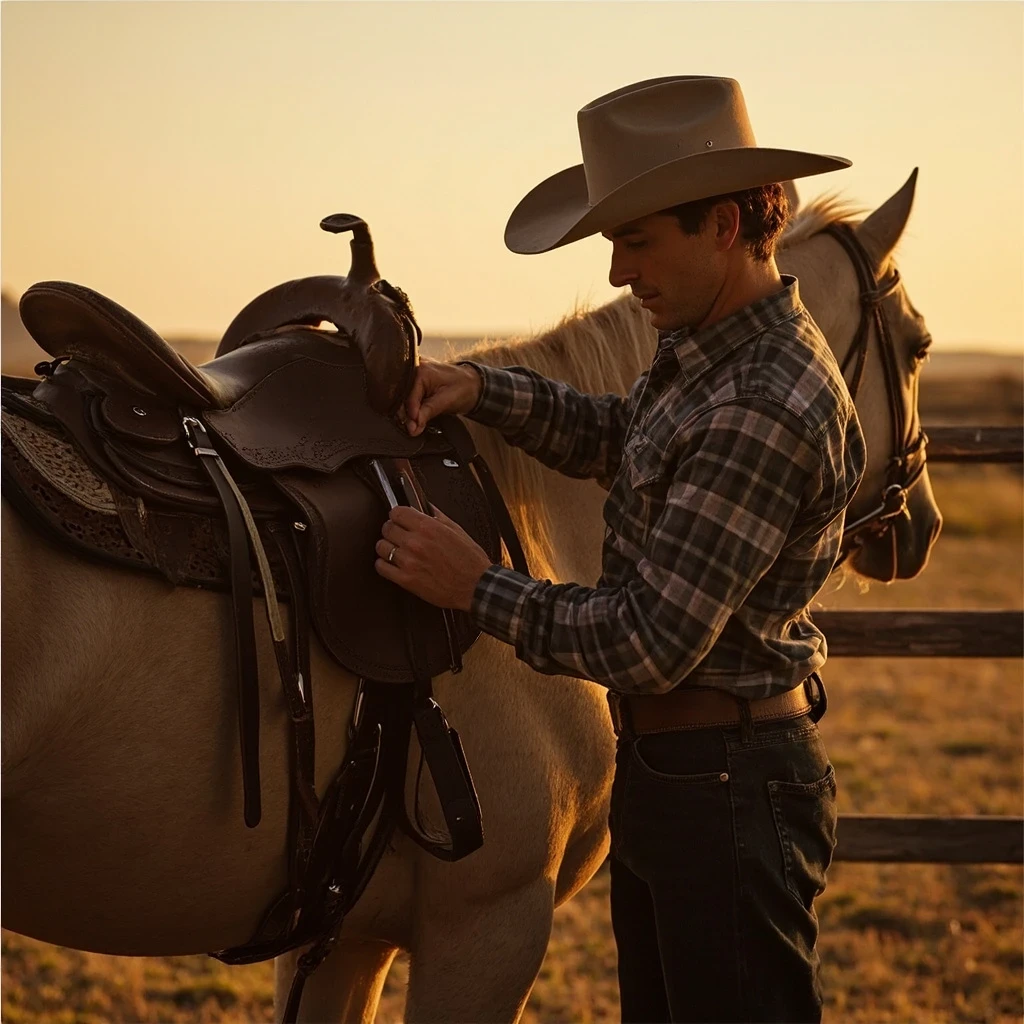
Figuring out saddle fit can be a real headache, especially if you’re new to riding or you just picked up a used saddle. Maybe your horse seems crankier than usual, or you keep shifting around to stay balanced.
It’s a pretty common struggle for everyone from trail riders and barrel racers to anyone who just switched horses but kept their favorite saddle. Knowing the signs of poor fit saves a lot of stress (and money), and makes sure your horse stays happy on every ride.
Just a quick heads-up for transparency: this article may include affiliate links. If you choose to buy through one of them, I may earn a small commission at no extra cost to you. It helps support HorseSaddleComparison.com so I can keep creating helpful resources for riders.
Why Proper Saddle Fit Matters for Horse and Rider
Getting saddle fit right means a smoother ride for you and a healthier back for your horse. The whole point is comfort, safety, and protecting your horse’s body; no matter whether you’re trail riding all day or heading to a show.
Even a pricey saddle can cause problems if it’s not suited to your horse’s back shape. Ignoring saddle fit puts both horse and rider at risk for soreness, poor performance, and lingering health issues.
Riders who pay attention to fit help prevent a lot of unnecessary trips to the vet and chiropractor, while also keeping themselves more comfortable during long days in the saddle.
How a Poor Fit Affects Your Horse
A saddle that’s too tight, too loose, or the wrong shape causes pain and makes your horse move stiffly. Over time, bad saddle fit can even cause muscle damage and behavior changes.
Your horse might resist saddling, act out under the saddle, or simply tune out during rides because they’re uncomfortable. Horses are naturally forgiving, but persistent discomfort eventually surfaces in the form of sore backs, grumpy moments, or unwillingness to move forward. Pay attention to even the smallest changes in behavior—they’re often the first clue things need to be checked.
How It Affects You as the Rider
If your saddle isn’t sitting right, you’ll notice it too. You might feel off balance, start to develop aches in your hips or lower back, or find that your legs don’t sit evenly against your horse. This makes it tricky to maintain a good position, which gets tiring fast and can even make you doubt your riding skills.
Whether you’re schooling young horses or enjoying quiet hacks, an ill-fitting saddle keeps you from focusing fully on communication and partnership with your horse. If you notice you keep readjusting your position, consider whether your saddle needs a check-up too.
Behavioral Signs Your Saddle Doesn’t Fit
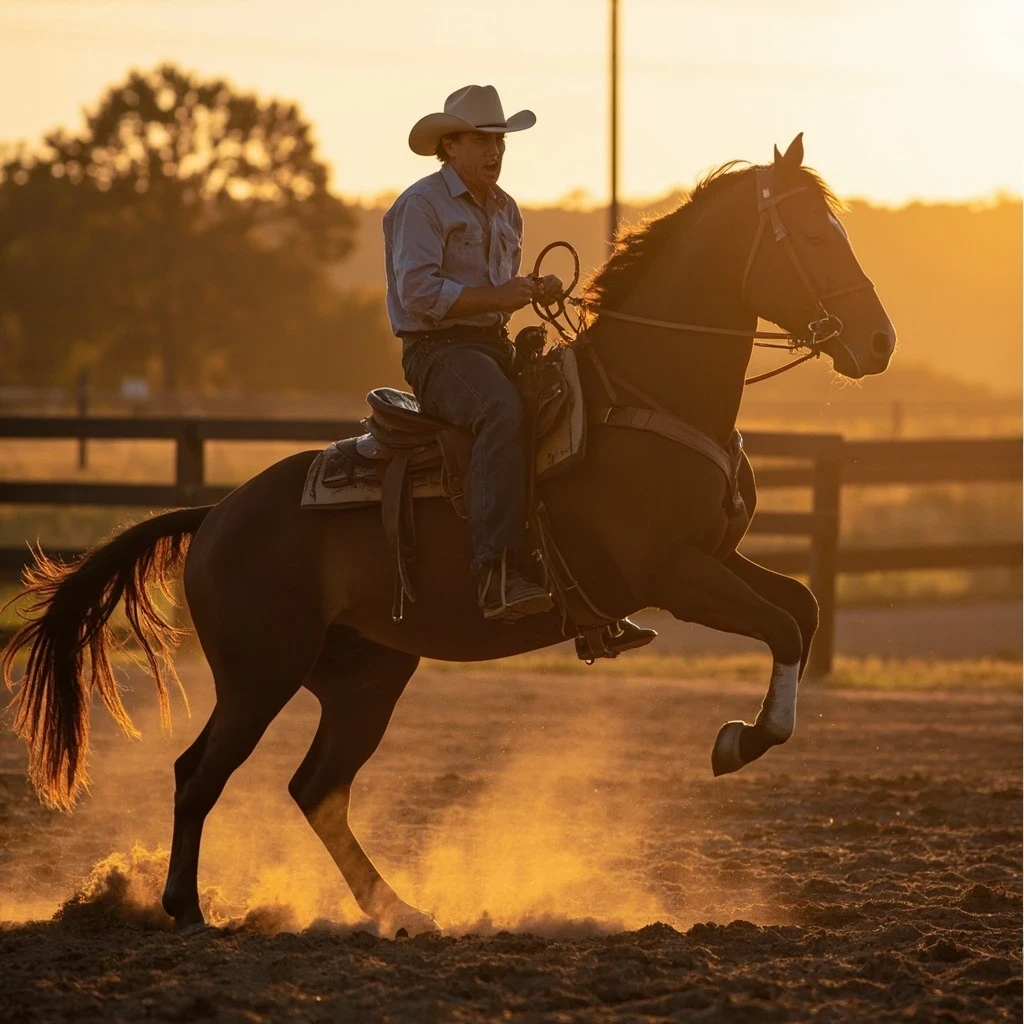
When a horse suddenly refuses to cooperate, it’s easy to blame training or a “bad attitude.” But lots of resistance actually comes from discomfort. Watching your horse’s reactions during saddling or riding tells you a lot about how the saddle is sitting.
It’s important to check each time, especially as horses’ bodies and muscles change shape over the course of the year, or with changes in riding schedule and nutrition.
Pinning Ears or Moving Away When Saddled
If your horse pins their ears, swishes their tail, or steps away when you bring out the saddle, that’s a hint. They’re not being “difficult.” They’re probably telling you the saddle is uncomfortable. The simple act of shifting their weight, clamping their tail tightly, or even holding their breath around the saddle pad can offer valuable information to a rider who pays attention.
Bucking, Crow Hopping, or Refusing to Move Forward
Bucking or crow hopping—even little hops—often points to pain from pinching or pressure under the saddle. Suddenly refusing to move forward is another classic sign that something doesn’t feel right to your horse. This can happen at the beginning of a ride or when asked to do certain gaits or maneuvers. Keep an eye out for new resistance or dramatic reactions.
Sudden Resistance During Rides
Some horses balk, stop suddenly, toss their heads, or even back up instead of moving forward. If this happens out of the blue (especially if your horse is usually pretty easy), saddle fit should be on your list of possible reasons. Look back at when the resistance started, and whether it matches new routines, changes in workload, or different tack.
Sour Attitude or Tail Swishing
A horse that’s constantly flicking or wringing its tail during saddling or riding might be annoyed, frustrated, or downright hurting. Watch for frustration, grumpiness, or a generally “sour” attitude right before or during rides. Some horses will stomp or fidget more frequently than usual, or become harder to catch in pasture—all red flags that shouldn’t be ignored.
Physical Signs of Poor Saddle Fit on Your Horse
After a ride, take a close look at your horse’s back and the area under the saddle. Visual cues can say more than words. Here’s what to check:
White Hairs Appearing Under the Saddle Area
White patches (sometimes called “pressure marks”) crop up over time where the saddle pushes too hard on one spot. They usually appear at the withers, along the spine, or under the saddle’s bars. These hair changes are a big red flag for long-term pressure. Sometimes you might also notice thinning of the hair or bald spots in severe cases.
Dry Spots or Uneven Sweat Patterns
After your ride, pull the saddle and feel for dry spots surrounded by sweaty areas. Uneven sweat means the saddle isn’t spreading your weight evenly across the horse’s back. This leads to hot spots and eventually sore muscles. A well-fitting saddle will leave a mostly even, subtle moisture pattern under the pad, while problem areas show as very sweaty (or completely dry) patches.
Soreness When You Press Along the Back
Gently run your hands over the saddle area, using soft pressure. If your horse flinches, sinks away, or tries to nip, that’s a clear sign of discomfort; especially around the withers or behind the shoulders. Even mild sensitivity, if it’s new, should not be dismissed. In addition to soreness, look for subtle muscle atrophy or asymmetry over time, as these can be signs of chronic poor fit.
Swelling or Heat After Riding
Warmth and puffiness after you remove the saddle usually means the bars or tree are digging in. Swelling gets worse over time and can even lead to muscle bruising if not addressed soon. Always use the palm of your hand to feel for any “hot” areas after each ride, and don’t ignore new bumps, bruises, or swelling along the spine or shoulder.
Signs You Feel in the Saddle
It’s not just about your horse—riders experience the effects of a poorly fitting saddle too. Your own discomfort hints at possible fit issues. While it’s normal to be a little sore after long hours, regular pain or a sudden change can signal trouble.
Feeling Tipped Forward or Backward
If you’re always fighting the urge to fall forward onto your horse’s neck, or you keep sliding back towards the cantle, the saddle’s balance is probably off. The wrong tree size or seat balance can cause this sensation. You shouldn’t need to constantly grip with your legs just to stay centered in the seat.
Constantly Fighting for Balance
Sometimes it’s hard to put your finger on it, but if you can’t relax into your seat, or you feel wobbly or shaky even at a walk, saddle fit might be to blame. An uneven or twisted saddle may also leave you feeling awkward, especially during transitions or tight turns.
Stirrup Length Feeling “Off”
When the saddle doesn’t match your horse’s build, stirrups hang at odd angles. You might find one stirrup feels longer than the other, or your leg wants to swing forward or back. Double check stirrup leathers and their placement, but if there’s no obvious tack issue, the saddle’s tree or panel symmetry might not match your horse. This can make certain movements awkward or leave your knees sore.
Lower Back or Hip Pain After Riding
Ongoing lower back pain, hip strain, or tingling legs after every ride? That’s a hint your pelvis and hips aren’t being supported by the saddle’s seat—often a sign the tree width or shape doesn’t match your horse. If you’re finding yourself “hollowing out” your lower back or standing in the stirrups for relief, saddle fit should be checked sooner rather than later.
How to Check Saddle Fit at Home (Basic Assessment)
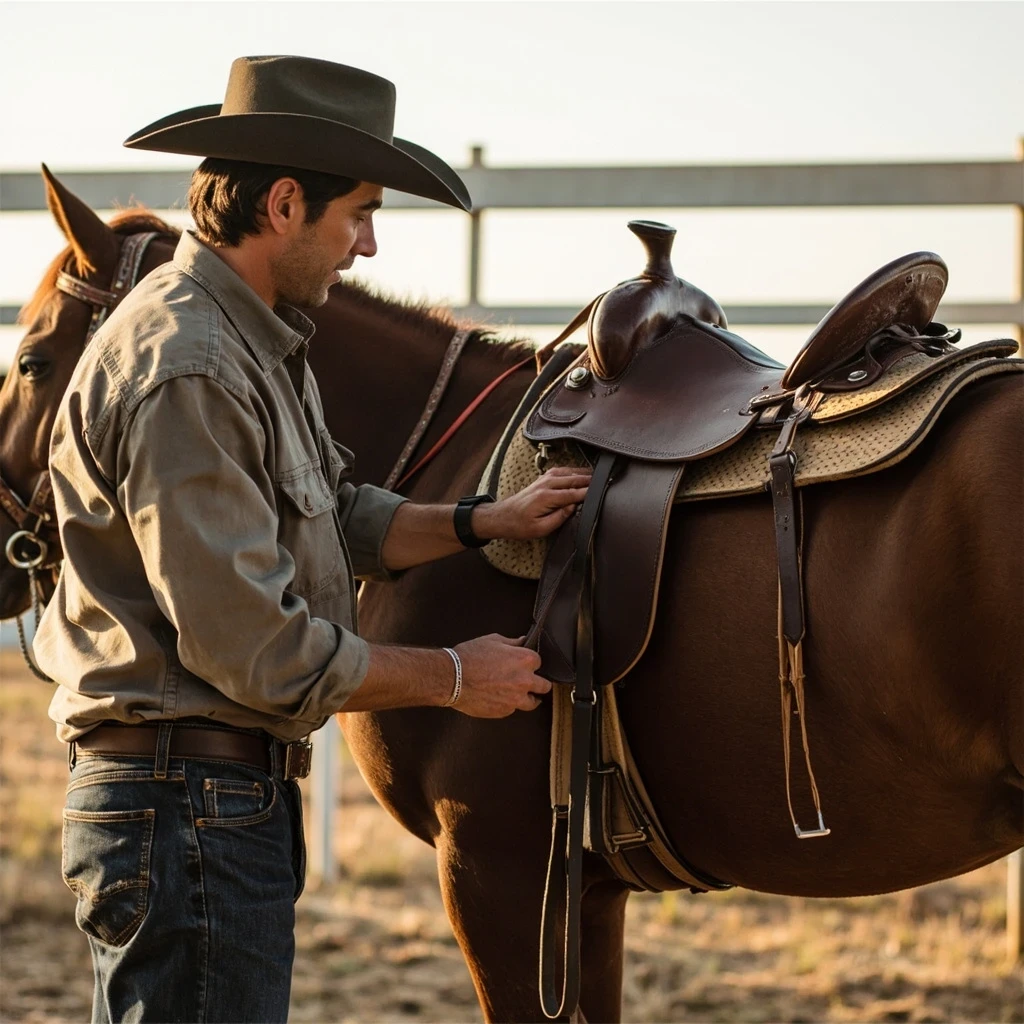
Before calling in a professional, there are a few simple checks you can run during grooming or after your ride that can highlight obvious disconnects in fit. Doing these checks regularly helps track changes over time, especially with young or changing horses.
Checking Wither Clearance
Once the saddle’s on (no pad), there should be about two to three fingers of clearance between the saddle and your horse’s withers when you sit in the seat. Too tight or barely any space? That probably means the tree is too narrow or the saddle is just too small for your horse’s back. The gullet shouldn’t touch the spine at any point, and you should be able to slide your fingers easily from front to back under the pommel and tree.
Evaluating Bar Angle and Contact
Take a look from the front and rear of the saddle. Bars should follow the natural angle of your horse’s shoulders and connect evenly along their length. If you see daylight between the bars and your horse’s back, or you see pressure marks only at the front or rear, there’s a problem with saddle shape or tree angle. Bars that are too straight or too curved for your horse’s confirmation fail to provide even contact, which eventually causes soreness or bad sweat patterns.
Testing Even Pressure
Slide your hand under the bars along your horse’s back. The fit should feel the same along the whole bar. If it suddenly gets tighter at the shoulders or looser in the middle, chances are high the saddle isn’t fitting evenly. Pushing down gently in various areas should create similar pressure all along the saddle, not “pinch points” or loose gaps.
Watching Your Horse Move
Have someone walk and trot your horse while you watch from the side. Watch for pinning ears, short steps, or tail swishing. If your horse moves more freely with just a bareback pad or different saddle, that’s a strong indicator of a fit issue. Also, observe whether the saddle shifts side to side, bounces in the seat, or causes your horse to trip or refuse impulsion in one direction.
When It’s the Saddle Tree (Not Just the Pad)
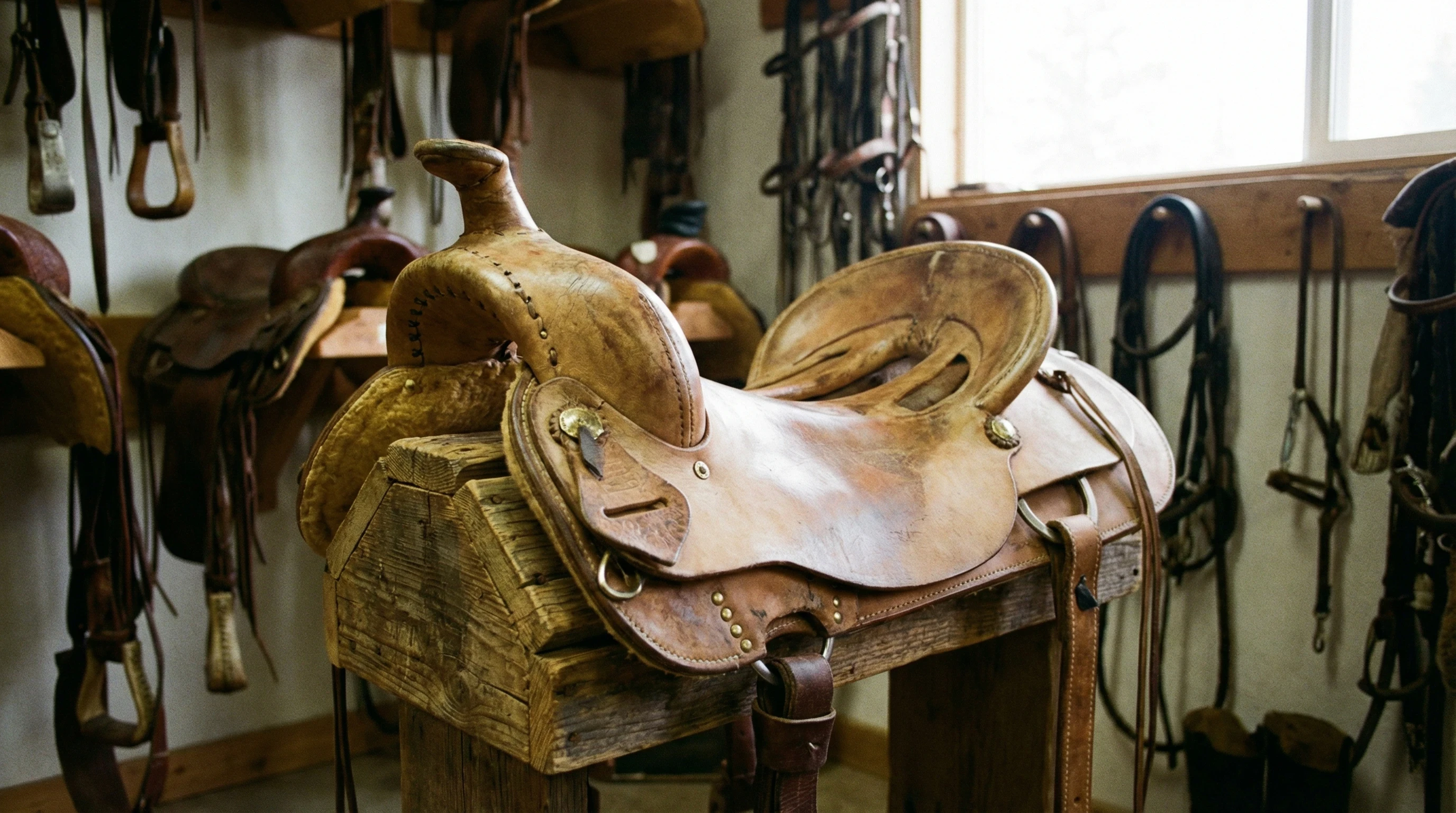
Sometimes riders try to “fix” fit with thicker pads, but serious problems are usually about the underlying saddle tree. Pads can make minor adjustments, but tree shape and width determine the real fit. It’s like putting a thick sock in a shoe that’s already the wrong size—it might help a little, but it won’t solve the core problem.
Tree Too Narrow
If the tree is too narrow, the saddle pinches at the withers and shoulders. Watch for pressure marks at the front, white hairs, or reluctance to move forward under saddle. Horses with muscle development changes, wider shoulders, or older horses who’ve filled out often outgrow trees that once fit just fine.
Tree Too Wide
Too wide of a tree sinks down and can slap or pressure the withers and spine. It can also roll side to side, making you feel unsteady and keeping your horse from moving freely. A too-wide tree can cause chafing, especially if the gullet or panels collapse onto the horse’s back, resulting in rubbing, hair loss, and soreness along the midline.
Bridging or Rocking
When the bars curve up in the middle (bridging) or the saddle rocks back and forth on your horse’s back, weight isn’t being distributed properly. This usually leads to dry spots or soreness in the bridges and back of the saddle area. A rocking saddle tends to pop up at the front or back as you ride, which can also cause you to slide off balance and make your horse’s movement stiffen up.
Can Saddle Pads Fix a Poor Fit?
Saddle pads can help a little, but they aren’t a cure-all. Sometimes they smooth out minor pressure points or add just enough lift for a slightly wide saddle. Remember, though, that putting more layers under a poorly fitting tree is like patching a leak instead of fixing the plumbing.
When Pads Help
Using a contoured or shimmed pad can help with minor fit issues; like adding clearance or evening out mild bridging. Pads also help with protection for high-withered horses or those with muscle atrophy. Wool and memory foam pads can even out pressure for temporary needs and support horses during growth or conditioning transitions.
When They Make Things Worse
Thicker pads don’t solve a tree that’s too narrow or too wide. They usually make the pinch even worse. Doubling up pads often causes more pressure and even more slipping or rolling. When you add multiple layers, the saddle can sit up too high and create new pressure points or allow dangerous shifting during movement.
What to Do If Your Saddle Doesn’t Fit
Realizing your saddle isn’t the right fit feels discouraging, especially if you invested a lot or loved how it felt on a different horse. Don’t stress; there are some steps to take before ditching your tack entirely or making expensive changes on a whim.
Consult a Professional Saddle Fitter
If you spot any of the warning signs, getting a qualified saddle fitter is the best move. They can check your saddle and horse in person, offer brands or styles to try, and sometimes even adjust what you already have. It’s money well spent to avoid long-term problems and give your horse—and yourself—the best chance at comfortable rides. Saddle fitters use pressure mapping tools, templates, and years of experience to find a workable solution.
Consider Adjustable Options
Some saddles feature adjustable gullets, shimmable panels, or custom fit agents. They give you a little more wiggle room as your horse’s back changes shape with muscle development or age. Investing in a more flexible fit can be the right answer for young, growing horses, or if you ride several horses with similar but slightly different body types.
Choosing the Right Saddle for Your Horse’s Shape
If you’re buying another saddle, look for models designed for your horse’s back profile (flat, curvy, high-withered, or wide). Careful research helps buyers make informed decisions and protects your investment in the long run. Ask for trial periods or return windows to make sure your choice truly works for you and your horse.
Final Thoughts: Don’t Ignore the Signs
Most saddle fit issues are common, super fixable, and nothing to feel guilty about. Even seasoned riders miss problems sometimes, and horses change shape over the years. What matters is listening to your horse and catching small problems before they snowball.
Changing saddles or getting help is a positive step for your horse’s comfort and your own fun in the saddle. Don’t be afraid to talk with professionals, trainers, or fellow riders if you aren’t sure—sometimes a fresh set of eyes makes all the difference for your horse’s health and your confidence as a rider.
Hello Shalisha,
Thank you for this article, it was really eye opening and practical. I’ve definitely stood in a tack room wondering if something just didn’t feel right without really knowing what to look for, and you broke down the signs in a way that feels clear and actually useful. It made me realize how easy it is to miss those subtle things like uneven sweat patterns or changes in how my horse moves when the saddle isn’t fitting right.
I especially appreciated how you explained both the horse’s comfort and the rider’s experience, because it’s so true that an ill-fitting saddle affects all of us in the partnership. Reading this made me want to go back and pay closer attention to small cues I might have been brushing off before.
Do you find there’s one sign that most people overlook until it becomes a bigger problem? I’d love to hear what you see most often in your experience.
Angela M 🙂
Hi Angela. That means a lot—thank you! And you’re exactly right, it’s those subtle shifts that are easiest to miss.
If I had to pick the one sign people overlook most, it’s small changes in how the horse moves—like a shorter stride or just not feeling as free. Those often show up before obvious signs like soreness or resistance.
A lot of riders assume it’s a training issue or an “off day,” but it’s often the earliest clue the saddle isn’t sitting quite right.
You’re already doing the most important thing—paying attention to the little details. That’s what helps you catch problems early.