
Western saddles are a pretty big investment and keeping them in great shape is worth every ounce of care – whether you’re working cattle, racing barrels, or just out for a weekend ride.
Western saddles especially can go through a lot, since they’re built for both work and comfort. But daily use and simple mistakes can lead to damage that’s tough or expensive to fix.
Here’s my experience with keeping Western saddles protected for the long haul, along with the best prevention techniques I’ve picked up along the way.
The Most Effective Saddle Damage Prevention Techniques for Western Saddles
It doesn’t really matter if you’re using a basic trail saddle or a high-end showpiece. The core of prevention is the same. I’ve learned a few basic rules that work for just about every Western saddle you’ll come across:
- Routine cleaning and conditioning: Wiping down and conditioning the leather keeps it supple and shields it from cracking and dry rot.
- Proper storage: Saddles last way longer when kept in a cool, dry place—never tossed on the ground or stored in damp tack rooms.
- Using the right saddle pad: A good pad protects against sweat, dirt, and saddle movement that can wear down leather and tree parts.
- Regular inspection: Catching little problems early, like loose screws, stretched fenders, or fraying billets, prevents major headaches down the line.
- Covering when not in use: Saddle covers or bags are super useful for keeping dust, sunlight, and rodents away from your gear.
Making these part of your riding routine adds years to your saddle’s life and helps you spot issues before they get bad (and expensive).
How Improper Storage Causes Damage, and How to Prevent It
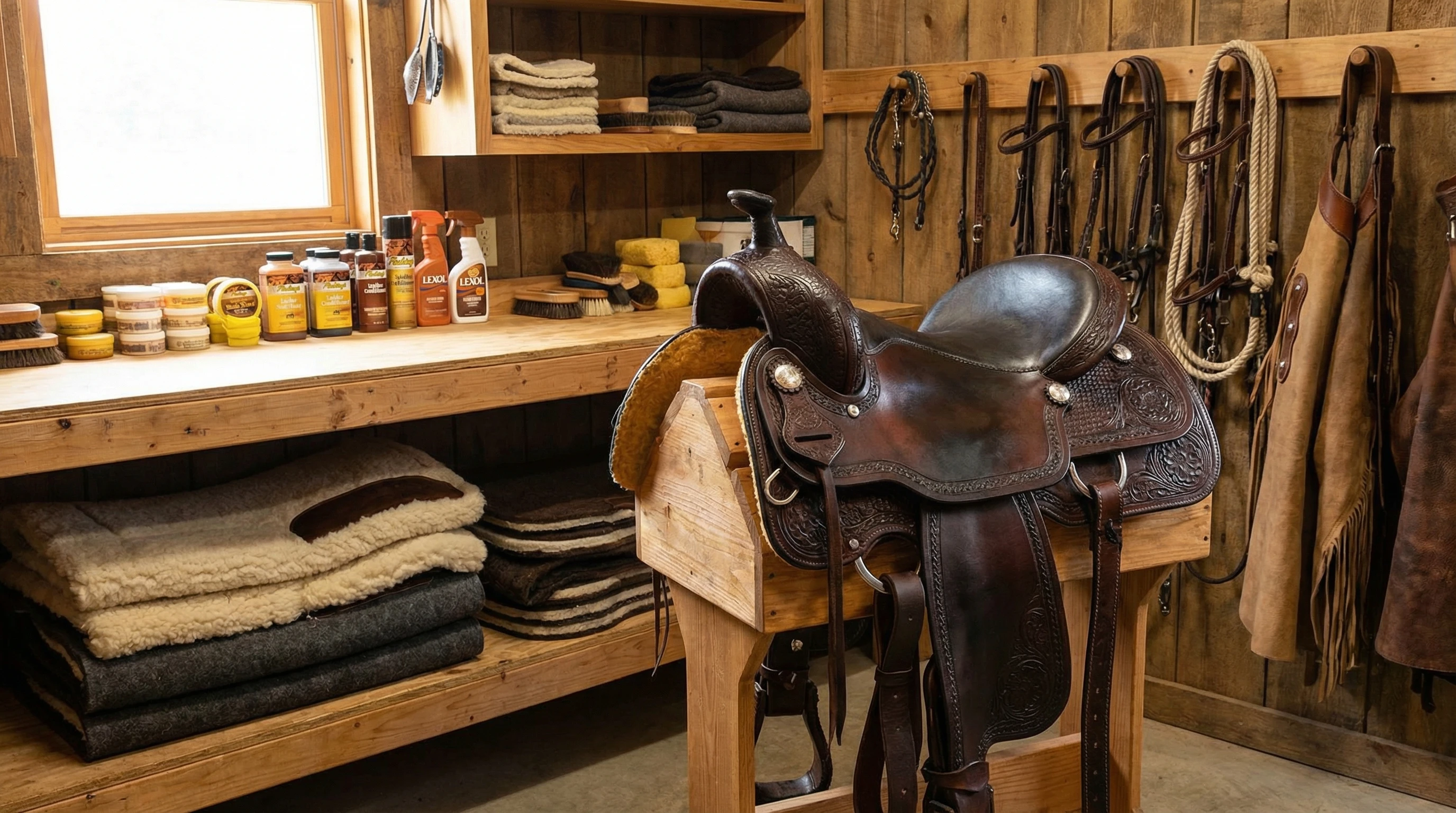
Storage is probably the thing I see most riders ignore. Yet, it’s the fastest way to mess up a good saddle. Leaving a Western saddle in a barn aisle, in direct sunlight, or even on a broken stand can warp the tree, fade the leather, and attract mold or even woodboring bugs.
Damp environments cause mildew, while heat dries out the leather, so you’re left with cracks and a creaky feel next time you ride.
My solution is pretty simple: dedicate a spot in your tack room that’s away from windows and stays dry, preferably with some air circulation.
Use a sturdy saddle stand that supports the bars (not just the horn or cantle), and if you have to store it long-term, use a breathable cover—something like cotton, not plastic, so moisture doesn’t get trapped.
Quick Prevention Checklist
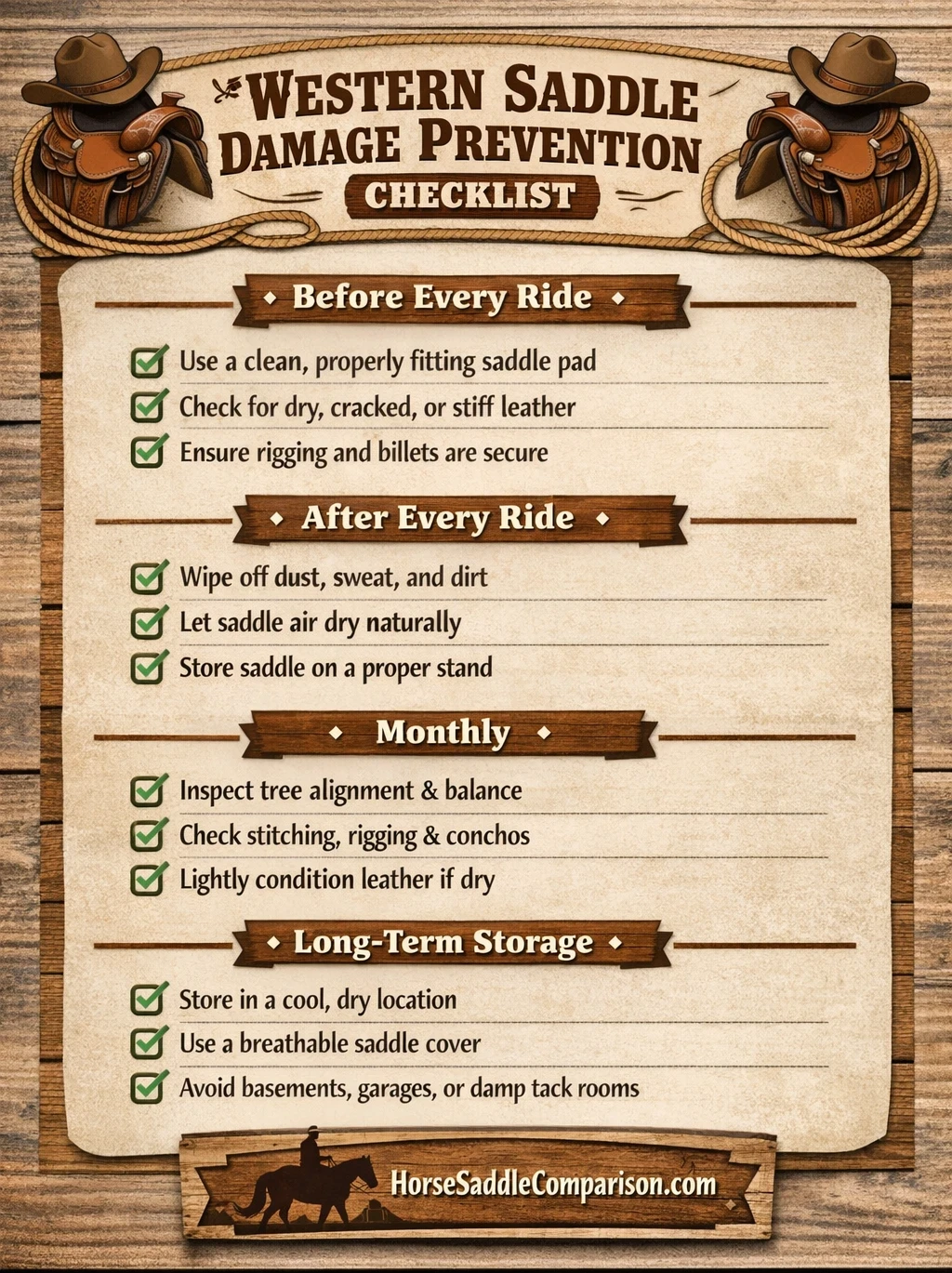
Always use a saddle stand or rack—never store on the floor or on its horn.
- Keep out of direct sun and damp rooms, even for a few days.
- If you won’t be riding for weeks, cover with a saddle bag or clean towel to keep dust and critters away.
Can Using the Wrong Saddle Pad Lead to Longterm Damage?
Most riders know to put a pad under a saddle. But picking the wrong type or riding with a dirty, wornout pad, causes a bunch of trouble. When a saddle pad is too thin, the pressure isn’t distributed right, which puts stress on the leather skirts and tree.
If the pad is too thick or bunched up, you risk warping the saddle tree or squeezing your horse uncomfortably. Plus, a dirty pad grinds dirt and sweat into the leather underside and fleece, turning it brittle or rotten.
Here’s what works:
Invest in a pad that fits your horse and your saddle, keep it clean, and replace it once it starts to compress or lose shape. Wool felt is my go-to, since it wicks moisture.
But there are plenty of good options. For riders who work their horses often or ride in all weather, consider keeping a pair of pads handy so you can swap out and let one air dry.
This simple rotation helps reduce buildup of moisture and bacteria, which can break down your tack even further.
Quick Prevention Checklist
- Match pad size to both saddle and horse body shape.
- Brush and clean pads weekly (or after sweaty rides).
- Replace pads at the first sign of hard spots, tearing, or thinning.
How Often Should a Western Saddle Be Cleaned and Conditioned to Prevent Leather Cracking and Dry Rot?
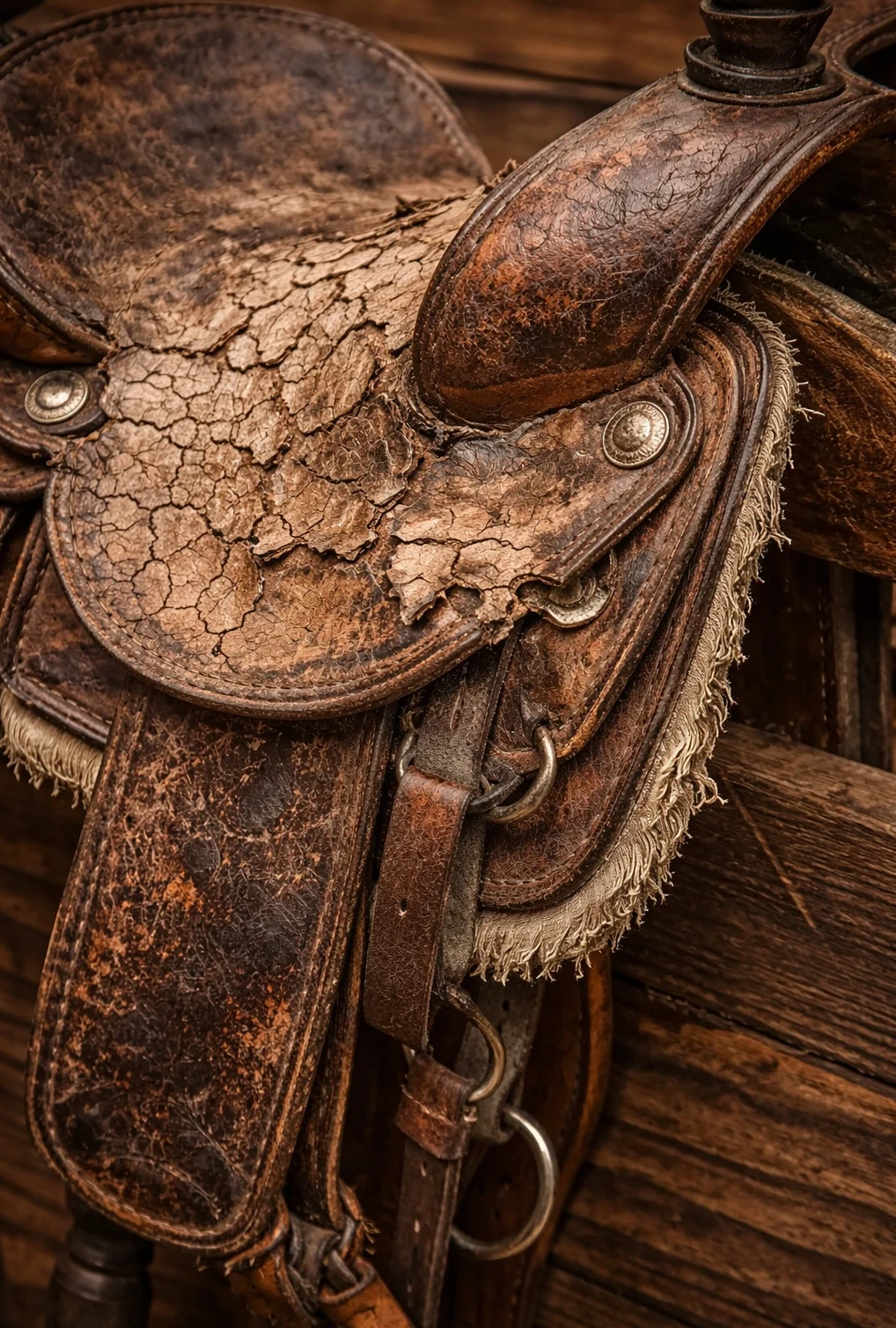
Leather is tough. But it still needs regular cleaning and moisture to stay flexible. I usually clean my saddle with a damp cloth after every big ride, especially if there’s sweat or mud.
A deeper cleaning with saddle soap and a soft brush happens about once a month, and then I condition with leather balm or a good-quality conditioner. If you ride hard or your tack gets wet, giving it extra attention that week is worth it.
Skipping this step leads to dried out fenders, cracked seat jockeys, or even dry rot under the skirts, leaving the saddle weak where it matters most.
It’s also worth using a toothbrush or small brush to get grit out of tooling and stitching, since that’s where grime can really settle in. For show saddles with extra decoration or silver, use a cleaner that’s made specifically for the finish to avoid causing dull spots.
Stick with tried-and-true products and don’t experiment with harsh cleaners that could harm the leather’s natural oils.
Quick Prevention Checklist
- Wipe down leather with a clean cloth after each ride.
- Deep clean and condition monthly, or after heavy use or rain.
- Never use harsh chemicals or too much water when cleaning.
Western Saddle Parts Most Vulnerable to Damage
Western saddles might look super sturdy, but a few areas always seem to wear out first. Here’s where I always check:
- Tree: The bone of the saddle. Drops, falls, or setting a saddle carelessly will eventually crack a tree, and that’s not worth fixing.
- Skirts: These big leather panels can warp, pick up mold, or split along the stitching if left dirty or wet.
- Rigging: Rugged, but the leather and metal connecting points take lots of stress. Dry rot or rust can sneak in if left damp.
- Fenders and billets: Constant movement means they dry, stretch, or tear over time, especially if rarely conditioned.
A regular once-over of these spots preserves the saddle’s function and appearance. When you spot wear early, you can patch a small trouble spot instead of having to buy a new saddle part or switch saddles altogether.
Don’t forget to lift the skirts and check underneath, as a lot of hidden problems show up out of sight—especially mold or cracking in areas that see little sunlight.
How Saddle Fit Affects Wear and Tear
Riding with a poorly-fitted saddle isn’t just rough on your horse. It’s tough on your tack too. If a saddle wobbles or bridges, it twists against the tree and skirts, wearing them out unevenly.
Over time, this warping can be permanent, and stretched rigging will eventually snap under pressure. Ill-fitting saddles can also cause your pads to bunch or slip, adding extra friction and breaking down both pad and saddle faster than you’d expect.
Making sure your saddle fits your horse prevents all this. Have a saddle fitter check once a year if you’re unsure, or at least check that your tree fits and that there’s no pinching, rocking, or shifting during the ride.
Riding with a friend can help too—they may notice saddle movement or tilting that you don’t feel in the saddle. If your horse’s shape changes after weight loss, training, or age, it pays to reevaluate your saddle fit and make adjustments.
Are Saddle Covers and Bags Worth It?
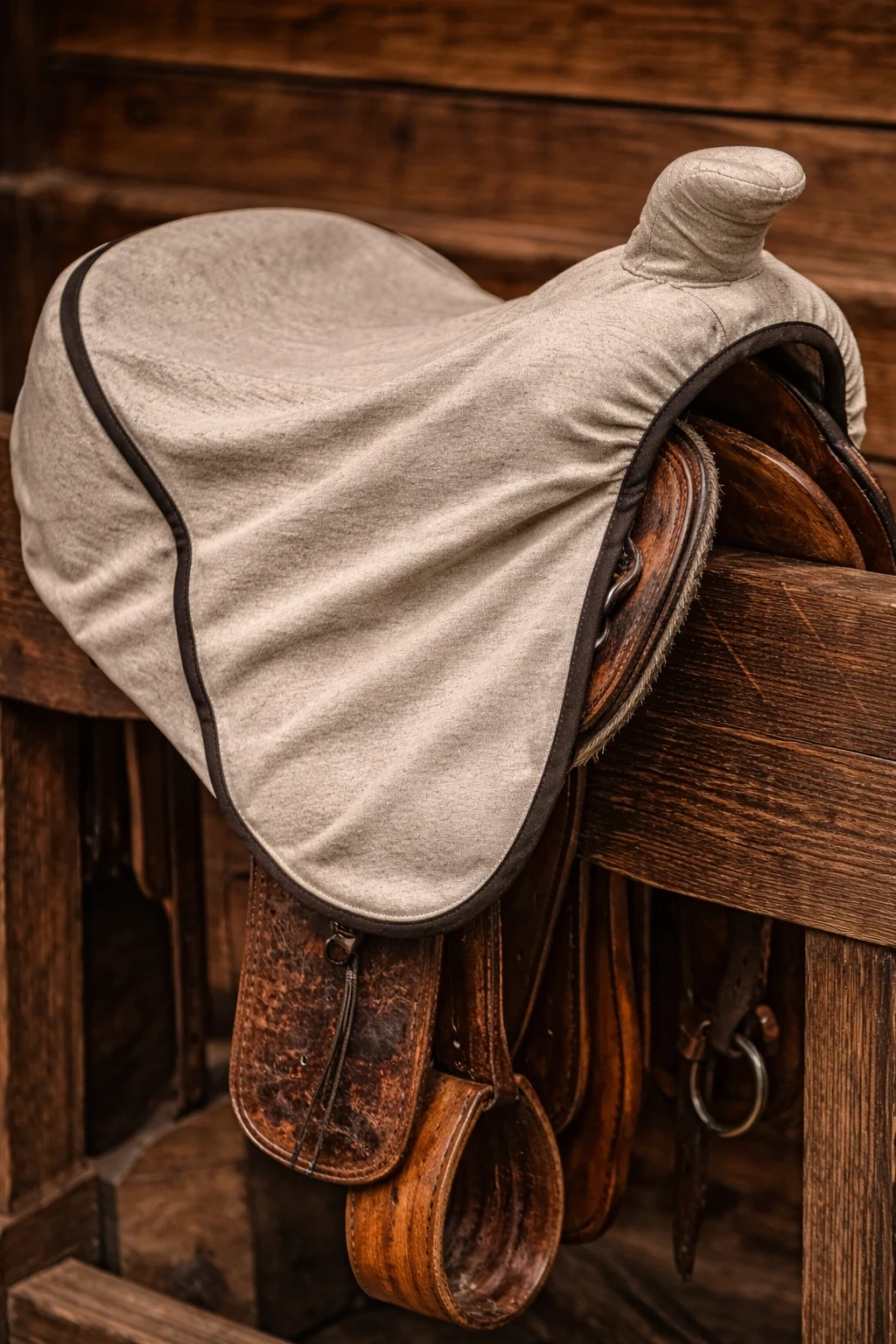
Saddle covers, especially breathable ones, help keep dust, sunlight, rodents, and even curious barn cats away from your saddle.
I use a simple cotton bag and it’s saved my saddle from mouse nests and bird droppings several times. For trailering, a padded saddle bag is really useful to prevent dings and scratches.
If your barn is dusty, your horse sweats a lot, or you store your saddles for part of the year, a quality cover or bag can lengthen your saddle’s life noticeably.
Don’t overlook the importance of ventilation even with covers. A plastic tarp can actually trap moisture and cause mildew. So go for cotton, canvas, or a custom-made saddle slip instead.
For travel, look for covers with padding and reinforced handles—these protect your investment if you need to haul your saddle long-distance or ship it for repairs.
The Most Common Mistakes That Damage Western Saddles
- Throwing saddles over fences or truck beds, risking bent trees and torn skirts.
- Letting mud or sweat dry on leather, which breaks down stitching and finish.
- Ignoring small repairs like loose stirrup leathers or rivets before they get worse.
- Leaving saddles in trucks or tack rooms during humid or freezing weather without checking on them.
I’ve made all of these mistakes personally. Don’t be afraid to take a couple extra minutes after your ride to set things right. It’s better to take care now than to pay for costly repairs or lose an otherwise great saddle.
Double down on your habits and you’ll notice just how small investments in time lead to long-term rewards in performance and appearance.
How Riding Style Impacts Saddle Longevity
Barrel racing, trail riding, and ranch work put saddles through very different types of abuse.
- Barrel racers put stress on the stirrup leathers and rigging
- Trail riders worry about scratches from brush and moisture from creek crossings.
- Ranch work can be really rough on the horn, billets, and the tree thanks to quick dismounts and roping.
No matter your riding style, washing off mud, checking tightness, and even swapping out pads and billets before they get thin or rotten can save you money.
Swapping between two saddles if you ride daily also helps stretch out their lifespan. If you find yourself riding in the rain, through thick brush, or over rocky ground, wiping down your saddle and doing a quick check for broken parts after each ride will pay off.
Some riders rotate between saddles or use a “working” saddle for tough jobs and save their finer equipment for shows and events. This keeps each saddle in better shape long term, given how tough conditions can get during different riding disciplines.
Extending the Life of a High-End Western Saddle
- Keep a maintenance log of cleanings, repairs, and rides; this helps spot problems before they start.
- Send your saddle to a professional for deep cleaning and a check-up every couple of years if it’s worth serious money.
- Avoid heavy waterproofing oils (they can oversoften quality leather); instead, stick with recommended balms from the saddle maker.
- Store tack indoors, away from barn pests and temperature swings.
Taking care of a high-end saddle the same way you’d treat a prized pair of boots keeps it sharp (and valuable) for decades. Plus, it feels better every time you swing aboard.
A well-kept saddle not only rides better, but it holds its value for sale or trade if you ever want to upgrade.
Frequently Asked Questions
Question: How do I know my saddle tree isn’t broken?
Answer: Gently flex your saddle from front to back and listen for creaks or clicks, then inspect for cracks where the stirrups attach. If you suspect damage, get a pro to check it before riding again.
Question: Will commercial cleaners hurt my saddle?
Answer: Many household cleaning wipes are too harsh for saddle leather. Stick to saddle soaps and conditioners made for Western gear.
Question: My saddle got soaked in the rain—what now?
Answer: Dry gently in a cool place, out of direct heat. Once dry, condition generously. Avoid using hairdryers or heaters, as they can crack the leather.
Giving Your Saddle the Longest Life Possible
Prevention is really about building a few simple habits into your riding routine.
With the right storage, regular cleaning, and some extra attention to fit and padding, your Western saddle will easily last for years or even decades while keeping you (and your horse) way more comfortable on the trail or in the arena.
Remember, taking the time to look over your tack and stepping up your care routine means you’ll get the best out of your saddle every time you ride.
Was this post helpful? I’d love to hear from you! Feel free to leave a comment or question below — whether it’s about saddle care, storage, or protecting your Western saddle for the long haul.
I really appreciated how thorough this post is about preventing saddle damage, especially the emphasis on regular cleaning, conditioning, proper storage, and using the right pad to protect both the saddle and the horse. It’s clear that small habits like wiping down leather after rides and checking for early signs of wear can save a lot of time and money in repairs, and the practical advice makes it more doable for everyday riders. I was wondering though, do you have any tips on how to choose the best type of saddle stand or rack for long-term storage, since that seems crucial to avoid warping and moisture issues?
Hi Hanna. Thanks for your question.
Thanks — I totally agree, the post’s tips on cleaning, conditioning, storage, and using the right pad are super practical and really help extend a saddle’s life. As for choosing a good saddle stand or rack for long-term storage, look for something that supports the saddle evenly, mimicking the shape of a horse’s back so you avoid pressure points that can warp the panels or tree.
Avoid narrow metal bars; instead choose wide, padded, or contoured racks (wall-mounted or freestanding) that keep the saddle level. Also aim for a stable, dry, well-ventilated spot in your tack room and consider a breathable cover for extra protection against dust and moisture.
If you have anymore questions, please feel free to ask.
This is really eye-opening. As someone who has never even been close enough to a horse to touch a saddle, I always just assumed they were these incredibly tough, indestructible pieces of leather that you just throw on and go. I had no idea they were actually so “high-maintenance”!
The idea that even the way you store them—like the angle of the rack or the humidity in the room—can permanently warp the internal frame (the “tree,” as I learned from your post) is fascinating. It sounds less like a piece of sports equipment and more like a finely tuned musical instrument that needs constant climate control.
Hi Leah.
Thank you so much for this thoughtful comment! That “musical instrument” comparison is spot-on—saddles really are precision equipment, even though they look tough on the outside. A little mindful storage and care goes a long way in keeping both the leather and the tree in good shape. I’m so glad the post helped shed light on that side of saddle ownership!