
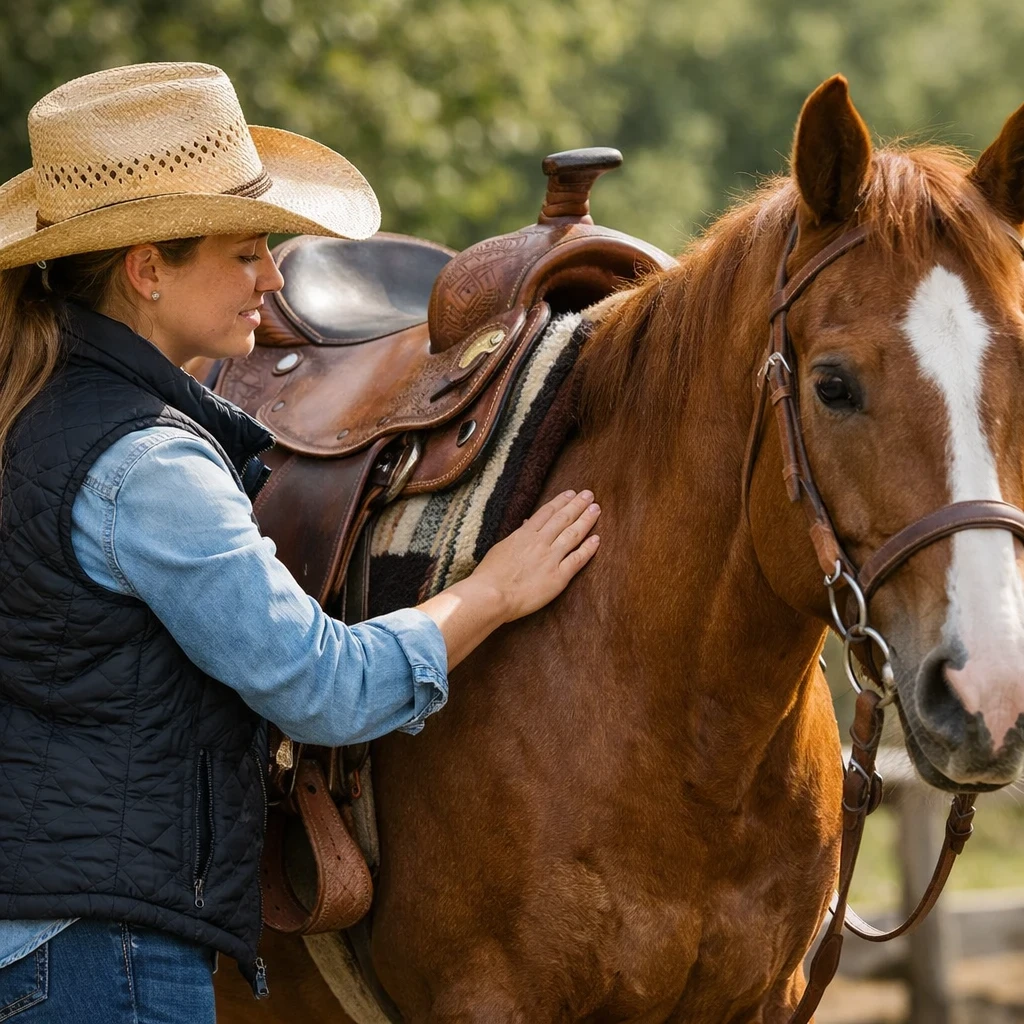
If you’re new to Western riding or thinking about upgrading your saddle, choosing the right Western saddle for you and your horse is a pretty big deal. Not only is a good fit key to your horse’s comfort, but it also helps prevent back soreness, boosts your riding confidence, and saves you from blowing money on the wrong saddle.
I’ve seen plenty of riders end up frustrated (or worse, with a sore horse) just because they didn’t know where to start. Here’s a practical walk-through for picking a Western saddle without all the stress.
Just a quick heads-up for transparency: this article may include affiliate links. If you choose to buy through one of them, I may earn a small commission at no extra cost to you. It helps support HorseSaddleComparison.com so I can keep creating helpful resources for riders.
Step 1: Understand Your Riding Discipline
Western saddles are not all made the same, and figuring out how you’ll spend most of your time in the saddle helps narrow things down fast. Disciplines like trail riding, barrel racing, ranch work, and Western pleasure have unique saddle styles, and each comes with tweaks for balance, security, and freedom of movement.
Trail Riding vs Barrel Racing vs Ranch Work
1) Trail saddles – tend to be lighter and built for long hours of comfort, often with a padded seat and plenty of rings for gear.
2) Barrel saddles – smaller, lighter, and have a higher cantle to help keep you in the seat during fast turns.
3) Ranch saddles – heavyduty, designed for staying in place while roping, and tough enough for daily chores.
If you’re into showing or Western pleasure, look for saddles with flashy details and comfy seats. Each style isn’t just about looks. Function really matters here.
Why Discipline Determines Saddle Design
Every discipline puts slightly different pressure on you and your horse’s body. A barrel saddle, for example, sits you forward and allows horse freedom for sharp turns, while a roping saddle is designed to anchor you and absorb big pulls. Picking something made for your primary style keeps you more stable and your horse happier.
Can You Use One Saddle for Everything?
Plenty of riders get started with an all around or trail saddle, which works fine for casual riding and general lessons. Just know that if you’re planning to compete or do a bunch of one style (like barrel racing), a discipline-specific saddle is really important for doing your best and protecting your horse’s back over time. If your goals change, it pays to track down advice on swapping disciplines and how saddles affect performance.
Step 2: Get the Tree Fit Right (The Most Important Part)
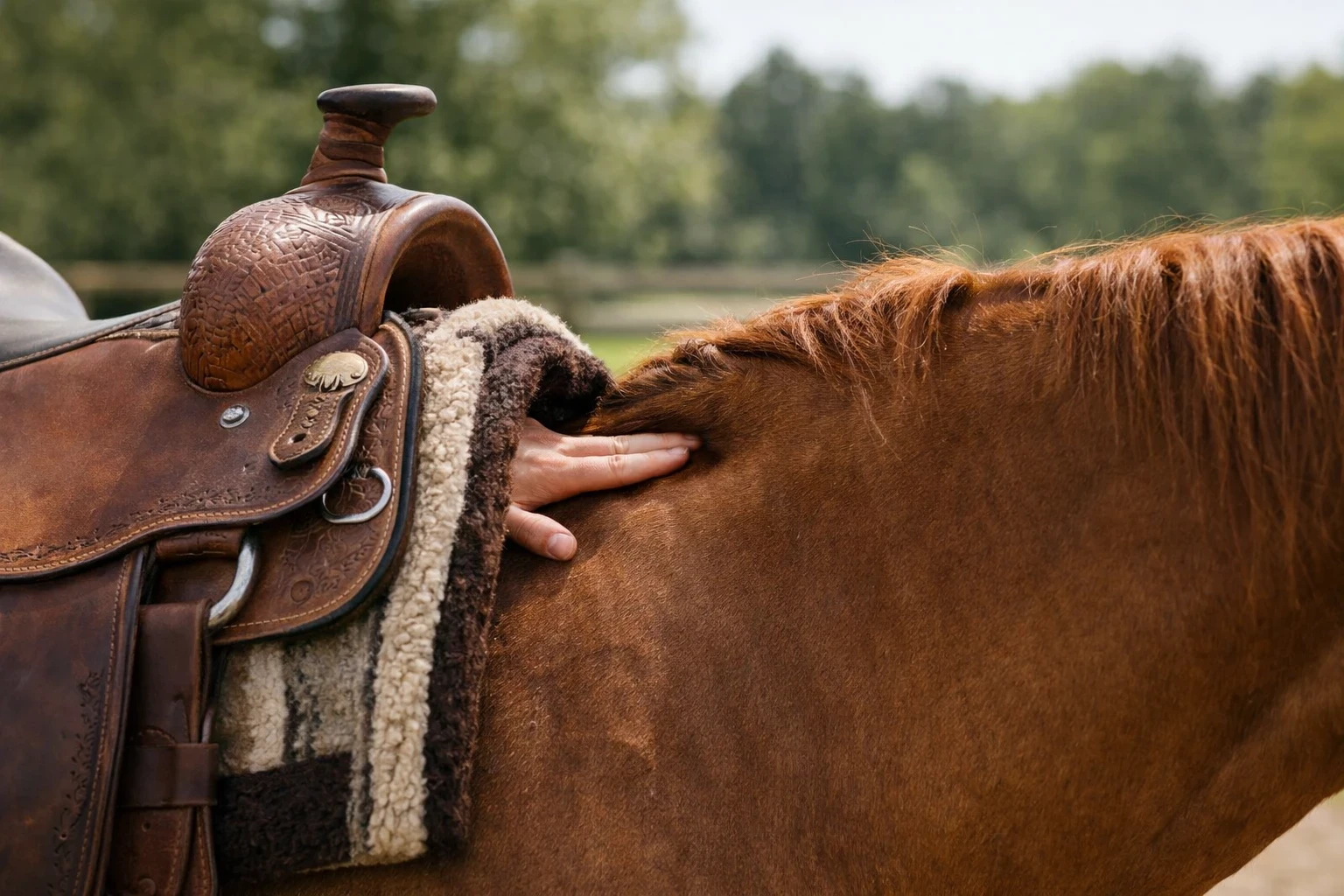
Even the fanciest saddle isn’t going to help much if the tree doesn’t fit your horse. If you take away just one thing, it should be this: a saddle that doesn’t fit your horse can cause pain, behavior problems, and even long-term damage. Understanding how Western saddle trees work gets much easier once you know the basics.
What Is a Western Saddle Tree?
The “tree” is basically the skeleton of the saddle, usually made from wood (covered in fiberglass or rawhide) or sometimes synthetic materials. It sets the shape, size, and fit of your saddle. The tree’s bars, gullet width, and angles matter for how the saddle sits on your horse’s back. This is often what separates a truly comfortable ride from daily struggles with soreness or poor posture.
Semi-QH Bars vs Full-QH Bars vs Wide Trees
Semi Quarter Horse (SemiQH) bars are narrower and fit horses with more prominent withers. Full Quarter Horse (FullQH) bars are wider, better for rounder horses. Some saddles are labeled “wide” or “extra wide” for especially broadbacked horses or draft crosses. These bar styles directly impact how much room there is for your horse’s shoulders, which affects movement and comfort. If you’re not sure, take a look at our detailed Western saddle tree guide for comparison photos and sizing tips.
How to Measure Gullet Width
Gullet width is the distance between the bars under the fork at the front of the saddle. Generally, SemiQH bars run about 6.5 to 6.75 inches, and FullQH bars are around 7 inches. There’s no universal standard; always check the manufacturer’s sizing charts. Some tack shops can measure your horse or let you try demo saddles with fit gauges, which is pretty handy if you’re not experienced.
Signs a Saddle Tree Does NOT Fit Your Horse
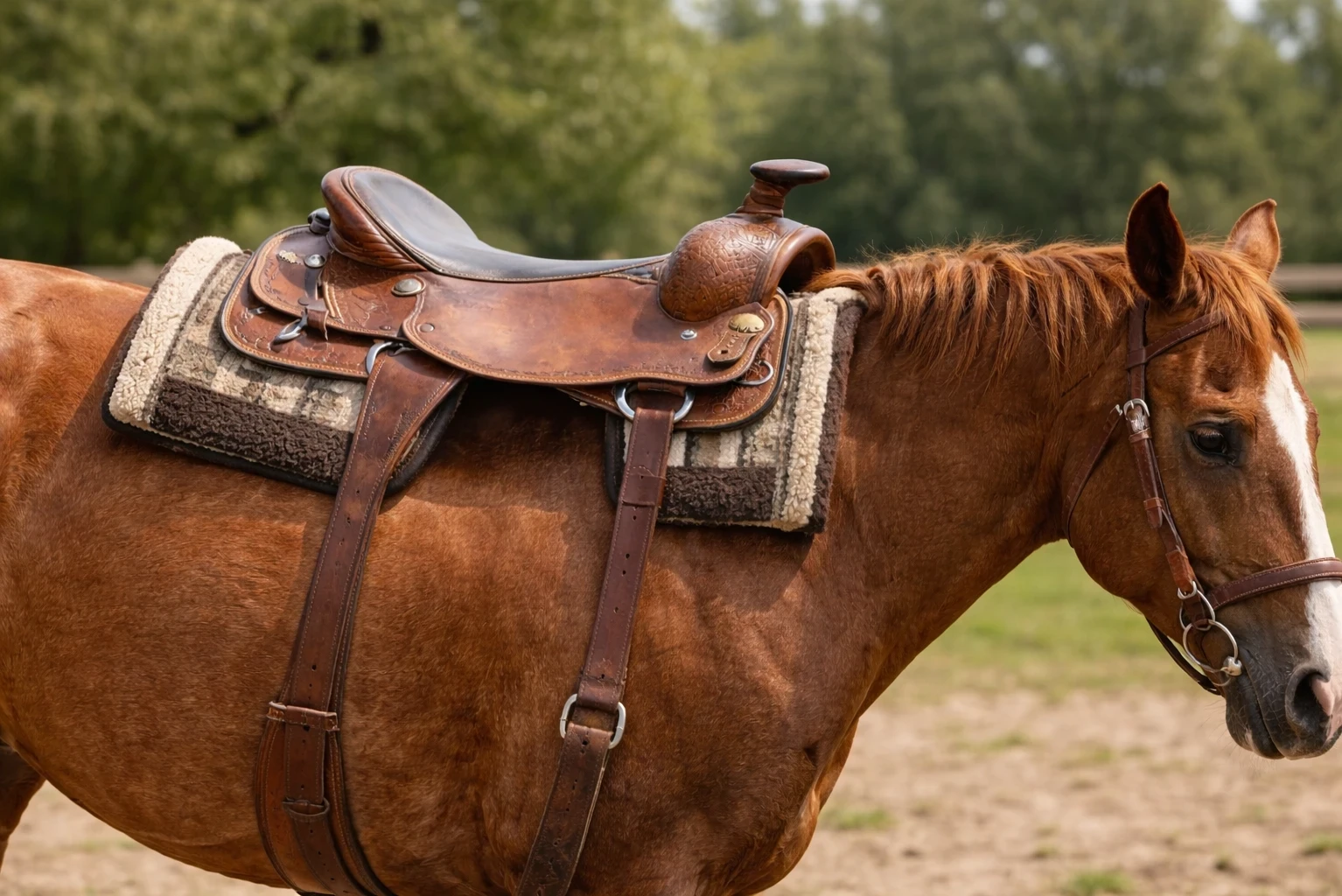
- You see dry spots or uneven sweat patterns after rides.
- Your horse’s withers look pinched or rubbed.
- Saddle tips or rocks, or slides backward during motion.
- Behavior changes, such as tail swishing, ear pinning, refusing to move, or signs of back soreness.
Common Fit Mistakes Beginners Make
- Guessing tree size based on breed alone (not all Quarter Horses are FullQH bar builds).
- Ignoring changes in your horse’s weight or muscle over time.
- Choosing saddles just because they “look right” without checking fit underneath.
Step 3: Choose the Correct Seat Size for the Rider
Picking a comfortable seat size makes a huge difference in your riding experience. Western seat sizing isn’t the same as English, and buying too big or too small is a super common mistake (especially if you’re switching disciplines).
How Western Seat Sizing Works (It’s Different From English)
Unlike English saddles, which are measured from the pommel to cantle using centimeters or inches, Western seat sizes refer to the length from the base of the horn straight back to the top of the cantle (usually in inches). Most adults ride in seats between 15 to 17 inches, with 16 inches being most common.
Adult Seat Size Chart
- Small adults (under 120 lbs): 14–15 inch seat
- Average adults (120–160 lbs): 15–16 inch
- Larger adults (160–200+ lbs or tall): 16–17 inch
If in doubt, size up slightly rather than down. A saddle that’s too tight makes mounting and riding feel awkward, but too big can throw you off balance. Whenever possible, sit in several saddle sizes to really get a feel for what provides the best mix of comfort and security for your body shape.
Youth Seat Size Guide
- Kids 6–8 years: 12 inch seat
- Kids 9–13 years: 13 inch seat
- Teens: 13–14 inch seat (depends on size/build)
Signs Your Seat Is Too Small or Too Large
- Too small: Thighs are jammed against the pommel, you feel “stuck,” or can’t sit in the pocket.
- Too large: You slide back and forth during riding, trouble holding position, feels unsteady.
Step 4: Pay Attention to Skirt, Rigging & Weight
So many beginners focus on tree and seat size, but skirt shape and rigging are just as important, especially if your horse is shortbacked or you plan on doing long trail rides.
Round Skirt vs Square Skirt
Round skirt saddles are designed for short-backed or compact horses. They help avoid rubbing and pinching behind the saddle pad. Square skirt saddles look more traditional and offer more surface for design, but add length. Always make sure the skirt doesn’t extend past your horse’s last rib. Fitting the skirt right can add years to both the saddle’s life and your horse’s comfort.
InSkirt vs Traditional Rigging
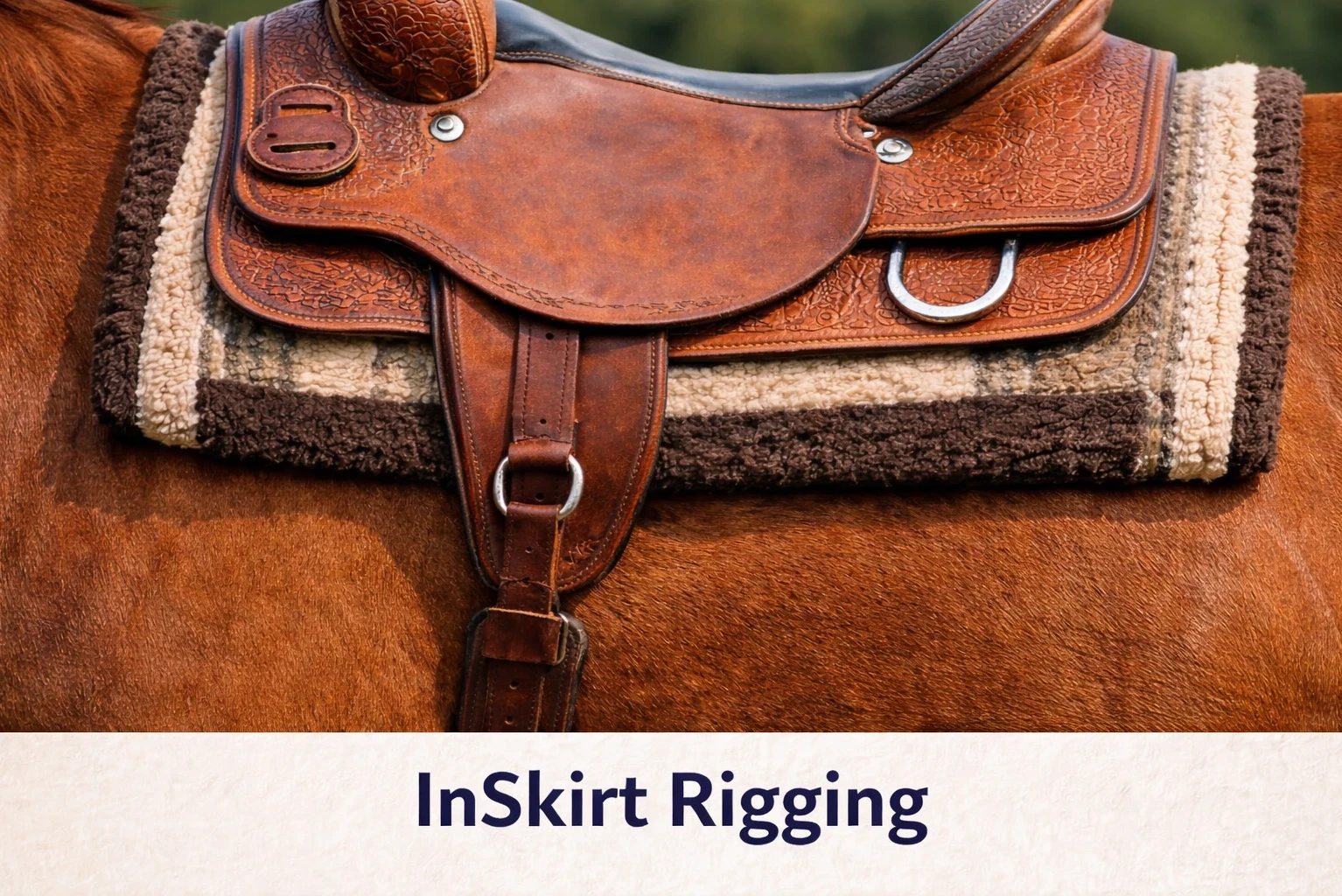
Traditional rigging is more bulky and durable for heavy use (roping, ranch work), while inskirt rigging reduces weight and the bulk under your leg, perfect for trail and general riding. Both are solid options, but your discipline and personal comfort will guide this call.
Why Saddle Weight Matters for Trail Riders
If you’ll be riding for hours and tacking up solo, a lighter saddle is going to save you lots of energy, especially if you have to lift it above a tall horse. Synthetic saddles and those with minimal hardware can knock off several pounds compared to full leather and ranchstyle models.
Short-Backed Horses & Skirt Length
Ponies, Arabians, and some foundation type Quarter Horses have shorter backs, so length really matters. If the saddle skirt is too long, it can dig into the kidneys and restrict movement. Always measure your horse’s back and look for saddles with rounded or shorter skirts. Short-backed horses especially benefit from careful attention to this area, reducing soreness and allowing fluid movement.
Step 5: Set a Realistic Budget
Western saddles range from $500 to $3,000+, and it’s easy to get overwhelmed by price tags. Here’s a basic breakdown:
What You Get at $500 vs $1,500 vs $3,000
- $500–$900: Basic new saddle, sometimes syntheticleather mix, or economy brands. Decent for light trail, but check tree quality carefully.
- $1,000–$1,700: Good quality, reputable brands, real leather, and better trees. More comfort and reliability for everyday use.
- $2,000–$3,000+: Customfit, handmade, premium leather, or disciplinespecific. Worth considering for athletes, pros, or anyone riding daily.
Synthetic vs Leather Western Saddles
Synthetic saddles are lighter, easy to clean, and often cheaper. Leather saddles last longer and mold to your horse and body but need more upkeep. For casual riders or younger kids, synthetic can work well, but if you want something to last decades, leather is a solid investment. Whichever route you go, think about your long-term riding goals and maintenance preferences.
Are Used Western Saddles Worth It?
Used saddles can be a smart way to get higher quality without the big price tag, as long as the tree and leather are solid. Double-check for cracks, warped trees, or loose stitching, and always test the fit before buying. Remember that a used saddle with broken hardware or warped parts could end up costing more in repairs. It’s always smart to check in with an experienced friend or saddle fitter before spending your cash.
How to Tell If Your Western Saddle Fits Correctly
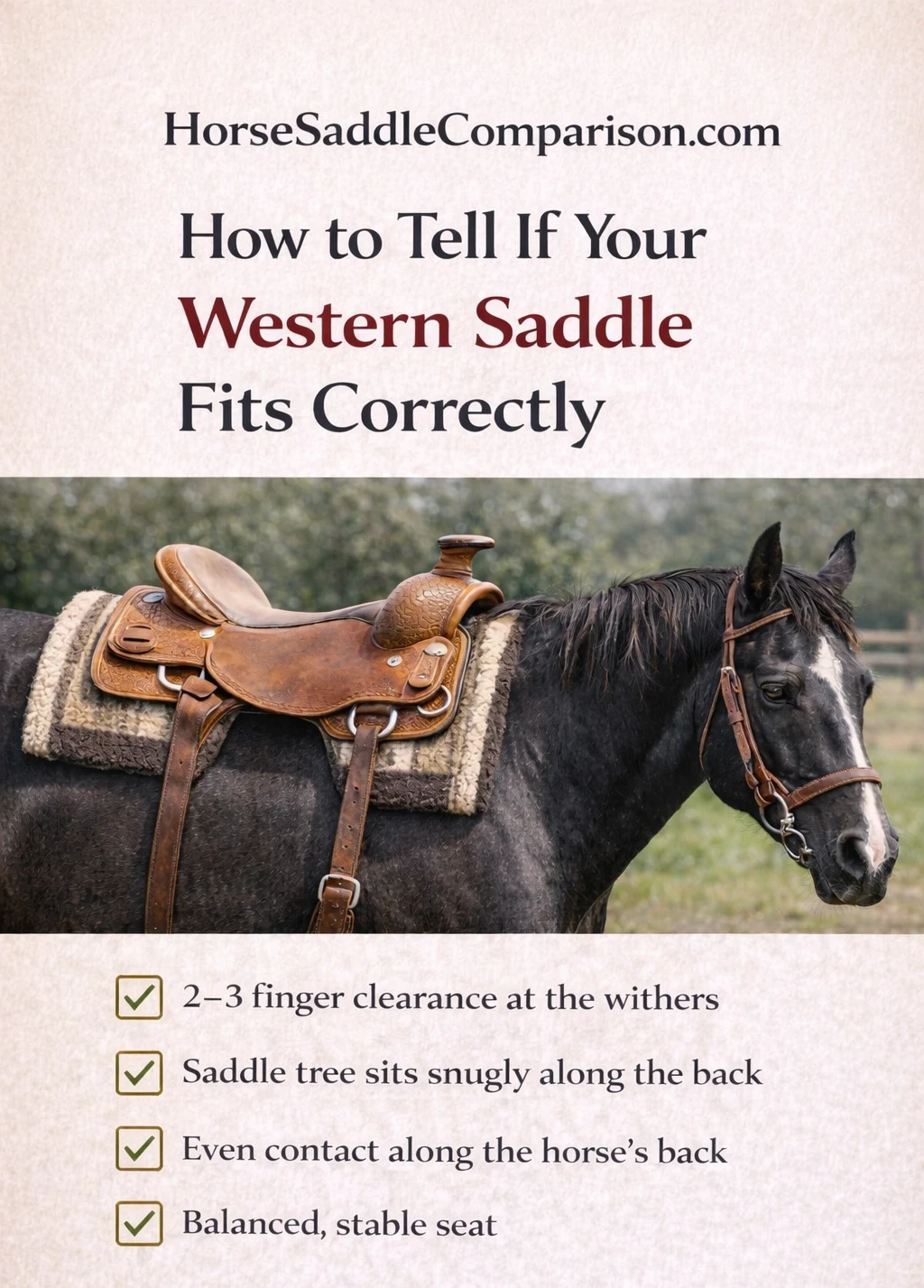
So you picked out a saddle; now for the real test. These fit checks help make sure your saddle supports both you and your horse for a good ride every time:
Withers Clearance Check
You want about 2–3 fingers of space between the withers and the underside of the pommel. No contact, but not super high where saddle is floating.
Shoulder Freedom Test
Place the saddle (no pad) on your horse and move their front leg forward. Make sure the saddle doesn’t pinch or restrict movement behind the shoulder blade.
Back Contact & Pressure Points
The saddle should touch evenly along the bars (front to back) with no bridging or rocking. Gaps mean the tree isn’t matching your horse’s contour. Keep an eye out for bridges and uneven spots to ensure better weight distribution and lasting comfort.
PostRide Sweat Pattern Check
After riding, flip your pad; an even, damp outline means good contact. Dry spots, uneven sweat, or heat make it worth checking again. If your horse sweats unevenly, take a closer look at tree fit and pad choice, and ask your trainer for a once-over if unsure.
7 Mistakes to Avoid When Choosing a Western Saddle
- Buying Based on Looks: Fancy tooling is cool, but comfort and fit beat looks every time.
- Ignoring Tree Fit: A saddle that doesn’t fit your horse is asking for trouble.
- Guessing Seat Size: Always sit in a few different seats before deciding.
- Choosing the Wrong Saddle for Your Discipline: The right style makes a big difference to both you and your horse.
- Not trying before you buy (ask to testsit if possible).
- Skipping doublechecks on used saddle condition.
- Forgetting saddle pad thickness can affect fit, so bring your pad when fitting.
Final Checklist Before You Buy
- ✔ Discipline matched
- ✔ Tree fit confirmed
- ✔ Seat size correct
- ✔ Skirt length appropriate
- ✔ Budget realistic
Picking a Western saddle should leave you feeling excited to ride, not overwhelmed by choices. Careful research and testing fit on your specific horse makes all the difference. If you’re still stuck, check out related guides like our Best Barrel Saddles for New Riders or Everything You Need to Know About Saddle Trees for deeper checks. A well-chosen saddle helps you build confidence in the barn and makes every ride better for both you and your horse. Remember, the right saddle will give a boost to both you and your equine partner, ensuring comfort and fun every time you tack up.
Hello Shalisha,
This article was such a solid read, I feel like so many people jump into saddle shopping thinking “pretty leather = good saddle,” and then wonder why their horse ends up sore or cranky after rides. I loved how you broke it down into real-world steps for picking the right saddle without wasting money or hurting your horse.
I also appreciate that the article doesn’t just talk about your horse, it talks about finding the right seat size for you too. Riding in a saddle that makes you balanced and stable is huge for confidence and safety.
Have you had a moment where you realized a saddle you loved looked great but wasn’t comfortable for your horse? What did you end up doing, kept searching, had it fitted professionally, or found used gear that worked better?
Angela M 🙂
Hi Angela.
Great question — and honestly, that situation happens more often than most riders expect.
Yes, I’ve definitely had moments where a saddle looked beautiful and felt great to sit in, but once it went on the horse, the fit just wasn’t right. One time in particular, the saddle checked all the boxes at first glance — quality leather, comfortable seat, and a popular brand. But after a few rides, I noticed subtle signs from the horse: slight ear pinning during saddling and uneven sweat marks under the skirt.
Instead of trying to “make it work,” I took it as a sign the fit wasn’t ideal. I ended up having the saddle evaluated and comparing it with a few other models. In the end, a different tree shape fit the horse’s shoulders much better, and the change made a noticeable difference in the horse’s comfort and movement.
That experience reinforced something I always tell riders: a saddle can be beautifully made and still be the wrong fit for a particular horse. When that happens, the best move is usually to keep searching or try another model rather than forcing a saddle to work. Horses tend to tell us pretty quickly when something isn’t right.