
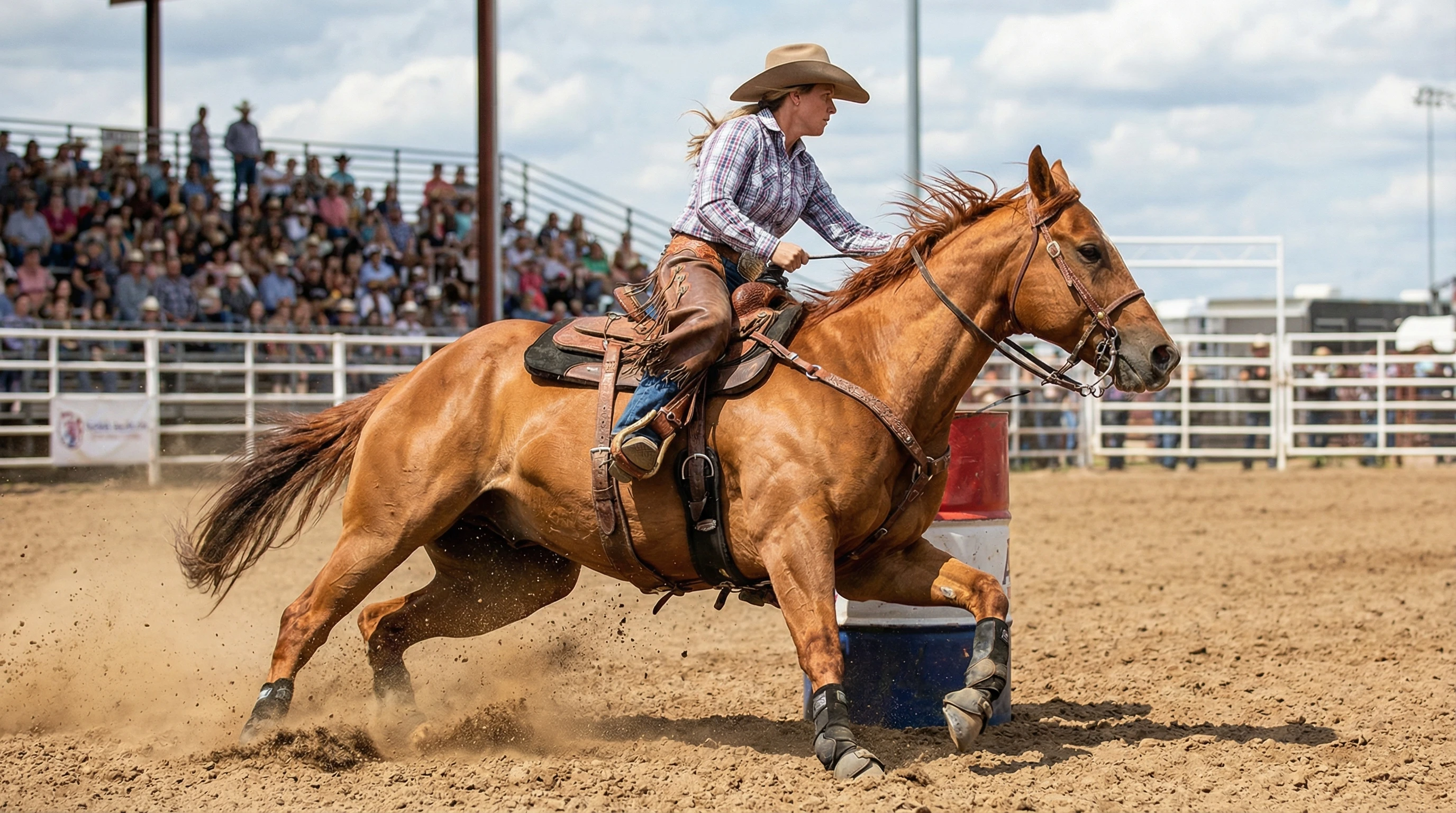
 Barrel racing is one of the most exciting speed events in the horse world. For me, there’s nothing quite like the rush of guiding a quick, responsive horse around three barrels in a cloverleaf pattern and racing the clock.
But if you’re just getting started, choosing the right horse breed may leave you scratching your head.
I’ve spent a lot of time in the arena and among barrel racing riders, so let’s break down what matters most when picking the best barrel horse, especially if you’re new to the sport.
Some links on this website are affiliate links. If you choose to make a purchase through them, I may earn a small commission at no additional cost to you. This helps support HorseSaddleComparison.com and allows me to continue providing honest Western saddle reviews and comparisons.
The Best Horse Breeds for Beginner Barrel Racers
When it comes to barrel racing, certain breeds really shine due to their speed, agility, and eager-to-please attitude.
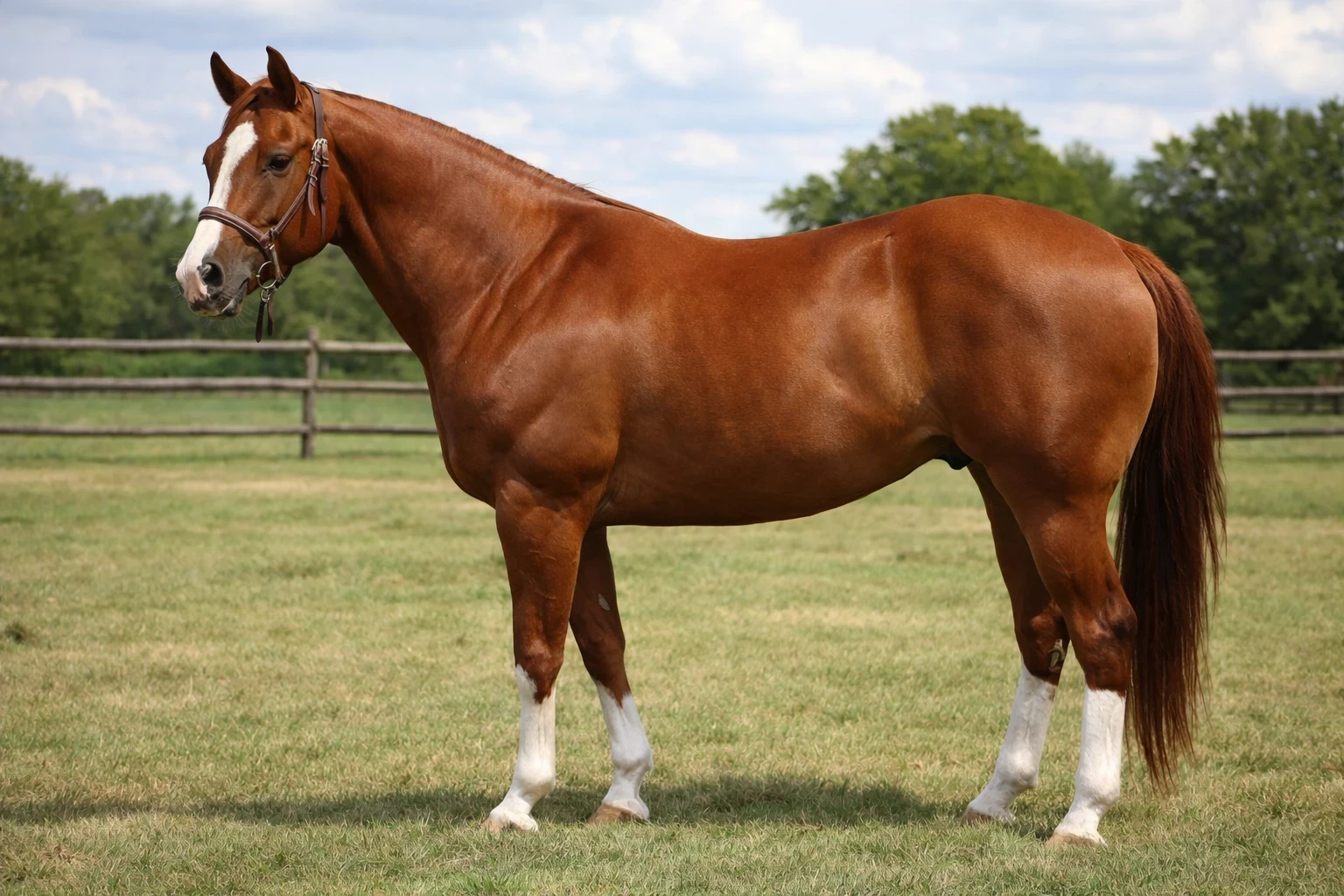
Experience has shown me that the American Quarter Horse stands out for most folks starting out. Still, other breeds and even crossbreds can work well, depending on a horse’s particular strengths and personality.
- American Quarter Horse: This breed has an outstanding reputation in barrel racing. Quarter Horses are quick off the mark, solid in the turns, and generally easy to work with. Most people, from local racers to professionals, choose them because they deliver consistent results.
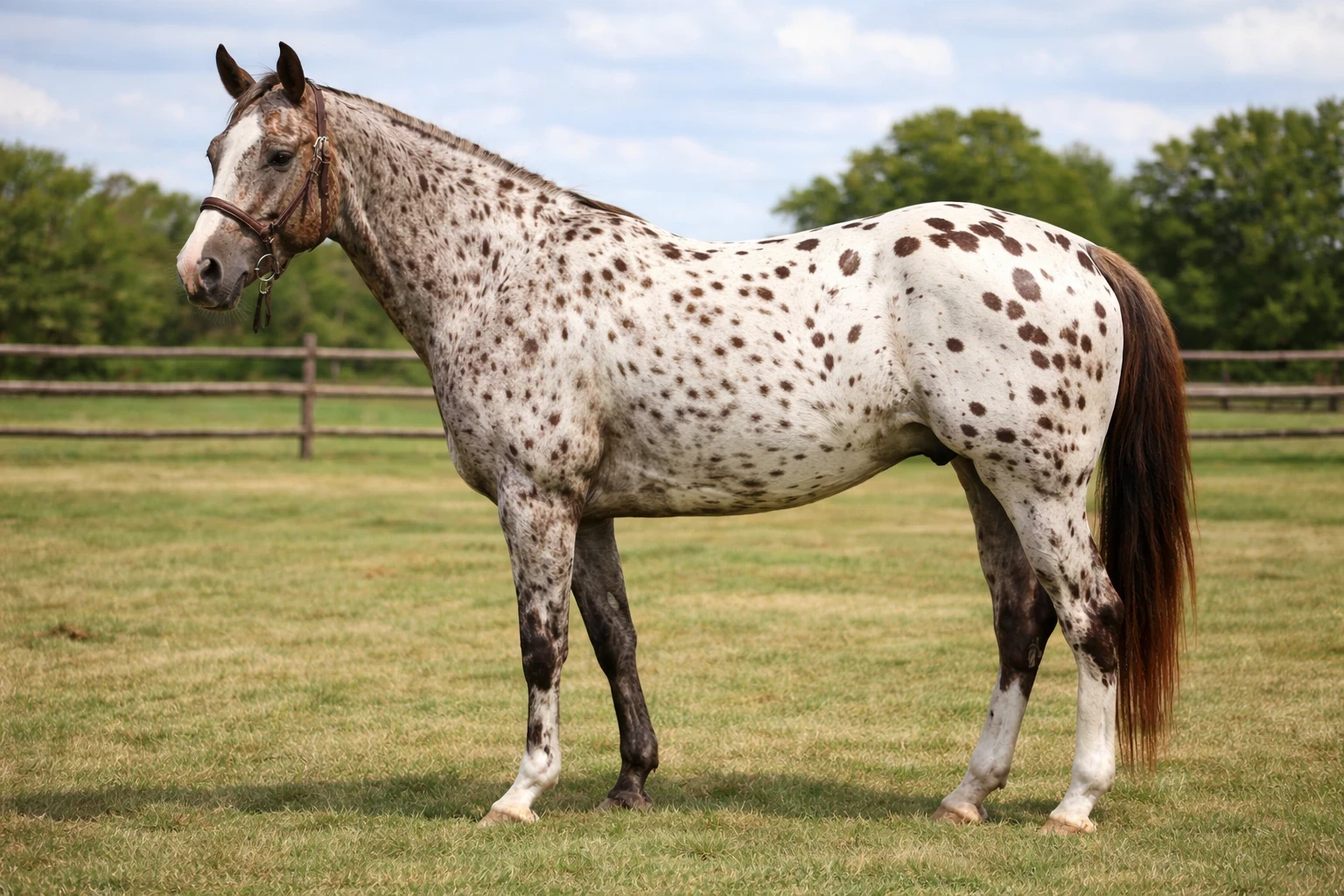
- Appaloosa: Valued for their stamina and steady footing, Appaloosas are fast learners that don’t always get the respect they deserve. I’ve seen them do well, especially in youth and novice classes, where their cool mindset shines.
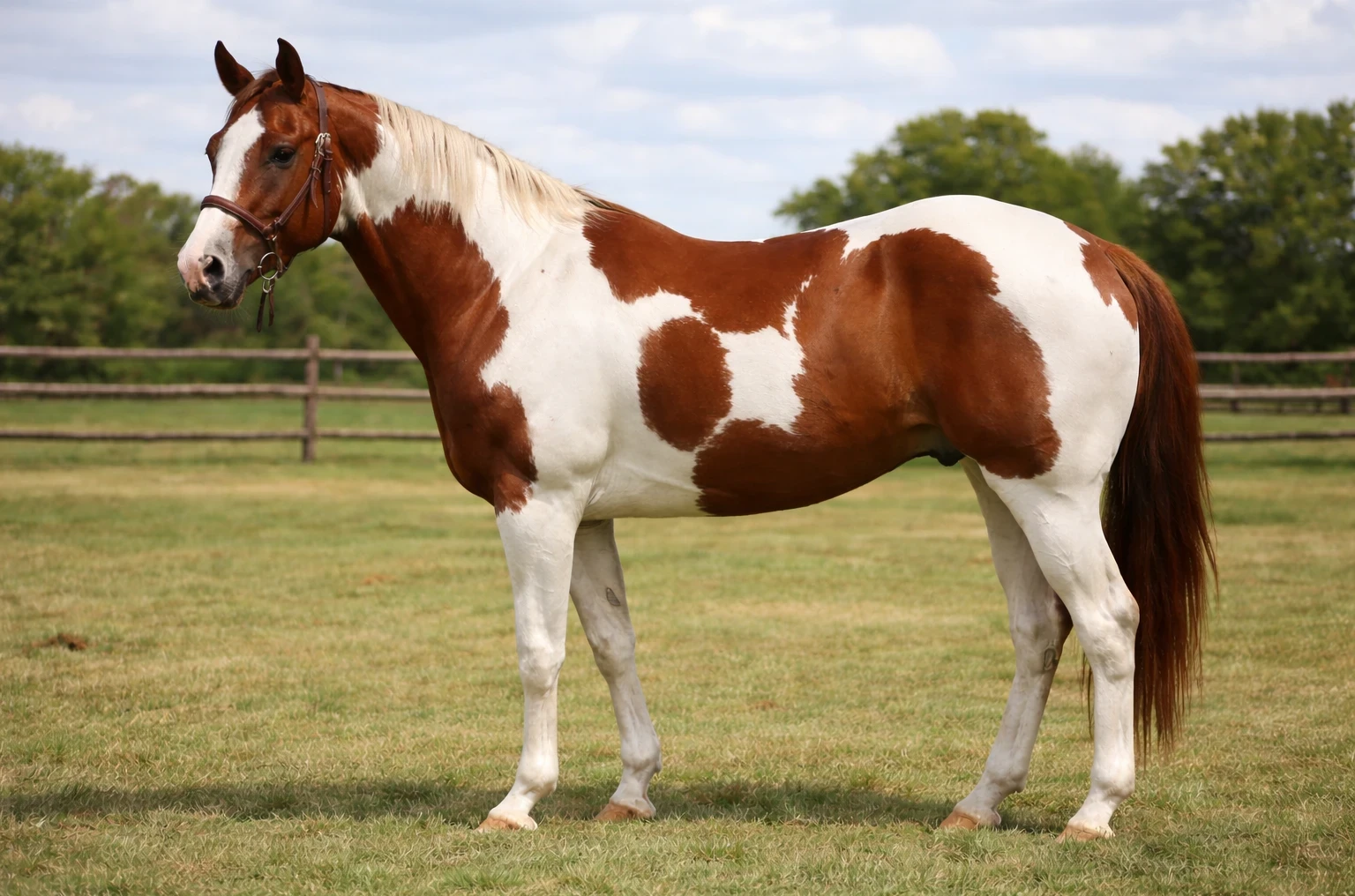
- Paint Horse: Thanks to strong Quarter Horse ancestry, Paints often possess similar talents. Their laid-back nature and practical intelligence make them a solid, beginner-friendly fit.
- Crossbred or Grade Horse: A crossbred can compete hard—what truly counts is their build, pace, and attitude. I’ve known plenty of riders who have won aboard grade horses thanks to the perfect blend of athleticism and a reliable temperament.
For new riders, picking a breed isn’t just about what’s trending. It’s all about selecting a horse that lines up with your experience, confidence, and riding goals.
Quarter Horses top the lists for a reason, but a well-cared-for grade or crossbred horse can also be a rewarding choice, especially when paired with good training and care.
Age and Experience: Matching the Horse to the Rider
Getting the horse’s age right for a beginner makes a world of difference.
Many newcomers have success with older, seasoned “teacher” horses. These horses have seen countless patterns and tend not to be overly reactive, granting beginners a confidence boost from the jump.
- Best Age Range: Horses aged 10 to 18 years are a smart pick for new riders. At this age, most have built solid habits and aren’t unpredictable. They know their jobs and tend to be patient teachers.
- Finished vs. Green: For most starters, a finished barrel horse is safer and more fun than an inexperienced one. Green horses need lots of training and can present unexpected challenges that might overwhelm novice riders.
- Older Horses: Horses in their later teens or twenties can be ideal for learning, provided they’re sound and healthy. Extra age usually means more chill and a forgiving personality. A host of top competitors started out on time-tested “schoolmasters.”
Trying to master barrels with an energetic young horse often stirs up more trouble than it solves. If I’m helping a newcomer, I’ll always point them toward a calm, veteran horse to get going.
Temperament and Trainability
Temperament counts for as much—maybe even more—than raw speed or flexibility. Barrel racing horses should be brave, tolerant, and smart. Newer riders always appreciate a horse with a kind and forgiving streak.
- Calm and Steady: Easygoing horses are more forgiving of learning mistakes, helping nervous riders grow confidence instead of anxiety.
- Forgiving Personality: Some horses naturally “take care” of riders, staying unflappable even if a cue is missed or a hand is a bit heavy. For any beginner, this quality is a game-changer in making barrel racing a fun experience early on.
- Hot or Sensitive Horses: Extremely reactive horses or those always keyed-up for the next run can be hard to handle. A gentler, more relaxed horse is a much happier match for most new riders—even if that means sacrificing a little speed early on.
The beginner’s best friend is a horse who stays steady and calm regardless of noise or chaos in the arena. Consistency will teach you more than a wild, unpredictable runner ever could.
Conformation and Soundness: What to Look For in a Barrel Horse
Conformation is all about how a horse is put together—the way bones, muscles, and joints fit. Since barrel racing puts real demands on a horse’s body, solid conformation is critical for lasting performance and health.
- Key Traits: Look for compact backs, powerful hindquarters, and strong, well-set legs. Muscular build and correct pastern and hock angles enable a horse to dig in and spring around barrels.
- Soundness: A sound horse is free from chronic lameness and injury. Always walk and trot a horse on different surfaces and watch for subtle limps or uneven steps.
- Red Flags: Be wary of swelling, bent legs, or old injuries, especially in the lower limbs and hooves. Persistent lameness is a major red flag for future barrel work.
It’s a smart move to have an experienced horse person or veterinarian look at any horse you’re considering. Barrel racing is physically tough, so only horses built for the task and free from problems will thrive long-term.
Performance and Potential for Progress
It can be tempting to shop only for the speediest horse within your budget. However, I’ve seen reliable and steady horses rack up more ribbons at the local level than unpredictable “speedsters.” The reality is: local wins often go to horses running a solid, repeatable pattern rather than flashes of wild speed.
- Speed vs. Consistency: At the start, safe and steady beats raw speed. You’ll find your fastest runs usually happen once you’re comfortable and making fewer mistakes—not just going flat-out.
- Room to Grow: With patience and the right support, both you and your horse can get quicker over time. Look for a partner with enough skill and willingness to develop alongside you.
Plenty of champions began their barrel racing careers on horses that weren’t the quickest, but always delivered a clean pattern. With more practice and better teamwork, those times will drop and your partnership will shine.
Budget, Buying, and Leasing Concerns
Barrel horse prices swing widely based on reputation, health, and show record. I stand by the old wisdom: “you get what you pay for,” but newbies can still make smart, sensible choices without breaking the bank.
- Price Range: For a seasoned, older horse, expect to spend around $3,000, whereas a sound, highly trained horse can run $15,000 or more. The horse’s experience and health have the biggest impact on price.
- Leasing: Leasing is an increasingly popular way for new riders to dip their toes into barrel racing without a giant upfront expense. If you’re uncertain about long-term commitment, leasing is a great test run.
- Check the Essentials: Ask questions about the horse’s vet history, show results, personality, and reasons for sale. Whenever possible, see the horse run barrels and try riding it yourself before making a final decision.
Don’t rush. Bring a knowledgeable friend along and dig into the horse’s history. A little research saves heartache and helps make sure your barrel racing experience starts on the right hoof.
Training, Transition, and Working with What You Have
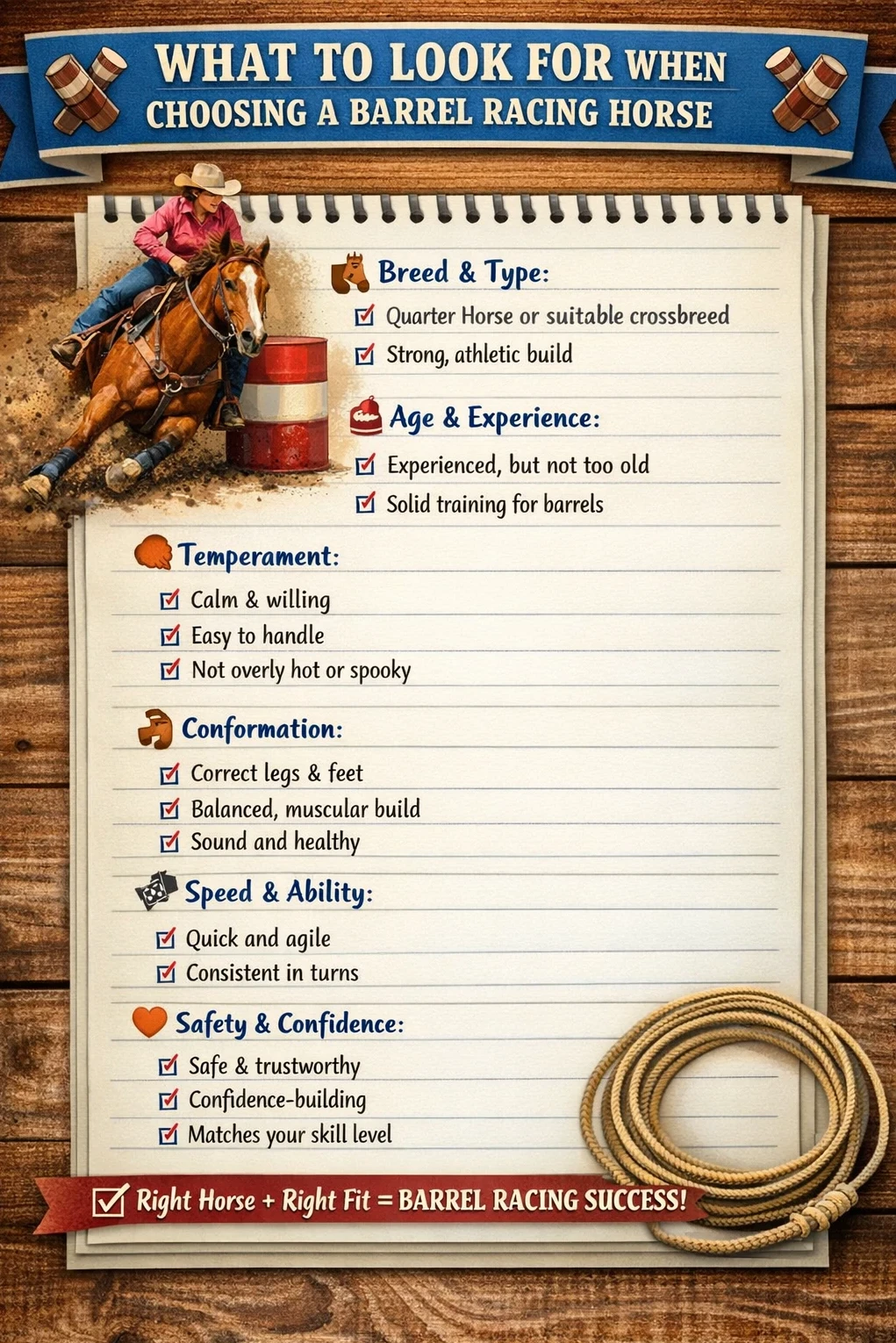
Many successful barrel horses actually started their careers elsewhere—whether on the trail, a ranch, or in the show pen. Provided a horse is athletic and has a cooperative mindset, it’s often possible to make the switch and jump into barrel racing.
- Former Trail or Ranch Horses: Horses exposed to different situations handle new environments calmly. They usually make smoother transitions to the excitement of a barrel racing arena.
- Transition Timeline: Training a new barrel horse may take a few months to over a year, depending on past experience. Prioritize basics—obedience, confidence, and trust—before turning up the speed or drilling on tight turns.
- Trainer Support: An experienced barrel trainer can fast-track your progress and keep the whole experience safer. Beginners who team up with a trainer adapt faster and get more out of their first season.
You don’t need a high-dollar, specially bred horse to shine in the barrel pen. A practical, teachable horse with a strong work ethic can surprise you and give you a solid start.
Safety, Rider Confidence, and Common Mistakes
Nothing matters more than staying safe and building confidence as you learn. The best beginner barrel horses help you feel secure and teach the ropes—even if they’re not the speediest in the field. Watch for these crucial signs:
- Feeling Safe: The right barrel horse won’t run off, buck, or spook when working the pattern. Take the time to sit on the horse; walk, trot, and lope to make sure you truly feel comfortable.
- Building Confidence: Seek a horse that gives you a sense of control and relaxation. Avoid those that come across as nervous, pushy, or easily rattled when working or handling.
- Classic Pitfall: A frequent mistake is picking a horse that’s too green or too revved up for your skills. That mismatch leads to discouragement instead of progress.
If anything feels off, trust your gut. The best teacher is always a horse that suits your skill level and lets you actually enjoy learning the sport.
Frequently Asked Questions About Barrel Racing Horses
Question: What breed is best for barrel racing beginners?
Answer: For most people starting out, the American Quarter Horse stands as a reliable, versatile, and beginner-friendly option. Paints and Appaloosas also make good picks if you find the right individual.
Question: Can a crossbred or grade horse do well in barrel racing?
Answer: Definitely. Crossbred and grade horses can compete hard in local and early-level events. Their build, mindset, and trainability matter much more than their family tree.
Question: What age horse is best for new riders?
Answer: Horses aged 10 to 18 years, with plenty of experience under their belts, are generally the best fit for a beginner to barrel racing.
Question: Should I lease before I buy?
Answer: Leasing is a common sense way to build confidence and skills without a huge investment up front. It’s a good chance to see if barrel racing is truly your thing.
Stumbling upon the right barrel horse takes patience and clear eyes about your goals. Pick a horse that suits where you’re at, and you’ll find the ride is smoother and a lot more fun.
The key is taking it one step at a time—when horse and rider match up, learning comes naturally and progress follows, regardless of breed.
Was this post helpful? If so, please leave your comments below.
Thank you for this well-structured and insightful article. You’ve done a great job explaining whyeach breed excels, linking physical traits like the Quarter Horse’s powerful hindquarters to the explosive turn, and the Arabian’s stamina to maintaining speed in longer patterns. The inclusion of the “Honorable Mentions” section is a smart touch, as it acknowledges that heart and training can sometimes trump pedigree. This is the perfect primer for anyone starting their search for a barrel racing prospect.
Hi Cian.
Thanks so much for your thoughtful comment! I’m really glad you found the explanations clear and helpful. You’re absolutely right — while breed traits can give us a great starting point, heart and training truly make all the difference in barrel racing. Thanks for reading and sharing your kind feedback!
Hello Shalisha!
This was such a fun and informative read — thank you for breaking down the breeds in a way that actually makes sense. Barrel racing has always intrigued me, but I never knew how much the horse’s build, temperament, and agility play into success, not just speed. When you think about the breeds you listed, do riders tend to lean toward one because of temperament over raw athleticism? And with training, does a less “typical” barrel breed ever surprise people by outperforming expectations?
Also, for someone who might be thinking about getting involved but isn’t sure where to start, are there breeds that are generally more forgiving for beginners in barrel patterns?
I’m still thinking about this — thanks for such a clear guide!
Angela M 🙂
Hi Angela.
Thanks so much for your kind words — I’m really glad you enjoyed the article!
Great questions! Many riders do value temperament and willingness to work just as much as athletic ability. While breeds like the American Quarter Horse are popular for their balance of speed, agility, and trainable nature, some horses from less “typical” barrel racing backgrounds definitely surprise people – especially with the right training and partnership.
A confident, sensible mindset can make a huge difference on the pattern.
For beginners, breeds known for their steady temperament and patience (again, Quarter Horses are often a good starting point) can be more forgiving when learning the turns and timing. Ultimately, the right individual – not just the breed – makes the best partner.
Keep exploring – barrel racing is such a fun journey!