
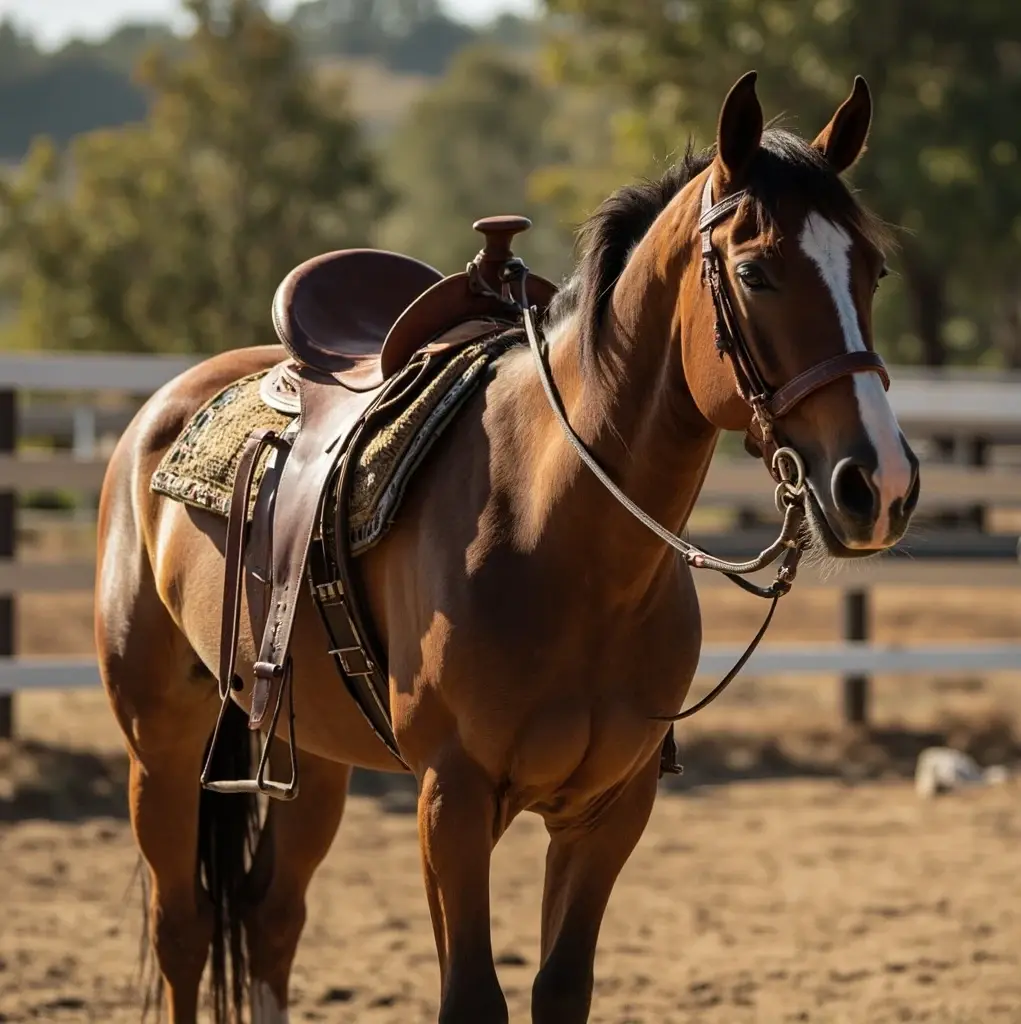
Western saddles might seem intimidating when you first see all the straps, leather pieces, and specialized lingo. When I started, I was just as puzzled—looking at all those parts and wondering if I was even on the right track choosing a saddle for my horse and myself.
If the number of choices has you overwhelmed, you’re in good company. Here, I’m breaking down everything a beginner needs to know: the basics, sizing, what to avoid, and how to confidently choose gear that actually works for your needs.
Here’s a little transparency: Our website contains affiliate links. This means if you click and make a purchase, we may receive a small commission. Don’t worry, there’s no extra cost to you. It’s a simple way you can support our mission to bring you quality content.
What Is a Western Saddle?
A Western saddle is a type of riding saddle created for long hours and handling tough tasks, such as herding cattle. Compared to English saddles, Western ones are larger, have a horn, and provide extra support and security. If you picture the saddles seen in rodeos, trail rides, or Western movies, that’s this style.
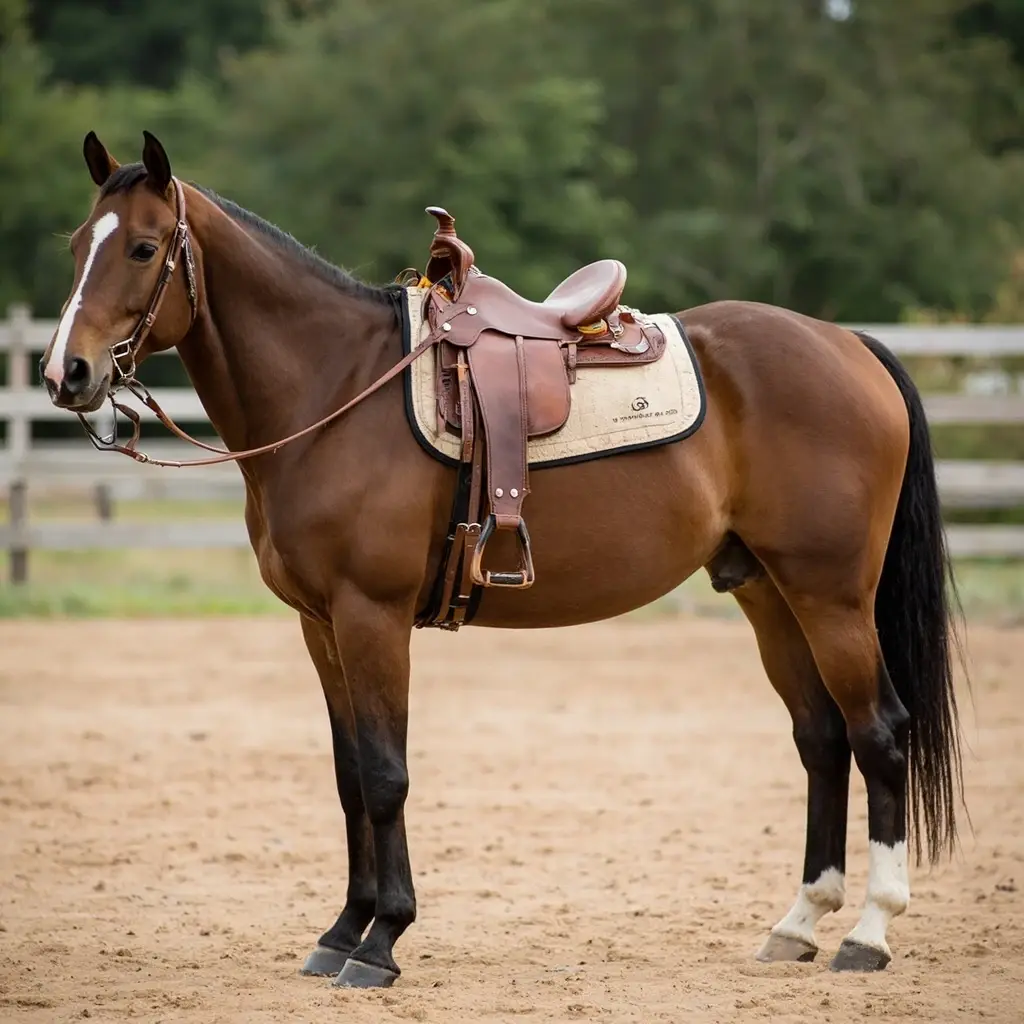
Key Parts of a Western Saddle Explained
- Horn: The knob at the front to hold onto, especially useful for stability or while roping.
- Skirt: The leather panels spread under the seat to protect the horse’s sides from the saddle bars.
- Fenders: These wide leather straps connect the seat to the stirrups, protect your leg, and let the stirrups move.
- Tree: The inner frame, usually wood or synthetic, giving the saddle its shape and structure.
- Rigging: The system of rings and straps that holds the saddle tight to your horse using a cinch.
- Seat: Where you sit—seats might be flat or quite deep, depending on the saddle’s job.
- Cantle: The raised back part of the seat, supporting you and helping to keep you in place.
- Stirrups: Footrests under the fenders, crucial for your balance and safety while riding.
Different Types of Western Saddles (And Who They’re For)
Not all Western saddles work the same. Each type is shaped by its main use, similar to how baseball gloves vary by position. Here are the main types you’ll likely run across as a beginner:
Trail Saddles
Trail saddles put comfort first. Typically lighter, they have padded seats and stirrups for long rides. Their skirts are often shorter for less bulk and easier movement through brush. If you picture hours out on the trail, this style’s a winner.
Barrel Racing Saddles
Barrel saddles are built for speed and tight turns. A deep seat and high cantle keep the rider snug through fast moves. They’re lightweight and allow for close contact, making it easy for horse and rider to move as one.
Roping Saddles
Built tough, roping saddles have a reinforced horn that stands up to the wear and tear of working cattle. Heavier, with a flatter seat for easy movement, these are great for ranch work or if you plan to tackle tough tasks with your horse.
Ranch Saddles
The workhorses of the saddle world, ranch saddles stand up to daily use, with big skirts, heavy duty trees, and sturdy leather. They’re a solid choice for long, active days—mounting, dismounting, and switching up activities often.
All Around and Pleasure Saddles
If you’re just starting out and want to try a mix of trail riding, playdays, or arena work, an allaround saddle is versatile. These offer a blend of comfort, reasonable weight, decent horn strength, and multipurpose design, fitting most casual riders.
How Western Saddle Sizing Works
Sizing can easily throw you for a loop with seat size, tree size, and all the numbers. Getting the right size matters for your comfort, but it also affects your horse’s back and attitude.
Seat Size (Rider Fit)
Measured from the base of the horn to the top of the cantle, seat sizes usually run from 15 to 17 inches for adults. Try a few sizes to check comfort—there should be a little space at both the front and back. If you feel squeezed or find yourself sliding, it’s not the right size for you.
Tree Size (Horse Fit)
Tree size refers to the width at the front of the saddle and how it matches your horse’s back. Here’s the jargon you’ll see:
- Semi QH Bars: A bit narrower, fitting horses with higher withers and slimmer builds.
- Full QH Bars (FQHB): Wider, good for broader, stocky horses with flatter backs.
- Wide or Extra Wide: For especially broad horses, like drafts or some warmblood types.
Why Tree Fit Matters Most
Comfort for your seat is nice, but how the tree sits on your horse matters even more. A saddle that’s too narrow or too wide can create pressure points or even real injury over time. Always focus on the tree fit first; seat size is something you can sometimes tweak with pads, but tree fit has to be right up front. If you’re unsure, measure your horse or check in with a saddle fitter or experienced horse owner.
How to Tell If a Western Saddle Fits Your Horse
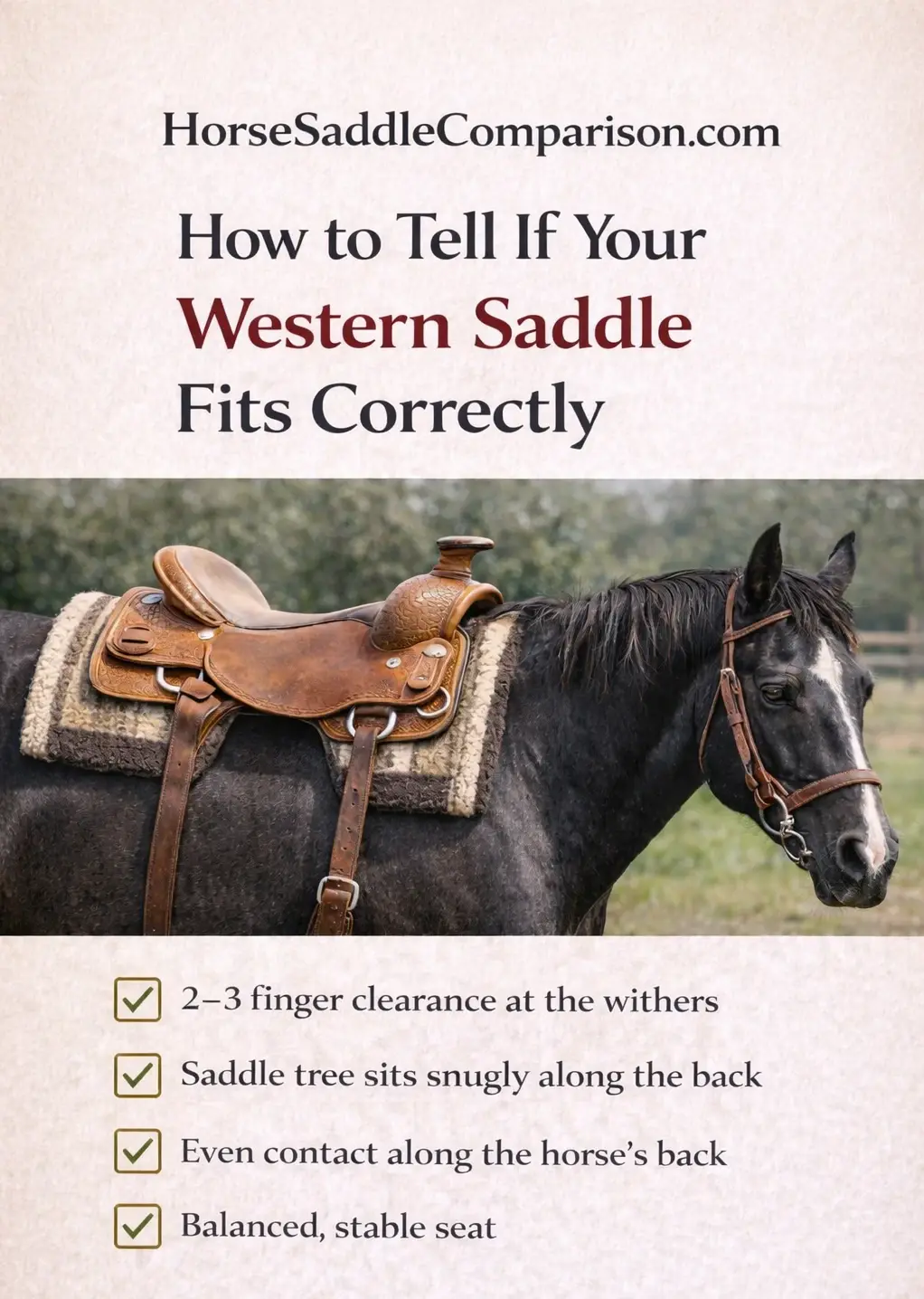
Getting the fit right helps both you and your horse stay happy. Here’s how I spot a good (or bad) fit:
Good Fit Signs
- Pressure is even from front to back with no obvious pressure points.
- No pinching at the withers or shoulders; your hand should easily slide between saddle and horse.
- Withers have 2-3 fingers’ clearance under the gullet after cinching up.
Poor Fit Signs
- White hairs or dry spots after riding—these show the saddle rubs or presses in one spot.
- Sore or swollen back muscles; horse may flinch or move away from your touch.
- Saddle slides or tips, which signals imbalance.
Common Beginner Mistakes When Buying a Western Saddle
- Picking a saddle by looks alone instead of fit and construction.
- Forgetting that tree fit isn’t “one size fits all” for different horses.
- Selecting the cheapest or unknown brand without checking reviews or quality.
- Not considering what type of riding you’ll do (trail, arena, ranch, or a mix).
- Buying online without reading the return policy—getting stuck with a poorly fitting saddle.
How Much Should You Spend on Your First Western Saddle?
Price Range Breakdown
- Below $500: Entry level new saddles or most used ones. Be sure to double-check construction and reviews. It’s excellent for learning, but check used saddles for damage first.
- $500–$1,000: Midrange leather saddles from solid brands or good quality used options. You get more comfort, durability, and likely a better fit.
- Above $1,000: Premium and custom saddles. Ideal if you already know your needs and preferences, but overkill for most beginners.
Should You Buy Used or New?
Used saddles can be high quality and usually cost less. Good brands stay reliable through years of use, and you may get more features for your budget. When buying used, give it a thorough check for tree cracks, very worn leather, or twisted stirrups. New saddles mean warranty, custom fit, and that new-leather feel.
Essential Gear With a Western Saddle
- Saddle pad: Shields your horse’s back and helps improve fit.
- Cinch: The wide strap running under your horse, holding the saddle steady.
- Back cinch: Optional, but extra helpful for stability in roping or on rough terrain.
- Breast collar: Optional, keeps the saddle from sliding back, especially on hills.
- Stirrups: Standard on most saddles, but comfort or grip upgrades are available.
Top Western Saddles for Beginners (Quick Guide)
Here are my favorite beginner-friendly picks. I receive commissions for purchases made through these links, at no extra cost to you.
- Best budget choice: Wintec Western All Rounder (synthetic, lightweight, tough, low priced)
- Best for trails: Circle Y Trail Saddle (trusted, comfortable, great resale value)
- Best beginner barrel saddle: Dakota Barrel Racer Saddle (deep seat, comfortable, fits many horses)
- Best overall for beginners: Billy Cook AllAround Saddle (strong, balanced, versatile for multiple riding styles)
For more beginner picks, check my Best Western Saddles for Beginners roundup.
Final Thoughts: Start Simple and Prioritize Fit
I remind myself that riding should be enjoyable and safe for both you and your horse. There’s no need for the priciest saddle at the start. Focus on a saddle that fits your horse well and keeps you comfortable. Choose a style that matches your dreams—be it trail riding, rodeos, or casual weekends. The right saddle lays the groundwork for many awesome rides to come.
I was just reading your other article on western saddles, and the parts name I was looking for was the horn, which is the part I remember clinging to for dear life when the horse suddenly took off without me expecting it. We always had horses at the farm growing up, but I am ashamed to say I never knew all the names of the saddle parts, so it was interesting to finally find out what all of it means. For instance I have never heard of a cantle, but now I know that it is the part of the saddle at the back part of the seat helping to keep you stable.
I always wondered, how thick should the cinch be without irritating the horse, as I remember some saddles had a thin one that didn’t look to sturdy and other thicker ones?
Hi Michel. Thanks for your comment and question.
That’s such a relatable memory—honestly, a lot of riders have a “grab the horn and hope for the best” moment at some point. And this is why I prefer Western saddles over English saddles. That horn.
And don’t feel bad at all about not knowing the part names—you picked it up exactly right. The cantle really does that quiet job of keeping you more secure in the seat.
As for the cinch, it’s less about how thick it looks and more about fit and material. Most Western cinches are typically around 4–7 inches wide in the center, which helps spread pressure evenly and keep the horse comfortable .
A good rule of thumb:
Wider cinch (or softer materials like mohair/fleece) → better pressure distribution, less rubbing
Too thin or stiff → more likely to pinch or irritate
Proper fit matters most → it should be snug enough to hold the saddle, but not tight or digging in
So those thicker ones you remember? They often are more comfortable—especially for longer rides—but only if they’re the right size and sit in the horse’s natural girth groove.
If you were putting a beginner (or a kid) on a pony, I’d usually lean toward a soft, slightly wider cinch—it just gives a bit more forgiveness and comfort all around. Hope this helps.